




Galvanized Wire Specification and Size Guide
Galvanized wire specifications are mainly defined by wire diameter, zinc coating characteristics, tensile strength, and wire hardness. These factors determine processing performance, corrosion protection requirements, and suitability for applications such as construction binding, fencing, wire mesh, and industrial use.
For procurement, buyers should evaluate the required diameter, coating specification, mechanical properties, and processing method before selecting galvanized wire.
Main Content
Definition
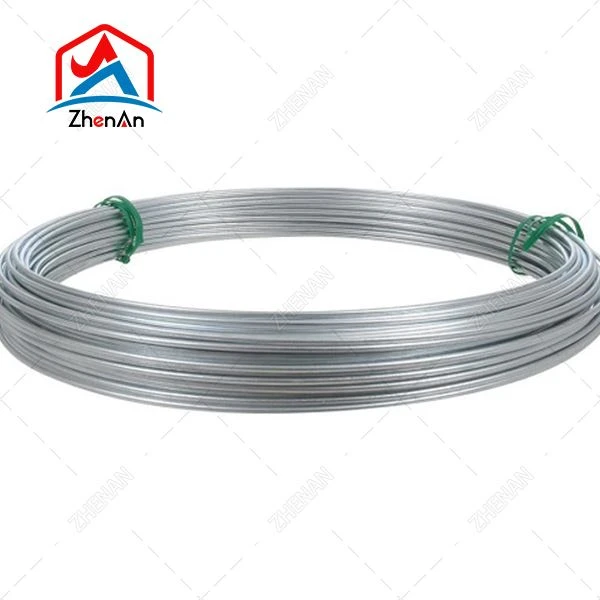
Galvanized wire is iron wire or low carbon steel wire coated with zinc to provide surface protection against corrosion. In industrial purchasing, specification selection usually focuses on the relationship between wire size, zinc coating, strength, and processing requirements.
Different applications require different combinations of flexibility, strength, and surface protection. For example, binding applications often require flexible wire, while fencing and structural applications may require stronger wire with specific mechanical properties.
The specification of galvanized wire should be selected according to application conditions, fabrication method, and customer requirements.
What Specifications Define Galvanized Wire
The main specifications used for galvanized wire evaluation include:
| Specification Item | Description | Importance for Selection |
|---|---|---|
| Wire Diameter | Measurement of wire thickness | Determines handling, strength, and application suitability |
| Zinc Coating | Zinc layer applied on wire surface | Related to corrosion protection requirements |
| Zinc Coating Weight | Amount of zinc coating on wire surface | Used for coating specification evaluation |
| Zinc Coating Thickness | Thickness of zinc layer | Helps define surface protection level |
| Tensile Strength | Resistance of wire under pulling force | Affects load capability and processing |
| Wire Hardness | Soft or hard condition of wire | Determines bending and forming performance |
How Is Wire Diameter Specified
Wire Diameter
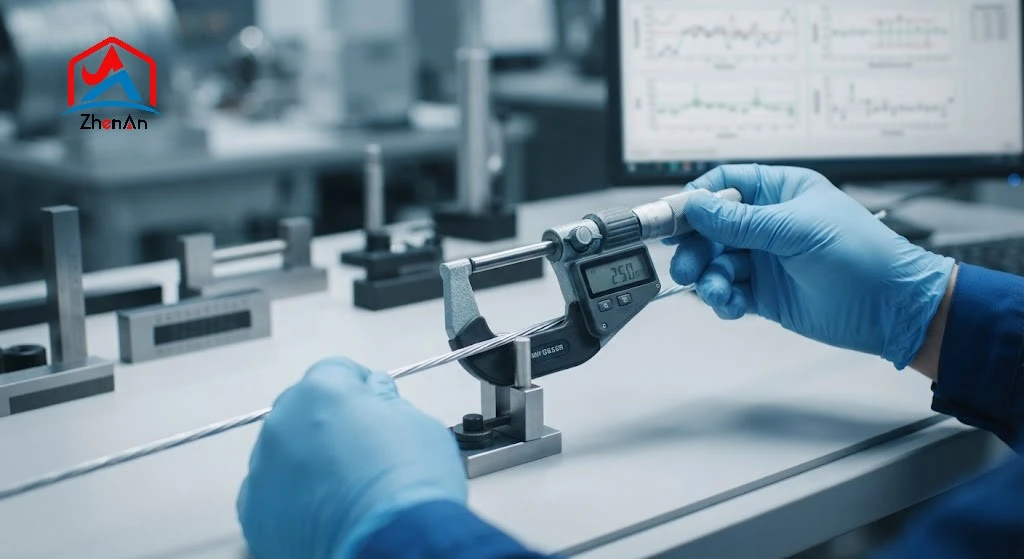
Wire diameter is one of the primary specifications for galvanized wire selection. It directly affects wire strength, flexibility, processing method, and final product performance.
Diameter is normally specified according to customer drawings, application requirements, or purchasing standards.
| Diameter Consideration | Application Influence |
|---|---|
| Smaller diameter wire | Suitable for applications requiring flexibility and easier processing |
| Medium diameter wire | Commonly selected for general industrial applications |
| Larger diameter wire | Used where higher rigidity or strength requirements are needed |
The appropriate galvanized wire diameter depends on the intended application rather than diameter alone.
Diameter Measurement
Galvanized wire diameter can be measured using appropriate measuring tools after coating. Buyers should confirm whether diameter requirements refer to finished galvanized wire size or base wire size before ordering.
Specification confirmation should include:
Required wire diameter
Diameter tolerance
Measurement method
Application requirement
Zinc Coating Specification
Zinc Coating Weight
Zinc coating weight refers to the amount of zinc applied on the wire surface. It is an important parameter when evaluating galvanized wire for outdoor or humid environment applications.
| Zinc Coating Factor | Description |
|---|---|
| Zinc coating weight | Quantity of zinc coating on wire surface |
| Zinc coating amount | Total zinc coverage requirement |
| Zinc coating thickness | Physical thickness of zinc layer |
The required zinc coating specification should be selected according to environmental exposure, service conditions, and application requirements.

Zinc Coating Amount
The zinc coating amount determines the quantity of protective zinc available on the wire surface.
For procurement, buyers should clarify:
Required zinc coating amount
Applicable standard if available
Testing requirements
Application environment
Different applications may require different coating specifications.
Zinc Coating Thickness
Zinc coating thickness describes the thickness of the zinc layer covering the wire surface.
A thicker zinc coating may be required for applications exposed to outdoor conditions or humid environments, while some indoor applications may require different coating requirements.
Selection should consider:
Outdoor or indoor use
Exposure conditions
Expected service requirements
Processing method
How Does Tensile Strength Affect Selection
Tensile Strength
Tensile strength indicates the resistance of galvanized wire against pulling force. It is an important mechanical property for applications requiring structural support or load resistance.
| Tensile Strength Consideration | Selection Purpose |
|---|---|
| Lower strength requirement | Flexible processing and forming applications |
| Medium strength requirement | General industrial applications |
| Higher strength requirement | Applications requiring stronger wire performance |
Buyers should select tensile strength according to application requirements rather than using strength as the only selection factor.
Soft Wire and Hard Wire
Soft Galvanized Wire
Soft galvanized wire is processed to provide better flexibility and easier handling.
Typical application considerations include:
Manual tying
Binding operations
Forming processes
Applications requiring repeated bending
Related product information can be found in Galvanized Annealed Wire for Binding Applications.
Hard Galvanized Wire
Hard galvanized wire provides higher rigidity compared with soft wire and is commonly considered for applications requiring stronger structural support.
Selection factors include:
Required stiffness
Installation method
Structural requirements
Processing conditions
How to Choose Galvanized Wire Specifications
A proper specification selection process should include the following steps:
| Selection Step | Buyer Consideration |
|---|---|
| 1. Define application | Construction, fencing, mesh, agriculture, or industrial use |
| 2. Select wire diameter | Based on processing and strength requirements |
| 3. Confirm zinc coating | According to corrosion protection needs |
| 4. Determine wire condition | Soft wire or hard wire |
| 5. Review quality requirements | Surface condition and inspection requirements |
For complete product information, buyers can also review Galvanized Iron Wire for Construction Fencing and Wire Mesh.
Application Table
| Application | Recommended Specification Considerations |
|---|---|
| Construction Binding | Flexible wire, suitable diameter, soft condition |
| Rebar Tying | Soft galvanized wire with good processing performance |
| Fencing | Suitable diameter, required strength, outdoor coating requirements |
| Wire Mesh | Diameter consistency and surface quality |
| Gabion Mesh | Strength and corrosion protection requirements |
| Agricultural Structures | Outdoor environment suitability and processing needs |
| Industrial Binding | Flexibility and handling requirements |
Selection Guide
When purchasing galvanized wire, consider:
Application Environment
Outdoor, humid, or exposed environments may require careful evaluation of zinc coating specifications.
Processing Method
Manual tying, mesh production, and forming operations may require different wire hardness conditions.
Mechanical Requirements
Strength requirements should match the final application instead of selecting only based on diameter.
Surface Requirements
Buyers should confirm surface quality expectations, coating uniformity, and inspection requirements.
Quality and Inspection
Quality evaluation for galvanized wire commonly includes:
| Inspection Item | Purpose |
|---|---|
| Diameter Inspection | Confirm wire size requirements |
| Zinc Coating Inspection | Verify coating specification |
| Tensile Strength Testing | Evaluate mechanical properties |
| Surface Inspection | Check appearance and coating condition |
| Packaging Inspection | Confirm delivery condition |
Quality requirements should be confirmed according to application standards and customer specifications.
Packaging and Delivery
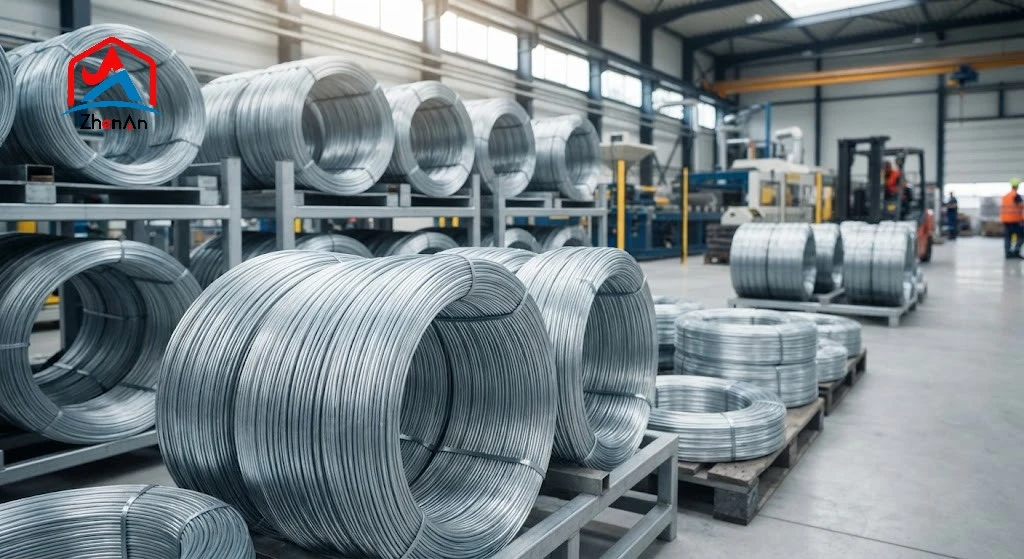
Galvanized wire packaging is selected according to transportation and application requirements.
Common packaging considerations include:
| Packaging Item | Description |
|---|---|
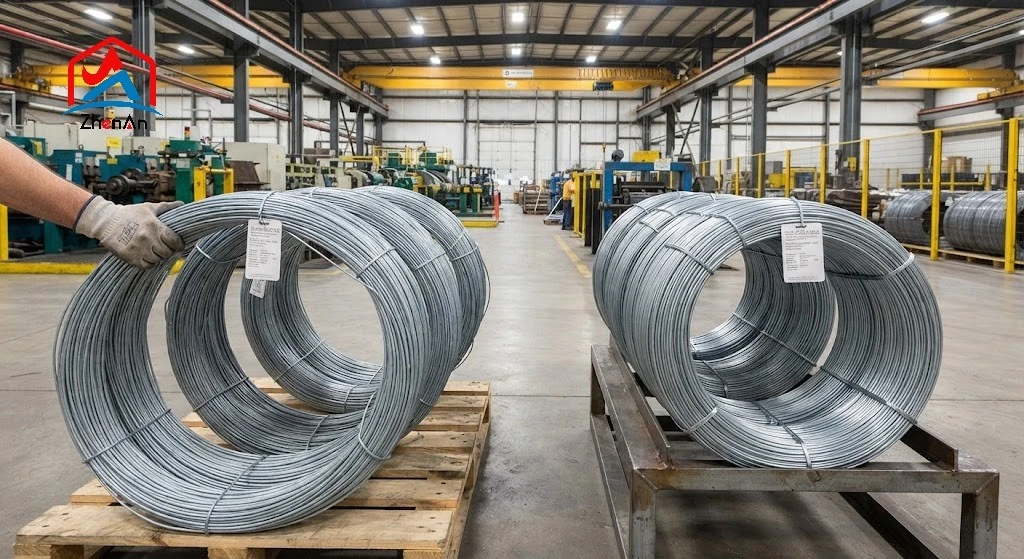
| Coil Packaging | Suitable for continuous processing and industrial handling |
| Bundle Packaging | Used for grouped transportation requirements |
| Label Information | Includes product specifications and order details |
Packaging requirements should be confirmed before shipment.
Buyer Checklist
Before placing an order, buyers should confirm:
☐ Galvanized wire application
☐ Required wire diameter
☐ Zinc coating specification
☐ Zinc coating weight or thickness requirement
☐ Tensile strength requirement
☐ Soft wire or hard wire condition
☐ Surface quality requirements
☐ Packaging method
☐ Inspection requirements
FAQ
How is galvanized wire diameter measured?
Galvanized wire diameter is measured according to the finished wire specification or agreed measurement method. Buyers should confirm diameter requirements before ordering.
What galvanized wire sizes are commonly used?
Galvanized wire sizes depend on application requirements. The suitable diameter should be selected according to processing method, strength needs, and final use.
How is zinc coating measured?
Zinc coating can be evaluated through coating weight, coating amount, or coating thickness according to applicable requirements.
What is zinc coating weight?
Zinc coating weight refers to the amount of zinc applied on the wire surface and is used to evaluate coating specifications.
Does zinc coating thickness affect application?
Zinc coating thickness is one factor considered when selecting galvanized wire for different environments and applications.
How do I choose tensile strength?
Tensile strength should be selected based on application load requirements, processing conditions, and end-use performance.
What is soft galvanized wire?
Soft galvanized wire is a flexible wire type suitable for applications requiring bending, tying, and manual processing.
What is hard galvanized wire?
Hard galvanized wire is a more rigid wire type selected for applications requiring higher stiffness and structural support.

Request a Quote
ZhenAn provides galvanized wire solutions for construction, fencing, wire mesh, agriculture, and industrial applications.
For galvanized wire specification requirements, please contact:
WhatsApp: +86 15518824805
Email: market@zanewmetal.com
Please provide wire diameter, zinc coating requirements, application, packaging requirements, and quantity details for quotation evaluation.
Hot Tags: galvanized wire specification and size guide, China galvanized wire specification and size guide manufacturers, suppliers, factory