


Description of Ferrotitanium
What Is Ferrotitanium Alloy and Why Is It Important?
Ferrotitanium (FeTi) is an iron–titanium alloy widely used in steelmaking as a titanium deoxidizer alloy and grain refiner. It is produced by combining iron and titanium through melting or aluminothermic processes, resulting in a stable alloy used to improve steel cleanliness and mechanical strength.

As a key metallurgical material, ferrotitanium is essential for producing high-quality alloy steels, stainless steels, and specialty steels. It is widely supplied by every major Ferrotitanium supplier and global titanium iron alloy manufacturer China.
What Are the Typical Specifications of Ferrotitanium Alloy?
| Item | Specification |
|---|---|
| Product Name | Ferrotitanium (FeTi alloy) |
| Grades | FeTi30 / FeTi40 / FeTi70 |
| Titanium Content | 20% – 75% |
| Iron Content | Balance |
| Forms | ferro titanium lump / powder / granules / ingot |
| Size | 10–50mm / 50–100mm / customized |
| Density | 4.5–5.0 g/cm³ |
| Application | Steelmaking / deoxidation / alloying |
| Packing | 1MT big bag / steel drum |
How Is Ferrotitanium Alloy Manufactured?
What Is the Aluminothermic Reduction Method?
One of the most widely used methods is aluminothermic reduction, where titanium ores are reduced using aluminum in the presence of iron. This method produces ferrotitanium ingots and blocky material with controlled titanium content.
This process is widely used for producing ferrotitanium Ingot, ferrotitanium Blocky, and FeTi ferro titanium for industrial steelmaking applications.
What Is the Vacuum Melting Method?
Vacuum induction melting (VIM) is used to produce high-purity ferrotitanium alloys. This method ensures low oxygen and nitrogen content, making it suitable for premium steel applications.
It is commonly used to manufacture FeTi70, ferro titanium powder, and high-end ferrotitanium exporter products.
What Is the HDH Blending Method?
In this process, titanium sponge and iron are mechanically blended and then melted or compacted. It is a cost-effective method used for producing standard-grade ferrotitanium such as FeTi30 and FeTi40.
Why Is Ferrotitanium Used in Steelmaking?
Ferrotitanium acts as a powerful titanium deoxidizer alloy, removing oxygen and nitrogen from molten steel. This improves:
steel cleanliness
grain refinement
strength and toughness
corrosion resistance
Because titanium forms stable compounds with oxygen and nitrogen, it significantly enhances final steel quality.
This is why demand for ferrotitanium price per ton remains stable in global metallurgy markets.
Where Is Ferrotitanium Alloy Used?
Ferrotitanium is widely used in:
stainless steel production
low-alloy steel manufacturing
aerospace steel components
welding electrodes
high-strength structural steel
foundry and casting industries
It is one of the most important titanium-based additives in modern metallurgy.
Ferrotitanium Grade Comparison
FeTi70 vs FeTi30: What Is the Difference?
FeTi70 contains higher titanium content, making it ideal for high-end steel production requiring strong deoxidation and grain refinement.
FeTi30 is more economical and used in general steelmaking where lower titanium content is sufficient.
Ferrotitanium Lump vs Powder: Which Is Better?
Ferro titanium lump is widely used in steel furnaces due to controlled melting behavior and stable addition.
Ferro titanium powder is used in specialized applications such as welding materials and precision metallurgy.
Ferrotitanium Ingot vs Granules
ferrotitanium Ingot is used for bulk industrial production with slower melting characteristics.
ferrotitanium Granules offer faster dissolution and are suitable for precise alloy control in modern steel plants.
What Are the Main Advantages of Ferrotitanium?
improves steel strength and hardness
enhances grain refinement
acts as titanium deoxidizer alloy
reduces impurities in molten steel
stable metallurgical performance
suitable for bulk industrial supply
It is a key alloy in modern steel refinement systems.
FAQ
What is ferrotitanium used for?
It is used as a titanium deoxidizer alloy in steelmaking and metallurgy.
What is the difference between FeTi30 and FeTi70?
FeTi70 has higher titanium content and is used for high-grade steel production.
What forms of ferrotitanium are available?
ferro titanium lump, granules, powder, ingot, and blocky forms.
What is ferrotitanium price per ton?
It depends on titanium content and market conditions; FeTi70 is more expensive.
Is ferrotitanium used in stainless steel?
Yes, it improves corrosion resistance and steel structure.
Who is the main supplier of ferrotitanium?
A professional Ferrotitanium supplier or titanium iron alloy manufacturer China.
Looking for a Reliable Ferrotitanium Exporter?
We are a professional ferrotitanium exporter providing stable supply for global steel industries:
FeTi30 / FeTi70 supplier availability
controlled ferro titanium price per kg
bulk supply of ferro titanium lump / powder
strict quality inspection before shipment
stable global logistics support
📩 Email: market@zanewmetal.com
📱 WhatsApp: +86 15518824805
Contact us today for competitive ferrotitanium price and long-term cooperation.
Third-party inspection available
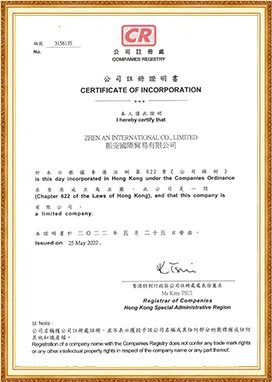
ZhenAn Metallurgy & New Materials Certificates



Why Choose ZhenAn Metallurgy as Your Long-Term Ferrotitanium Alloy Partner?
30+ Years of Ferroalloy Expertise
ZhenAn Metallurgy has over 30 years of experience in ferroalloy production and export, supplying stable-quality ferrotitanium alloy for global steelmaking and foundry industries.
Customized Ferrotitanium Grades
We provide customized Ti and Fe ratios (such as Ti 30–70%), along with controlled impurity levels, particle size (lumps, granules, powders), and tailored packaging solutions based on customer requirements.
Stable Supply & Reliable Delivery
With strong production capacity and sufficient inventory, we ensure continuous supply of ferrotitanium alloy and timely delivery for both regular orders and long-term contracts.
Free Samples for Evaluation
Free ferrotitanium samples are available for testing deoxidation efficiency, nitrogen control performance, and alloying behavior in steel production before bulk purchasing.
Strict Quality Control System
Each batch is strictly tested for titanium content, iron balance, and impurity levels (C, S, P, Si). Third-party inspections such as SGS and BV are fully supported.
Strong Manufacturing Capability
Our production facilities are equipped with advanced smelting, crushing, and screening systems, supported by professional laboratories and technical teams to ensure stable quality and consistent metallurgical performance.
Hot Tags: methods of ferrotitanium alloy manufacture, China methods of ferrotitanium alloy manufacture manufacturers, suppliers, factory, Ferrotitanium 40, Titanium Powder, Ferrotitanium 70, Ferrotitanium