In modern industrial metallurgy, managing the exact chemical composition of FeSi70 serves as a key factor for achieving high-yield steel deoxidation and consistent microstructural alloying. Representing a critical balance between performance and raw material economy, the 70% ferrosilicon grade provides an efficient way to introduce silicon without adding excessive tramp elements to the ladle furnace. As an established global industrial silicon metal manufacturer export leader and ferroalloy specialist, ZhenAn delivers this technical evaluation of FeSi70, outlining its chemical makeup, element tolerance levels, and industrial applications based on the latest 2026 manufacturing standards. From heavy structural steel mills using bulk metallurgical ferrosilicon granules to precision foundries requiring a consistent FeSi alloy composition, this guide provides structured data for technical purchasing decisions.
For custom element ratios, verified third-party testing reports, or urgent bulk freight quotes, please contact our international supply coordinators:
Email: market@zanewmetal.com
WhatsApp/WeChat: +86 15518824805

What Is the Chemical Composition of FeSi70 and How Is It Defined?
The standard metallurgical alloy known as FeSi70 is a high-density, crystalline binary ferroalloy characterized by a silver-gray metallic appearance. It is explicitly engineered to deliver a nominal elemental silicon concentration of 70%, with the remaining balance composed primarily of high-purity iron and managed quantities of trace impurities. Classified under global customs systems within HS Code 7202.2100, its primary role is to serve as an economical, fast-dissolving steelmaking deoxidizer FeSi.
Unlike standard high-grade ferrosilicon 75 specification (FeSi 75%) matrices or lower-tier FeSi 72 grade supplier profiles, FeSi70 is carefully formulated to offer an optimal silicon-to-iron ratio. This specific composition helps reduce bulk material costs while providing the necessary exothermic heat required to melt effectively within the liquid steel bath during ladle processing operations.
What Is the Production Process for Achieving a Consistent FeSi70 Chemical Composition?
Sourcing high-uniformity FeSi70 alloys requires strict control over raw material choices and power distribution parameters within a submerged electrical arc furnace:
- Charge Proportioning and Balance: Selected silica quartz blocks (SiO₂ > 99.0%) are meticulously paired with low-purity iron scrap or mill scale, and carbonaceous reductants like semi-coke or charcoal. Purchasing managers often specify low Al ferrosilicon inputs to keep downstream aluminum inclusions to a minimum.
- Electrothermal Submerged Smelting: The blended material is continuously fed into a multi-megawatt furnace. High-current carbon electrodes generate intense thermal energy reaching 1800°C–1950°C, breaking the chemical bonds of the silica to produce liquid iron and silicon:
SiO₂ + 2C + Fe → FeSi + 2CO↑ - Ladle Oxidation Refining: The molten metal is tapped into a preheated ladle container. Oxygen lances or synthetic fluxes are used to refine and adjust aluminum and calcium levels down to target specification windows before casting.
- Cooling, Crushing, and Sizing: To prevent elemental segregation during freezing, the liquid alloy is poured into shallow casting beds. After cooling, it is crushed into a standard lump ferrosilicon size 10-50mm, 1–3mm granulated FeSi alloy fractions, or a fine FeSi powder 100 mesh configuration depending on the steel mill's charging system.

How Are the Chemical Specifications and Element Ratios of FeSi70 Analyzed?
Industrial buying groups organize and evaluate the chemical composition of FeSi70 based on the exact percentages of its primary components and trace elements:
Primary Silicon Level (Si Range): Typically ranges between 68.0% and 72.0%. This specific concentration provides predictable silicon additions for adjusting chemistry in structural steel and casting operations.
Primary Iron Balance (Fe Content): Comprises the remaining 26.0% to 30.0% of the alloy matrix, acting as a heavy carrier that helps the alloy sink through the slag layer into the liquid steel.
Aluminum Content Control (Al Threshold): Generally limited to ≤1.5% or ≤2.0% for standard applications, but can be restricted below 0.10% to produce high purity ferrosilicon alloy variants for high-cleanliness steel production.
Trace Tramp Elements (P, S, C): Kept under strict maximum tolerances (e.g., P ≤0.04%, S ≤0.02%, C ≤0.15%) to prevent these elements from causing embrittlement or structural defects in the final steel products.
What Are the Standard Technical Specifications for the Chemical Composition of FeSi70?
The technical index below outlines the exact chemical composition requirements and typical tolerance limits for FeSi70 compared to adjacent ferrosilicon grades, fully compliant with 2026 global inspection protocols:
| Commercial Grade | Si Range (%) | Fe Target (%) | Al Max (%) | P Max (%) | S Max (%) | C Max (%) |
|---|---|---|---|---|---|---|
| FeSi70 Standard | 68.0% – 72.0% | 26.0% – 30.0% | 1.50% | 0.040% | 0.020% | 0.15% |
| FeSi70 Low-Al | 69.0% – 72.0% | 26.5% – 29.5% | 0.50% | 0.035% | 0.015% | 0.08% |
| FeSi72 | 72.0% – 75.0% | 23.0% – 26.0% | 1.50% | 0.040% | 0.020% | 0.15% |
| FeSi75 | 74.0% – 80.0% | 18.0% – 22.0% | 2.00% | 0.035% | 0.020% | 0.10% |

Beyond its use in steelmaking, FeSi70 functions as a specialized chemical reducing agent in the extraction of non-ferrous metals. In the Pidgeon process for manufacturing metallic magnesium, ground ferrosilicon powders are mixed with calcined dolomite blocks. Under high vacuum and extreme temperature cycles, the silicon within the FeSi70 matrix reduces magnesium oxide, generating pure magnesium vapor that is crystallized into high-grade engineering ingots.
Additionally, specialized low carbon FeSi alloy configurations are utilized as dense media separation (DMS) agents within mineral processing circuits. Milled into fine particle distributions, the material's magnetic characteristics and specific gravity allow chemical technicians to formulate stable suspensions for separating dense ores from waste rock via heavy media cyclones.
What Are the Key Technical Roles of FeSi70 in Metallurgical and Foundry Frameworks?
Within converter steelmaking and ladle metallurgy, FeSi70 alters bath conditions through two main metallurgical actions:
- Melt Deoxidation: As a strong deoxidizing agent, the elemental silicon dissolves into the liquid steel and reacts with dissolved oxygen. This forms silicon dioxide (SiO₂) particles that float into the surface slag layer, preventing subsurface gas blowholes and improving the overall cleanliness of the steel matrix.
- Graphitization Inoculation: When utilized as a ferrosilicon for casting additive in gray and ductile iron iron foundries, it provides necessary nucleation sites for graphite crystallization during freezing. This graphitizing effect prevents the formation of brittle iron carbides, improving the machinability and tensile toughness of finished castings.
How Do FeSi70 and High-Grade FeSi75 Compare Analytically?
Selecting between FeSi70 and FeSi75 requires evaluating chemical efficiency and process thermodynamics:
- Silicon Mass Delivery: FeSi75 provides a higher concentration of silicon per unit weight, which reduces the total mass of cold material added to the ladle. This minimizes temperature drops in the liquid steel bath during short processing windows.
- Procurement Cost Efficiency: FeSi70 contains more iron, making it more economical to produce and purchase. For steel mills with adequate ladle heating capacity, utilizing a stable composition FeSi 70 grade provides a cost-effective solution for routine deoxidation without sacrificing final product quality.

Ferrosilicon FeSi70 vs Silicon Metal and FeSiZr: What Are Their Strategic Differences?
Procurement departments should clearly distinguish standard ferrosilicon from related options like pure silicon metal and ferrosilicon zirconium (FeSiZr):
Elemental Makeup: Pure silicon metal is a non-ferrous single-substance commodity (Si ≥98.5%) designed to prevent iron additions. FeSi70 is an iron-silicon binary ferroalloy containing 26%–30% iron. Ferrosilicon Zirconium is a specialized multi-component inoculant alloy containing 2%–6% zirconium.
Primary Industrial Applications: Pure silicon metal is required for non-ferrous aluminum alloy casting and chemical silicone synthesis. FeSi70 functions primarily as a mass-volume deoxidizer in carbon steel production. Ferrosilicon Zirconium is utilized as a ladle inoculant in gray and ductile iron foundries to refine graphite flake morphology and eliminate hard chilling defects along thin sections.
one-stop solution
professional team
high quality
The Strategic Sourcing Guide for Buying FeSi70 Ferrosilicon
To ensure high silicon recovery rates, safeguard steel cleanliness, and maintain consistent production, ZhenAn's procurement specialists recommend implementing the following quality controls:
- Enforce Representative Core Sampling Protocols: Do not sample only from the top layer of a delivery bag. Implement systematic sampling procedures according to ISO 4552 to draw core samples across the entire shipment, ensuring the core chemistry matches the surface analysis and checking for potential alloy segregation.
- Verify Chemical Compliance with Modern Testing: Mandate chemical testing using X-ray Fluorescence (XRF) or Inductively Coupled Plasma Optical Emission Spectroscopy (ICP-OES) to accurately map trace impurities like aluminum, phosphorus, and sulfur before authorizing final port clearance.
- Match Size Distribution to Your Charging Equipment: When ordering from a ferrosilicon supplier, select standard 10–50mm lumps for bulk furnace additions to minimize oxidation burn-off loss on the slag surface, or choose uniform granules for continuous injection lines.
Detailed FAQ: Critical Quality Insights on the Chemical Composition of FeSi70
Q1: What is the typical chemical composition of FeSi70 ferrosilicon?
A1: The typical chemical composition of standard FeSi70 ferrosilicon is formulated to deliver a nominal silicon concentration between 68.0% and 72.0%. The primary remaining balance is composed of high-purity metallic iron, which typically accounts for 26.0% to 30.0% of the alloy mass. Trace elements are carefully managed and restricted to low maximum levels, generally including Aluminum ≤1.50%, Phosphorus ≤0.040%, Sulfur ≤0.020%, and Carbon ≤0.15%. This specific balance ensures the material functions efficiently as an additive for steel deoxidation and chemical reduction processes.
Q2: What are the standard silicon, iron, and impurity levels in FeSi70?
A2: Under international quality standards, standard FeSi70 must maintain its primary silicon level within a strict 68%–72% window. The iron balance is maintained between 26% and 30% to provide the necessary density for the alloy to sink through surface furnace slag. Impurity levels are restricted by strict maximum caps rather than target ranges; for example, manganese is restricted to ≤0.50%, chromium is kept below ≤0.50%, and trace elements like phosphorus and sulfur are held to very low levels to prevent any negative impact on the mechanical properties of the finished steel.
Q3: What is the typical aluminum content in FeSi70 ferrosilicon?
A3: In standard commercial FeSi70 shipments, the typical aluminum content is limited to a maximum threshold of 1.50% or 2.00%. However, for specialized clean steel applications, manufacturers produce low-aluminum FeSi70 variants through active ladle refining techniques. These specialty grades restrict aluminum to a maximum of 0.50%, 0.20%, or 0.10%. This strict control helps prevent the formation of brittle alumina (Al₂O₃) inclusion clusters, which can clog continuous casting nozzles or cause surface defects in high-tensile steel products.
Q4: How do carbon, sulfur, and phosphorus levels affect FeSi70 quality?
A4: Carbon, sulfur, and phosphorus levels directly impact the quality of FeSi70 because these elements can introduce defects into the steel bath if not properly controlled. High carbon levels can disrupt the chemistry of ultra-low carbon steel grades. Excessive phosphorus can cause cold shortness and brittleness along grain boundaries, while elevated sulfur levels can form low-melting sulfides that lead to hot shortness and cracking during hot rolling. Maintaining these trace elements below standard maximum limits is essential for ensuring high-performance metallurgy.
Q5: Why is chemical composition control important for FeSi70 steelmaking applications?
A5: Strict chemical composition control is essential because steelmaking processes depend on predictable chemical reactions and thermal balances. When calculating alloy additions for a ladle furnace, metallurgists rely on a consistent silicon percentage to achieve target deoxidation levels and chemical specifications. If the silicon content varies outside agreed limits, it can result in incomplete deoxidation, causing subsurface blowhole defects, or lead to unpredictable exothermic temperature shifts that disrupt continuous casting schedules.
Q6: How does FeSi70 composition compare with other ferrosilicon grades?
A6: FeSi70 occupies a mid-tier position within the standard ferrosilicon grading system. Compared to standard FeSi72 (72.0%–75.0% Si) or high-grade FeSi75 (74.0%–80.0% Si), FeSi70 contains more iron and less silicon. This makes it a more cost-effective option for routine deoxidation in standard carbon steel production. While it provides slightly less exothermic heat during dissolution than FeSi75, it delivers reliable performance and excellent value for mills with adequate ladle heating capacity.
Q7: What testing methods are used to verify FeSi70 chemical composition?
A7: Modern laboratories verify the chemical composition of FeSi70 using highly accurate analytical instruments. X-ray Fluorescence (XRF) spectrometry is widely used for rapid, non-destructive mapping of primary silicon, iron, and macro-impurities. For ultra-trace tracking of low-level elements like phosphorus, sulfur, and boron, technicians utilize Inductively Coupled Plasma Optical Emission Spectroscopy (ICP-OES) or carbon-sulfur combustion analyzers. These advanced testing methods provide accurate verification that every batch matches contract specifications.
Q8: How do buyers evaluate FeSi70 quality based on composition analysis?
A8: Buyers evaluate FeSi70 quality by reviewing three main aspects of the chemical analysis report:
1. Silicon Content Consistency: Checking that the silicon level falls within the specified contract window (e.g., 68%–72%) to ensure predictable alloy additions and deoxidation performance.
2. Trace Impurity Compliance: Verifying that elements like aluminum, phosphorus, and sulfur stay safely below specified maximum caps to safeguard steel cleanliness.
3. Sizing and Cleanliness: Working with a reliable supplier to ensure the material is free from visible slag inclusions or fine dust contamination, which can cause material handling issues or reduce silicon recovery rates during melting.
Visit https://www.metal-alloy.com/ to learn more about the product. If you would like to learn more about the product price or are interested in purchasing, please email market@zanewmetal.com. We will get back to you as soon as we see your message.
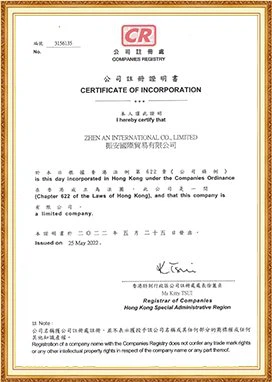
ZhenAn Metallurgy & New Materials Certificates