


Difference Between Silicon Metal and Ferrosilicon
Introduction
Silicon metal and ferrosilicon are two essential materials in the metallurgical and chemical industries. Although both contain silicon, they differ significantly in composition, applications, and performance. Understanding these differences helps steelmakers, aluminum producers, and chemical manufacturers select the right material for their processes.
1. Composition Comparison
| Property | Silicon Metal | Ferrosilicon |
|---|---|---|
| Silicon Content | 98–99.9% | 15–90% (depending on grade) |
| Iron Content | Minimal | High (primary component after silicon) |
| Other Elements | Low impurities (Al, Ca, Mg) | Varies depending on alloy grade |
Key Point: Silicon metal has higher purity and fewer impurities, while ferrosilicon is an iron-silicon alloy.
2. Main Applications
Silicon Metal
Steelmaking: Acts as a deoxidizer and alloying agent.
Aluminum Alloys: Improves strength and wear resistance.
Chemical Industry: Raw material for silicones, silicates, and silicon-based chemicals.
Electronics & Solar: High-purity silicon for wafers and photovoltaic cells.
Ferrosilicon
Steel Deoxidizer: Removes oxygen and enhances mechanical properties.
Alloying Agent: Adds silicon to steel and cast iron.
Magnesium Production: Used in Mg–Si alloys.
Foundry Applications: Improves fluidity and reduces shrinkage in cast iron.
3. Differences in Performance and Cost
| Aspect | Silicon Metal | Ferrosilicon |
|---|---|---|
| Purity | Very high (98–99.9%) | Moderate (15–90%) |
| Cost | Higher | Lower (per ton) |
| Suitability | Electronics, chemicals, high-quality alloys | Steelmaking, cast iron, general alloying |
| Melting Behavior | Pure silicon, precise melting | Alloyed with iron, higher melting temperature |
Summary: Silicon metal is preferred where high purity and specific chemical properties are required, whereas ferrosilicon is ideal for cost-effective deoxidation and alloying in steel and cast iron production.
4. Frequently Asked Questions (FAQ)
Q1: Can silicon metal replace ferrosilicon in steelmaking?
A: Yes, in certain applications silicon metal can act as a deoxidizer, but cost and process requirements should be considered. Ferrosilicon remains more economical for bulk steel production.
Q2: What industries use silicon metal versus ferrosilicon?
A: Silicon metal is mainly used in high-tech industries, aluminum alloys, chemical manufacturing, and electronics. Ferrosilicon is widely used in steelmaking, cast iron foundries, and alloy production.
Q3: Which has higher silicon content?
A: Silicon metal has significantly higher silicon content (up to 99.9%) compared to ferrosilicon (15–90%).
Q4: Is ferrosilicon suitable for chemical or electronics applications?
A: No, ferrosilicon contains high iron content and impurities, making it unsuitable for applications that require high-purity silicon.
Q5: How do the costs compare?
A: Silicon metal is more expensive due to higher purity and production complexity, whereas ferrosilicon is cheaper and preferred for large-scale steelmaking.
5. Why Choose the Right Silicon Material?
Selecting the correct silicon material ensures:
Optimal performance in steel and aluminum alloys
High-quality end products for chemical and electronics applications
Cost efficiency in bulk production
For reliable supply of both industrial and high-purity silicon materials, partnering with a trusted supplier ensures technical compliance, consistent quality, and competitive pricing.
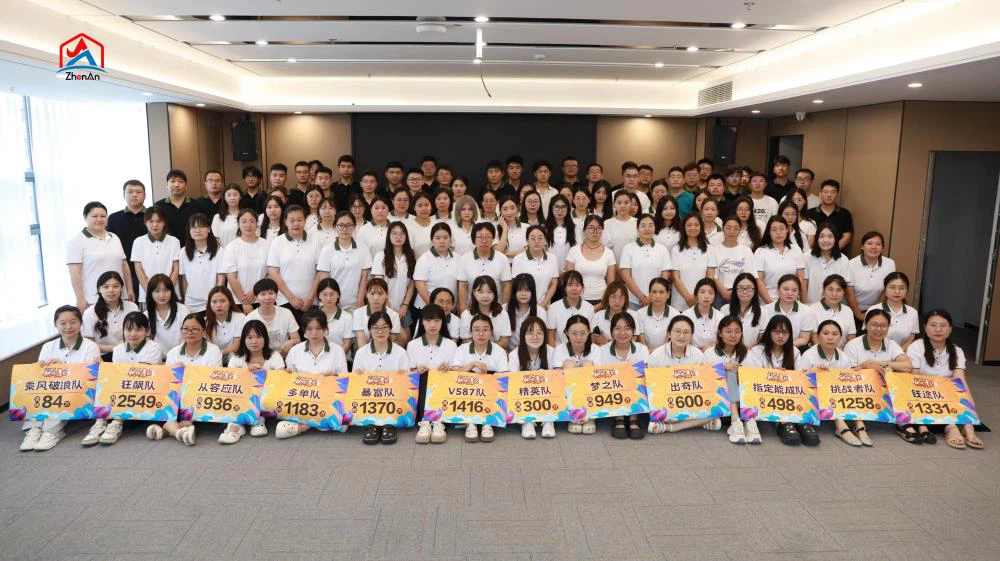
Why Choose ZhenAn
Consistent Quality – Strict production control and reliable testing ensure stable chemical composition and performance in every shipment.
Key Metallurgical Products – Silicon Carbide, Ferro Vanadium, Flake Vanadium Pentoxide, Metallic Silicon, Silicon Powder, Electrolytic Manganese Flakes, and Ferrosilicon.
Flexible Specifications – Particle size, purity, and packaging can be adjusted to meet different metallurgical and industrial requirements.
Reliable Export Partner – Experienced in international trade with professional handling of inspection, documentation, and logistics across global markets.
Stable Supply Chain – Long-term cooperation with qualified manufacturers ensures dependable production and on-time delivery.
Efficient Communication – Clear specifications, quick quotations, and responsive technical support for procurement teams.
Competitive Value – Practical balance between product quality, price, and performance for long-term cooperation.
Contact: market@zanewmetal.com
one-stop solution
professional team
high quality