Can Silicon Carbon Alloy Replace Ferrosilicon in US Structural Steel Alloying Practice?
Yes-silicon carbon alloy (Si-C alloy) is increasingly used in US structural steel production as a partial substitution of FeSi (ferrosilicon), especially in Electric Arc Furnace (EAF)-based mills producing HSLA and construction-grade steels.
However, it is not a full replacement in all cases. Instead, it functions as a hybrid alloying element for molten steel, supporting both silicon-based deoxidation and carbon-related reaction control.
The substitution is driven by:
cost optimization in alloying
improved alloy yield in furnace
demand for reduced oxygen and inclusions in structural steels
What Are the Typical Silicon Carbon Alloy Specifications Used in US Steel Plants?
| Parameter | Si35 Grade | 45% Silicon Carbon Alloy | Si55 High Grade |
|---|---|---|---|
| Silicon Content | ~35% | ~45% | ~55% |
| Carbon Content | 10–20% | 10–25% | 10–30% |
| Form | 10–60 mm lumps | Crushed / lumps | Controlled metallurgical lumps |
| Application | Basic structural steel | EAF/HSLA steelmaking | High-performance steel refining |
| Reaction Stability | Medium | High | Very high |
| Impurity Level | Medium | Low | Ultra-low |
Why Is Ferrosilicon Still Widely Used in US Structural Steelmaking?
1. Stable Si + O Reaction in Molten Steel
Ferrosilicon provides:
predictable Si + O reaction in molten steel
fast and strong deoxidation performance
well-established metallurgical behavior
2. Established Industrial Practice
US steel plants rely on:
long-term process standardization
proven alloying protocols
conservative metallurgy systems
3. Tight Chemistry Control Requirements
Structural steel production requires:
consistent silicon levels
controlled inclusion morphology
stable mechanical properties
How Does Silicon Carbon Alloy Enable Partial Substitution of FeSi?
1. Dual Si-C Reaction Mechanism
Silicon carbon alloy introduces a dual Si-C reaction mechanism, enabling:
silicon-driven deoxidation
carbon-assisted reaction balance
This allows partial replacement of ferrosilicon in many EAF routes.
2. Improved Alloy Yield in Furnace
Compared to FeSi-only systems:
better silicon recovery efficiency
reduced oxidation loss during melting
improved alloy utilization rate
3. Reduced Oxygen and Inclusion Formation
Si-C alloy contributes to:
more stable oxygen control
reduced oxide inclusion formation
improved steel cleanliness in HSLA grades
4. Cost Optimization in Alloying
US mills benefit from:
lower total alloy consumption per ton steel
reduced dependency on high-cost FeSi
improved process economics in large-scale EAF operations
How Does Si-C Alloy Improve Steel Microstructure?
1. Microstructure Refinement
Si-C alloy supports:
finer grain structure formation
improved phase transformation behavior
enhanced HSLA mechanical performance
2. Improved Fluidity and Nucleation
During solidification:
better nucleation uniformity
improved molten steel flow behavior
reduced segregation defects
3. Alloy Distribution Stability
Si-C alloy ensures:
consistent furnace reaction
stable element distribution in molten steel
reduced composition fluctuations between heats
What Are the Key Silicon Carbon Alloy Forms Used in US Steel Plants?
silicon carbon alloy supplier industrial grade
high carbon silicon Si-C alloy
SiC alloy for steelmaking
Si-C alloy for steel plant
metallurgical SiC alloy
45% silicon carbon alloy
Si35 Si-C alloy grade
Si55 SiC alloy steelmaking
high silicon Si-C alloy
steelmaking alloy size 10–60mm
10–50mm Si-C lumps
crushed Si-C material
silicon carbon alloy powder
low impurity Si-C alloy
How Do Different Si-C Grades Compare to Ferrosilicon?
Ferrosilicon vs Si35 Si-C Alloy
FeSi: strong deoxidizer, but higher cost dependence
Si35: partial substitution potential, moderate stability
Si35 used in basic structural steel applications
Ferrosilicon vs 45% Si-C Alloy
FeSi: single-function deoxidation material
45% Si-C: dual-function system (Si + C)
45% Si-C provides better cost-performance balance
Ferrosilicon vs Si55 High Grade Alloy
FeSi: conventional stable performance
Si55 Si-C: higher efficiency, stronger substitution capability
Si55 preferred in HSLA steel production systems
Why Is Partial Replacement of FeSi Increasing in the US?
US steelmakers are driven by:
rising alloy cost pressure
EAF-based production expansion
demand for HSLA steel consistency
stricter inclusion and cleanliness standards
Therefore:
Si-C alloy is not replacing FeSi completely, but enabling system-level partial substitution in modern alloying practice
FAQ: What Do Steel Engineers Commonly Ask?
1. Can Si-C fully replace ferrosilicon in US steel plants?
No, but it can partially replace it depending on steel grade requirements.
2. What is the main advantage of Si-C alloy?
It provides both silicon deoxidation and carbon contribution in one material.
3. Which grade is most widely used in structural steel?
45% Si-C alloy is the most balanced and widely adopted.
4. Does Si-C improve steel cleanliness?
Yes, it reduces oxygen-related inclusions and improves melt stability.
5. Why is alloy yield important in EAF systems?
Because higher yield reduces cost per ton and improves process efficiency.
6. Is Si-C suitable for HSLA steel production?
Yes, especially Si45 and Si55 grades for high-performance steels.
What Is the Industry Direction in US Alloying Practice?
US structural steel production is increasingly moving toward:
partial substitution of ferrosilicon with Si-C alloy
dual-function alloying systems (Si + C integration)
improved furnace reaction consistency
cost optimization in alloying operations
enhanced HSLA steel microstructure control
The clear trend is: silicon carbon alloy is becoming a strategic partial replacement for ferrosilicon in modern US EAF structural steelmaking.

Where to Source Stable Silicon Carbon Alloy for Steel Plants?
We supply metallurgical-grade silicon carbon alloy for steel plant applications, designed for EAF structural steel and HSLA production with stable dual-function reaction performance, controlled composition, and consistent furnace behavior.
📧 Email: market@zanewmetal.com
📱 WhatsApp: +86 15518824805
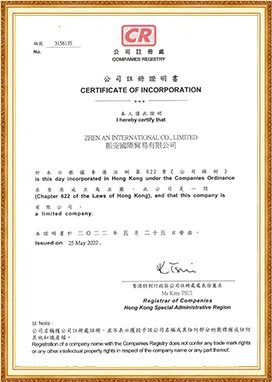
ZhenAn Metallurgy & New Materials Certificates