


Silicon Metal vs Metallurgical Grade Silicon
Introduction
Silicon is a critical material in steelmaking, aluminum production, chemical industries, and electronics. Two commonly referenced types are Silicon Metal and Metallurgical Grade Silicon (MG-Si). While they are related, they differ in purity, applications, and production methods. Understanding these differences is essential for selecting the right silicon for industrial use.
1. Purity and Composition
| Property | Silicon Metal | Metallurgical Grade Silicon |
|---|---|---|
| Silicon Content | 98–99.9% | 98–99% |
| Impurities | Very low (Al, Ca, Fe, Mg) | Slightly higher, depends on feedstock |
| Typical Form | Granules, lumps, powder | Lumps, granules |
| Production Method | Electric arc furnace using high-purity quartz | Reduction of quartz in electric arc furnace; less refined |
Key Point: Silicon metal generally has slightly higher purity than metallurgical grade silicon, making it suitable for chemical, electronics, and aluminum alloy applications, while MG-Si is mainly used in ferrosilicon and silicon alloys.
2. Main Applications
Silicon Metal
Aluminum Alloys: Enhances strength, corrosion resistance, and wear resistance.
Chemical Industry: Raw material for silicones, silicates, and silicon-based chemicals.
Electronics & Solar: High-purity silicon for wafers and photovoltaic cells.
Specialty Steel Production: Acts as a precise deoxidizer or alloying agent.
Metallurgical Grade Silicon
Ferrosilicon Production: Main raw material for producing ferrosilicon alloys.
Silicon Carbide: Used for refractory materials and abrasives.
Steelmaking Deoxidation: Removes oxygen in steelmaking but less precise than high-purity silicon metal.
Magnesium Production: Raw material for Mg–Si alloys.
3. Differences in Performance and Cost
| Aspect | Silicon Metal | Metallurgical Grade Silicon |
|---|---|---|
| Purity | Higher (98–99.9%) | Moderate (98–99%) |
| Cost | Higher | Lower |
| Applications | Chemical, electronics, aluminum, specialty steel | Steelmaking, ferrosilicon, silicon carbide |
| Suitability | High-purity or precision processes | Bulk industrial processes |
| Market Availability | Specialized supply | Widely available |
Summary: Silicon metal is more suitable for applications requiring high purity and controlled chemical composition, while MG-Si is ideal for bulk industrial alloy production.
4. Frequently Asked Questions (FAQ)
Q1: Can metallurgical grade silicon replace silicon metal?
A: Only in applications where slight impurity is acceptable, such as ferrosilicon production or steel deoxidation. For high-purity chemical or electronic uses, silicon metal is required.
Q2: Is metallurgical grade silicon suitable for aluminum alloys?
A: Not recommended for high-performance aluminum alloys, because its lower purity may affect strength and corrosion resistance.
Q3: What industries require high-purity silicon metal?
A: Electronics, solar energy, chemical production, and specialty aluminum alloys.
Q4: How do costs compare?
A: Silicon metal is more expensive due to higher purity and stricter production controls; MG-Si is more cost-effective for bulk industrial use.
Q5: Are the production methods different?
A: Both are produced in electric arc furnaces, but silicon metal uses higher-purity quartz and more controlled refining to achieve higher silicon content.
5. Conclusion
Silicon Metal: Best for high-purity applications in electronics, chemicals, aluminum, and specialty steels.
Metallurgical Grade Silicon: Ideal for ferrosilicon, silicon carbide, and large-scale steelmaking.
Choosing the correct silicon type ensures product quality, process efficiency, and cost-effectiveness.
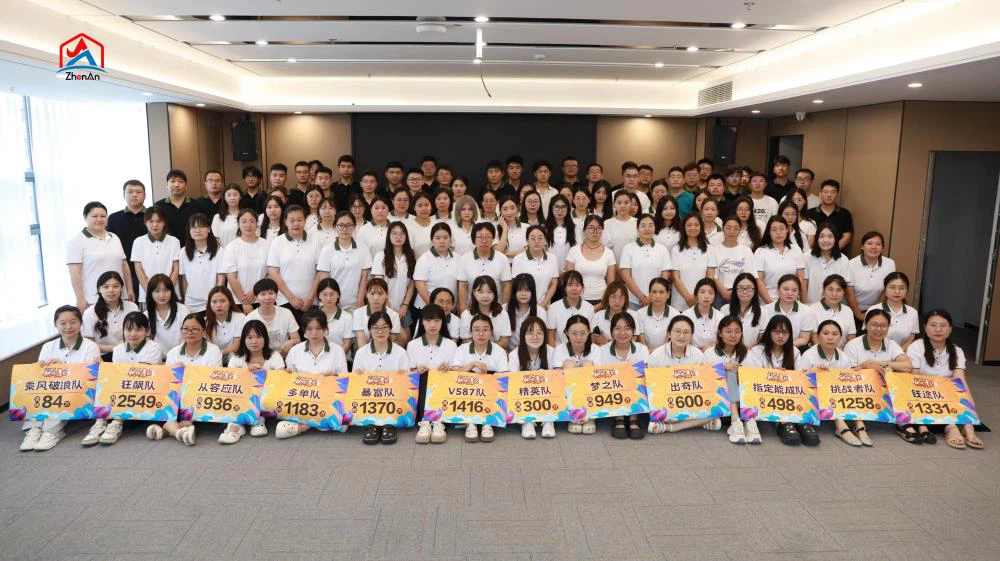
Why Choose ZhenAn
Consistent Quality – Strict production control and reliable testing ensure stable chemical composition and performance in every shipment.
Key Metallurgical Products – Silicon Carbide, Ferro Vanadium, Flake Vanadium Pentoxide, Metallic Silicon, Silicon Powder, Electrolytic Manganese Flakes, and Ferrosilicon.
Flexible Specifications – Particle size, purity, and packaging can be adjusted to meet different metallurgical and industrial requirements.
Reliable Export Partner – Experienced in international trade with professional handling of inspection, documentation, and logistics across global markets.
Stable Supply Chain – Long-term cooperation with qualified manufacturers ensures dependable production and on-time delivery.
Efficient Communication – Clear specifications, quick quotations, and responsive technical support for procurement teams.
Competitive Value – Practical balance between product quality, price, and performance for long-term cooperation.
Contact: market@zanewmetal.com
one-stop solution
professional team
high quality