


What is Silicon Carbide (SiC)?
Silicon Carbide (SiC) is an advanced ceramic compound composed of silicon (Si) and carbon (C) atoms bonded together in a crystalline lattice structure. It is one of the hardest known materials (Mohs hardness ~9–9.5, second only to diamond) and exhibits exceptional physical, chemical, and thermal properties due to its strong covalent bonding.
Key Characteristics:
Extreme Hardness & Wear Resistance: Resists abrasion far better than steel or most ceramics, making it ideal for high-wear applications.
High Thermal Conductivity: Conducts heat 3–5x faster than copper, enabling efficient heat dissipation in high-power devices.
Low Thermal Expansion: Expands minimally when heated (~4 x 10⁻⁶ /°C), reducing thermal stress and cracking in temperature-cycling environments.
Chemical Inertness: Resists corrosion from acids, alkalis, molten metals, and high-temperature gases (e.g., oxygen, hydrogen).
Wide Bandgap: A "wide-bandgap semiconductor" (bandgap ~3.2 eV, vs. silicon's 1.1 eV), allowing operation at higher voltages, temperatures, and frequencies than traditional semiconductors.
High Strength at Elevated Temperatures: Retains mechanical strength up to 1600°C (2912°F) in inert atmospheres.
SiC exists in multiple crystalline polymorphs (e.g., α-SiC, β-SiC), with α-SiC (hexagonal) being the most common for industrial use.
What are the main applications of Silicon Carbide?
SiC's unique properties make it indispensable across diverse industries, from electronics to aerospace. Below are its primary applications:
A. Semiconductor & Power Electronics
As a wide-bandgap semiconductor, SiC is revolutionizing power management:
Power Devices: MOSFETs, Schottky diodes, and JFETs used in electric vehicles (EVs), solar inverters, wind turbines, and industrial motor drives. These devices reduce energy loss by ~50% compared to silicon counterparts, improving efficiency and shrinking system size.
RF/Microwave Components: High-frequency transistors for 5G base stations, radar systems, and satellite communications (operates reliably at GHz frequencies).
B. Abrasives & Cutting Tools
Leveraging its extreme hardness:
Abrasive Powders/Grains: Used in grinding wheels, sandpaper, and lapping compounds for machining metals, ceramics, and glass.
Cutting Tools: Inserts for lathes/mills (e.g., turning hardened steel) and drill bits for concrete/stone.
Refractory Linings: Kiln furniture (shelves, setters) and furnace linings in steelmaking, glass manufacturing, and semiconductor crystal growth (resists molten metal/slag corrosion).
C. Automotive Industry
EV Components: SiC power modules in inverters and onboard chargers enable faster charging, longer range, and lighter weight. Brake pads and clutch facings use SiC for enhanced wear resistance.
Turbocharger Seals: Withstands high temperatures and friction in engine exhaust systems.
D. Aerospace & Defense
Thermal Protection Systems: Heat shields for spacecraft re-entry (e.g., NASA's Orion capsule) and hypersonic vehicle nose cones (resists extreme aerodynamic heating).
Radomes: Transparent to radar waves while withstanding high temperatures and erosion (used in fighter jets and missiles).
Lightweight Armor: Composite panels with SiC ceramics offer superior ballistic protection at lower weight than steel.
E. Energy & Environmental
Nuclear Reactors: Fuel cladding and control rods (resists radiation damage and high temperatures in fission/fusion reactors).
Desulfurization Systems: Scrubbers in coal-fired power plants (removes sulfur dioxide from flue gas without corroding).
Solar Panels: Anti-reflective coatings and encapsulants to boost light absorption and durability.
F. Medical & Biotechnology
Implants: Hip/knee prosthetics and dental implants (biocompatible, non-toxic, and resistant to body fluids/corrosion).
Surgical Tools: Scalpel blades and forceps (maintains sharpness and resists sterilization chemicals).
G. Other Niche Applications
Jewelry: Synthetic moissanite gemstones (visually similar to diamonds but more affordable).
Optoelectronics: UV detectors and LEDs (emits light in the ultraviolet spectrum).
In summary, Silicon Carbide bridges the gap between traditional ceramics and advanced semiconductors, enabling innovations in energy efficiency, high-temperature engineering, and miniaturization across modern technology.
Visit https://www.metal-alloy.com/ to learn more about the product. If you would like to learn more about the product price or are interested in purchasing, please email market@zanewmetal.com. We will get back to you as soon as we see your message.
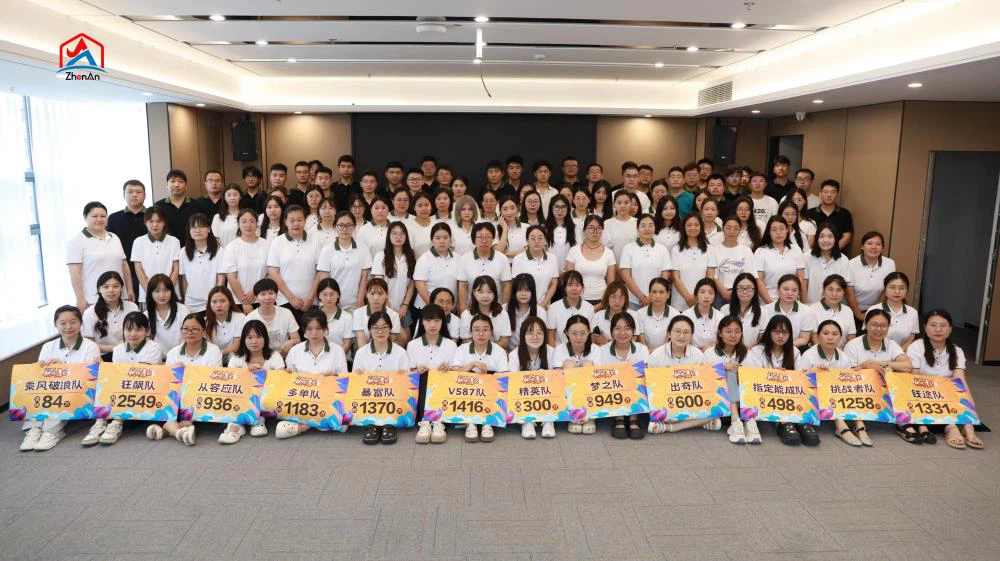
We understand the common pain points in Ferro Silicon sourcing today:
•High local cost and unstable supply
•Long lead times affecting project schedules
•Incomplete product ranges
•Slow communication and lack of follow-up
We Help Solve These Problems With:
✅ Large stock ready for fast delivery
✅ One-stop sourcing for Ferro Silicon, silicon metal, Silicon Metal Powder , and more
✅ Strict quality control with international standards
✅ Experienced sales team with fast response and clear communication
We'd love to learn more about your needs and offer you competitive prices and efficient service.
one-stop solution
professional team
high quality