



What are the Main Applications of Zinc Wire?
Purity available: Zn 99.9% / 99.95% / 99.995%
Diameter range: 0.8mm – 5.0mm
Common sizes: 1.6mm / 2.0mm / 2.5mm
Applications: thermal spray, arc spray, galvanizing, metallizing
Forms: coil, spool, reel
Export support: custom packaging and OEM supply
What are the Main Applications of Zinc Wire?
Zinc wire is widely used in industrial anti-corrosion systems, thermal spraying, galvanizing, and metallizing industries. Because zinc has excellent sacrificial corrosion protection properties, zinc wire plays a critical role in protecting steel structures and extending equipment service life.
Today, zinc wire is commonly used in infrastructure, marine engineering, energy projects, bridge construction, steel manufacturing, and heavy industrial coating systems.
What Are the Specifications of Zinc Wire?
| Item | Specification |
|---|---|
| Product Name | Zinc Wire |
| Zinc Purity | 99.9% / 99.95% / 99.995% |
| Diameter | 0.8mm – 5.0mm |
| Standard Sizes | 1.6mm / 2.0mm / 2.5mm |
| Shape | Wire / Coil / Reel |
| Surface | Smooth / Clean |
| Application | Thermal spray / Arc spray / Galvanizing |
| Packaging | Coil / Wooden case / Big spool |
| Inspection | SGS / BV / Third-party |
| Customization | Available |
Why Is Zinc Wire Used in Thermal Spraying?
Thermal spraying is one of the largest application areas for zinc wire.
In this process, zinc wire is melted and sprayed onto steel surfaces to form a protective anti-corrosion coating. This coating helps steel resist:
moisture
salt spray
industrial pollution
marine corrosion
Thermal spray zinc coatings are widely used on:
bridges
offshore platforms
transmission towers
pipelines
storage tanks
Because zinc sacrifices itself before the steel substrate corrodes, the coating greatly increases service life.
Why Is Zinc Wire Important in Arc Spray Systems?
Arc spray systems use electric arcs to melt zinc wire before atomizing it onto steel surfaces.
Compared with traditional painting methods, arc spray zinc wire offers:
thicker protective coatings
better corrosion resistance
longer durability
lower long-term maintenance cost
This makes zinc wire highly important in heavy industrial protection systems.
Why Is Zinc Wire Used in Galvanizing Industry?
In galvanizing operations, zinc wire helps maintain zinc concentration and coating quality during continuous production.
It is often used for:
zinc replenishment
coating stabilization
improving galvanizing efficiency
Galvanizing zinc wire is commonly applied in steel processing factories and continuous galvanizing lines.
Why Is Zinc Wire Used in Metallizing?
Metallizing refers to spraying molten metal onto surfaces to improve durability and corrosion resistance.
Zinc wire is one of the most commonly used metallizing materials because it offers:
stable spraying performance
excellent adhesion
cost-effective protection
easy processing
Industrial metallizing systems using zinc wire are widely found in marine engineering and infrastructure protection projects.
Product Grade Comparison
99.9% Zinc Wire vs 99.995% Zinc Wire
99.9% zinc wire is suitable for standard industrial coating applications.
99.995% high purity zinc wire is preferred for precision thermal spray systems requiring lower impurity levels and more stable arc performance.
Higher purity zinc wire typically provides:
smoother wire feeding
cleaner spraying
lower residue
improved coating uniformity
1.6mm Zinc Wire vs 2.5mm Zinc Wire
1.6mm zinc wire is widely used for precision spraying and fine coating applications.
2.5mm zinc wire is more suitable for large-scale industrial coating projects requiring higher deposition rates.
Thermal Spray Zinc Wire vs Arc Spray Zinc Wire
Thermal spray zinc wire focuses on coating adhesion and corrosion protection, while arc spray zinc wire emphasizes stable arc melting and efficient atomization.
Both are essential in industrial surface protection systems.
Which Industries Use Zinc Wire Most?
Why Is Zinc Wire Important in Marine Industry?
Marine structures are exposed to severe salt corrosion. Zinc wire coatings help protect:
ships
offshore platforms
harbor facilities
marine pipelines
How Is Zinc Wire Used in Infrastructure Projects?
Large steel structures such as bridges and towers require long-term corrosion resistance. Zinc wire coatings help reduce maintenance costs and extend structural lifespan.
Why Is Zinc Wire Important in Energy Industry?
Power plants, wind towers, and oil pipelines often operate in harsh environments. Zinc wire coatings improve equipment durability and operational reliability.
Summary
Zinc wire is an essential industrial material widely used in thermal spraying, arc spraying, galvanizing, and metallizing industries. Its excellent corrosion protection capability, stable spraying performance, and cost efficiency make it critical for protecting steel structures and industrial equipment worldwide.
FAQ About Zinc Wire Applications
What is zinc wire mainly used for?
It is mainly used for thermal spray coating, arc spraying, galvanizing, and anti-corrosion protection.
Why is zinc wire important in thermal spraying?
Because zinc coatings protect steel against corrosion and greatly extend service life.
What purity zinc wire is best for industrial spraying?
99.95%–99.995% zinc wire is commonly preferred for high-quality spraying applications.
What industries use zinc wire?
Marine engineering, bridge construction, galvanizing plants, energy industry, and steel structure protection.
What is the standard zinc wire diameter?
Common sizes include 1.6mm, 2.0mm, and 2.5mm.
Can zinc wire specifications be customized?
Yes. Purity, diameter, spool weight, and packaging can all be customized.
Looking for Reliable Zinc Wire Supplier?
We supply high-quality zinc wire for thermal spraying, galvanizing, and industrial anti-corrosion applications:
Zn 99.9%–99.995% purity
stable wire feeding performance
smooth surface and low impurities
customized diameters and packaging
SGS / BV inspection support
bulk export capability worldwide
📧 Email: market@zanewmetal.com
📱 WhatsApp: +86 15518824805
Contact us now for pricing, technical specifications, and bulk supply solutions.
Third-party inspection available
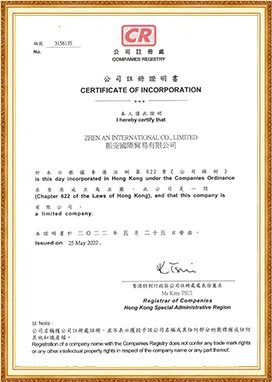
ZhenAn Metallurgy & New Materials Certificates



Why Work with ZhenAn Metallurgy for Zinc Wire?
Professional Manufacturer with Industry Experience
For more than three decades, ZhenAn Metallurgy has focused on the production and export of metal materials, providing zinc wire solutions for anti-corrosion engineering, metallurgical processing, and surface coating industries.
Wide Range of Zinc Wire Options
We manufacture zinc wire in various diameters, purity grades, and spool configurations to support applications such as flame spraying, arc spraying, galvanizing, and chemical processing.
Continuous Supply Capability
Supported by mature production lines and stable raw material sourcing, we are able to maintain consistent zinc wire output and support long-term procurement demands.
Tailored Production Services
Our team can adjust product specifications based on customer requirements, including diameter tolerance, coil weight, packaging style, and mechanical properties for different operational environments.
Samples Available for Evaluation
To help customers confirm product suitability, we offer free zinc wire samples for testing coating adhesion, spraying stability, conductivity, and corrosion resistance.
Detailed Inspection Procedures
All zinc wire products undergo strict testing for purity, dimensional accuracy, and surface condition before shipment. Independent inspections such as SGS or BV can also be arranged.
Advanced Processing and Testing Equipment
Our facilities include modern wire drawing systems, refining technology, and metallurgical laboratories, allowing us to maintain stable quality across every production batch.