



What is the Difference Between Zinc Wire and Zinc Rod?
Zinc purity: 99.9% / 99.95% / 99.995%
Zinc wire diameter: 0.8mm – 5.0mm
Zinc rod diameter: 8mm – 120mm
Forms: wire / rod / bar / customized shapes
Main use: spraying vs melting vs alloying
Supply form: coil, spool, straight rod, cut length
What is the Difference Between Zinc Wire and Zinc Rod?
Zinc wire and zinc rod are both industrial zinc materials, but they are designed for completely different processing methods and applications.
Zinc wire is mainly used for continuous feeding processes such as thermal spraying, arc spraying, and galvanizing zinc replenishment. Zinc rod, on the other hand, is typically used in melting, alloy production, and batch metallurgical processes.
The key difference lies in form, processing behavior, and application purpose.
What Are the Specifications of Zinc Wire vs Zinc Rod?
| Item | Zinc Wire | Zinc Rod |
|---|---|---|
| Product Form | Continuous wire | Solid rod/bar |
| Diameter Range | 0.8mm – 5.0mm | 8mm – 120mm |
| Shape | Coil / spool | Straight / cut length |
| Processing Method | Spray / feed system | Melting / furnace use |
| Purity | 99.9% – 99.995% | 99.9% – 99.995% |
| Main Application | Thermal spray, galvanizing | Alloying, smelting |
| Feeding System | Automatic wire feed | Manual charging |
How Is Zinc Wire Used in Industry?
Why Is Zinc Wire Used in Continuous Processes?
Zinc wire is designed for continuous feeding systems. It is melted and atomized during thermal spraying or arc spraying, forming a uniform protective coating on steel surfaces.
It is widely used in:
bridge protection systems
offshore corrosion protection
steel structure coating
galvanizing line zinc replenishment
Because of its consistent diameter and smooth surface, zinc wire ensures stable feeding and efficient coating performance.
Why Is Zinc Wire Preferred in Surface Coating?
Zinc wire is optimized for spraying systems where stability is critical. Compared with bulk zinc materials, wire form allows:
precise feeding control
stable arc performance
uniform coating thickness
higher deposition efficiency
This makes zinc wire essential in industrial anti-corrosion engineering.
How Is Zinc Rod Used in Metallurgy?
Why Is Zinc Rod Used in Smelting and Alloying?
Zinc rods are mainly used in furnace-based processes where zinc is melted and mixed into alloys or refined metals.
Typical applications include:
alloy production
metallurgical melting processes
zinc-based material production
batch furnace charging
Rod form allows easier handling in high-temperature environments.
Why Is Zinc Rod Not Used in Spraying?
Unlike zinc wire, zinc rod cannot be continuously fed into spraying equipment. Its large diameter and rigid form make it unsuitable for arc spray or thermal spray systems.
Therefore, zinc rod is mainly used in batch processing, not continuous coating.
Product Grade Comparison
Zinc Wire vs Zinc Rod in Industrial Use
Zinc wire is preferred for continuous industrial coating systems, while zinc rod is preferred for melting and alloy production.
Wire form provides better control and efficiency, while rod form provides higher batch capacity in furnace operations.
1.6mm Zinc Wire vs 50mm Zinc Rod
1.6mm zinc wire is used in precision spray systems requiring fine coating control.
50mm zinc rod is used in high-temperature melting processes where rapid zinc addition is required.
Zinc Wire for Thermal Spray vs Zinc Rod for Smelting
Thermal spray zinc wire focuses on coating protection performance, while zinc rod focuses on metallurgical alloy formation and bulk zinc input.
Which Industries Use Zinc Wire and Zinc Rod?
Why Is Zinc Wire Important in Infrastructure Protection?
Used in bridges, towers, and pipelines for anti-corrosion coating through spraying systems.
Why Is Zinc Rod Important in Metallurgical Industry?
Used in steelmaking and alloy production where zinc is added in bulk form.
Why Do Both Forms Matter in Zinc Industry?
Wire and rod serve different process routes. Together they support both coating technology and metallurgical production.
Summary
Zinc wire and zinc rod are both essential industrial zinc materials, but they serve different functions.
Zinc wire is designed for continuous feeding applications such as thermal spraying and galvanizing, while zinc rod is designed for melting and metallurgical alloy production.
Understanding their differences helps ensure correct material selection for industrial efficiency and cost optimization.
FAQ About Zinc Wire and Zinc Rod
What is the main difference between zinc wire and zinc rod?
Zinc wire is used for continuous feeding systems, while zinc rod is used for melting and alloy production.
Can zinc rod be used in thermal spraying?
No, zinc rod is too thick and not suitable for spray feeding systems.
What purity is available for zinc wire and rod?
Both are typically available in 99.9% to 99.995% purity grades.
Which is better for galvanizing?
Zinc wire is better for galvanizing because it supports continuous zinc replenishment.
Which is better for metallurgy?
Zinc rod is better for metallurgical melting and alloy production processes.
Can sizes be customized?
Yes, both zinc wire and zinc rod can be customized according to industrial requirements.
Looking for Reliable Zinc Supplier?
We supply high-quality zinc wire and zinc rod for industrial applications:
Zn 99.9%–99.995% purity
wire for spraying systems
rod for metallurgical melting
customized sizes and packaging
SGS / BV inspection support
bulk export capability
📧 Email: market@zanewmetal.com
📱 WhatsApp: +86 15518824805
Contact us for technical support, pricing, and bulk supply solutions.
Third-party inspection available
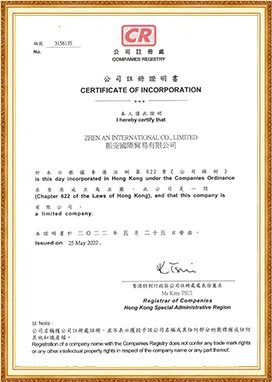
ZhenAn Metallurgy & New Materials Certificates



Zinc Wire - Why ZhenAn Metallurgy?
ZhenAn Metallurgy has over 30 years of experience in non-ferrous metal production, supplying zinc wire for galvanizing, thermal spraying, and corrosion protection industries worldwide.
Application-Focused Supply
We provide zinc wire designed for stable performance in real industrial use, including smooth feeding, consistent melting, and uniform coating results.
Flexible Specifications
Diameter, coil weight, purity level, and packaging can be adjusted to match different equipment and process requirements.
Stable Production & Delivery
With established production capacity and inventory support, we ensure continuous supply and reliable delivery schedules.
Sample Testing Available
Free samples are provided for evaluating spraying performance, coating quality, and process compatibility before bulk orders.
Strict Quality Control
Each batch is tested for composition, surface quality, and consistency. Third-party inspection such as SGS or BV is available if required.