


Zinc wire is a high-purity metallic wire used primarily in thermal spray coating systems for corrosion protection of steel structures. It is widely applied in bridge maintenance, marine engineering, offshore platforms, and infrastructure protection systems.
In arc spray and flame spray processes, zinc wire is melted and atomized onto steel surfaces to form a dense protective zinc coating that prevents rust and corrosion.
What Is Zinc Wire?
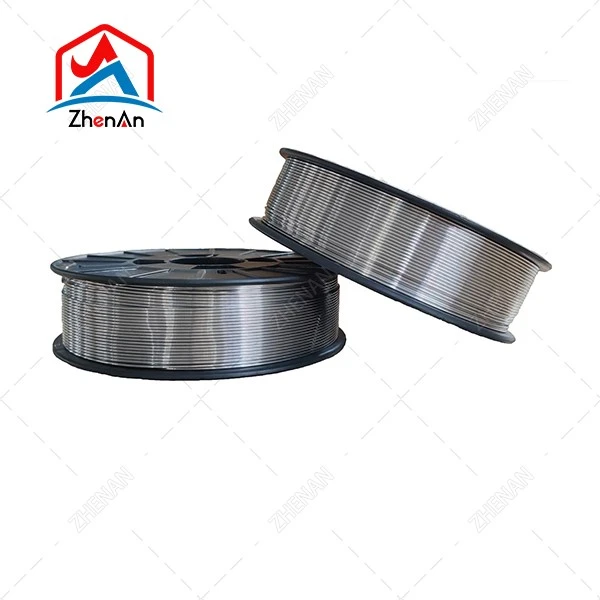
Zinc wire is manufactured from refined zinc metal and processed into continuous wire form with controlled diameter and mechanical properties. It is designed for stable feeding in thermal spray equipment and consistent melting during arc spraying.
Its main function is to provide cathodic protection and barrier protection for steel structures exposed to harsh environments.
How Is Zinc Wire Produced?
The production of zinc wire involves several controlled metallurgical steps:
- Refining of high-purity zinc ingots
- Continuous casting or extrusion into rod form
- Wire drawing to required diameter
- Surface cleaning and oxidation control
- Coiling and packaging for spray systems
Strict process control ensures consistent wire feeding behavior and stable arc performance during spraying.
Why Zinc Wire Is Critical in Bridge Maintenance
Bridge steel structures are exposed to humidity, salt spray, temperature variation, and industrial pollutants, making corrosion protection essential.
Zinc wire-based thermal spraying creates a sacrificial anode layer that corrodes preferentially, protecting the underlying steel structure.
However, spray discontinuity can significantly reduce coating quality and long-term protection efficiency.
What Causes Spray Discontinuity?
Spray instability in zinc arc spraying systems is typically caused by:
- Inconsistent wire diameter tolerance
- Low zinc purity or impurity fluctuations
- Surface oxidation or contamination
- Unstable wire feeding tension
- Improper mechanical strength of wire
These issues lead to irregular arc formation, uneven melting, and discontinuous coating layers.
How Specification Optimization Solves the Problem
1. Improved Wire Diameter Consistency
Tight tolerance control ensures smooth feeding and stable arc formation in spray equipment.
2. Higher Zinc Purity Control
Reducing impurities improves melting stability and coating adhesion performance.
3. Controlled Mechanical Strength
Optimized tensile strength prevents wire breakage and feed interruption during operation.
4. Surface Treatment Optimization
Anti-oxidation surface processing reduces contamination and improves arc consistency.
5. Stable Coil Winding Technology
Uniform winding prevents tangling and ensures continuous feeding in automated systems.
Zinc Wire Technical Specification Overview
| Parameter | Typical Range | Function Impact |
|---|---|---|
| Purity (Zn) | ≥99.9% | Arc stability & coating quality |
| Diameter | 1.2–3.2 mm | Feeding consistency |
| Tensile Strength | 80–120 MPa | Anti-breakage performance |
| Elongation | 10–25% | Feed flexibility |
| Surface Condition | Clean / Oxidation-controlled | Spray continuity |
Application in Bridge Maintenance Projects
Zinc wire is widely used in large-scale infrastructure protection systems, especially in:
- Steel bridge structures
- Highway overpasses
- Railway bridges
- Coastal and marine bridges
- Industrial steel frameworks
Thermal spray zinc coatings provide long-term corrosion resistance without requiring frequent repainting or maintenance.
Zinc Wire vs Zinc Alloy Wire
| Item | Zinc Wire | Zinc Alloy Wire |
|---|---|---|
| Composition | High purity Zn | Zn + Al / Mg |
| Spray Stability | High | Medium to High |
| Corrosion Resistance | Good | Better (in some environments) |
| Application | General bridge protection | Marine & harsh environments |
Advantages of Optimized Zinc Wire
- Improved spray continuity and reduced interruptions
- More uniform coating thickness
- Better adhesion to steel surfaces
- Reduced equipment wear and maintenance downtime
- Longer service life of corrosion protection systems
Procurement Guidelines
When selecting zinc wire for bridge projects, engineers and buyers should evaluate:
- Zinc purity level
- Diameter tolerance precision
- Mechanical stability (tensile strength)
- Surface oxidation control
- Coil quality and feeding performance
- Supplier production consistency and certification
Specification optimization is more important than nominal price in long-term infrastructure protection.
FAQ
zinc wire
What is zinc wire used for?
It is used in thermal spray systems for corrosion protection of steel structures.
Why does spray discontinuity occur?
Main reasons include wire inconsistency, oxidation, and unstable feeding systems.
What purity is required for zinc wire?
Typically ≥99.9% for industrial thermal spray applications.
How does zinc wire protect bridges?
It forms a sacrificial coating that prevents steel corrosion.
What is the ideal diameter range?
Usually between 1.2 mm and 3.2 mm depending on equipment.

Contact Information
ZhenAn International
Email: market@zanewmetal.com
WhatsApp: +86 15518824805
Global Supplier of Thermal Spray Zinc Wire for Infrastructure Protection
zinc wire
Is zinc wire better than zinc paint?
Yes, it provides longer-lasting and more durable corrosion protection.
Can zinc alloy wire replace zinc wire?
It depends on environment; alloys are better for harsh marine conditions.
What causes wire breakage during spraying?
Low tensile strength or inconsistent wire diameter.
How is coating quality improved?
By optimizing wire purity, diameter, and surface condition.
How to request technical specification?
Provide application type, equipment model, and coating requirements.
Visit https://www.metal-alloy.com/ to learn more about the product. If you would like to learn more about the product price or are interested in purchasing, please email
market@zanewmetal.com. We will get back to you as soon as we see your message.
Get a Quote Today