


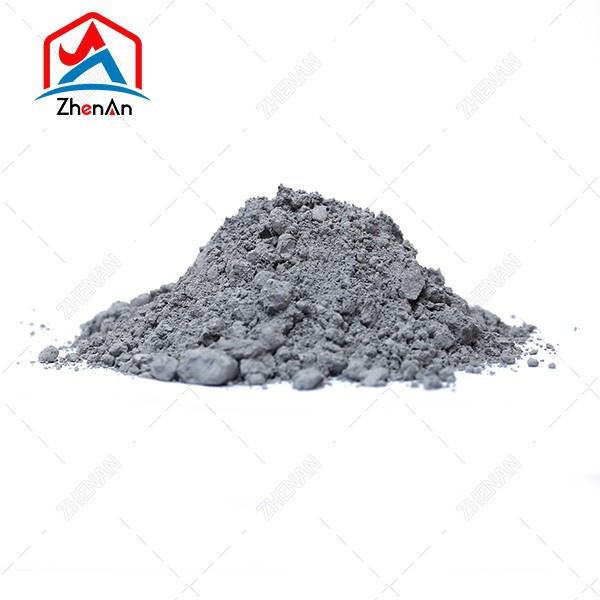
Why Is Ferro Silicon Nitride Powder Important in Modern Refractory Production?
Ferrosilicon Nitride Powder has become a key material in high-performance refractory manufacturing because it significantly improves thermal stability, bonding strength, slag resistance, and long-term furnace durability.
In blast furnace and steelmaking operations, refractory systems must withstand:
Extreme thermal cycling
Molten slag erosion
Continuous tapping conditions
Mechanical wear
Oxidation attack
Under these demanding environments, Refractory Grade FeSiN Powder acts as a powerful blast furnace refractory additive that enhances refractory structural performance at high temperatures.
Today, refractory manufacturers widely use:
FeSiN fine powder for refractory castables
ferrosilicon nitride powder for blast furnace taphole clay
FeSiN powder for Al2O3-SiC-C refractory systems
fine FeSiN powder for furnace lining stability
to extend furnace service life and reduce refractory failure risks.
As an experienced ferro silicon nitride powder supplier, ZhenAn provides stable quality materials for global refractory and steelmaking industries.
How Does Ferro Silicon Nitride Powder Improve Refractory Performance?
The primary function of FeSiN Powder is to improve refractory matrix bonding and high-temperature stability.
At elevated temperatures, FeSiN generates stable nitride ceramic bonding phases inside refractory structures. These phases help strengthen the internal matrix and reduce structural weakness caused by thermal stress.
Key Performance Improvements
| Property | Effect of FeSiN Powder |
|---|---|
| Thermal Shock Resistance | Enhanced |
| Slag Corrosion Resistance | Improved |
| High-Temperature Strength | Increased |
| Structural Stability | Stronger |
| Oxidation Resistance | Better |
| Crack Resistance | Reduced |
This makes Nitride Bonding Powder for Refractories especially valuable in modern blast furnace systems operating under long campaign conditions.
Why Is FeSiN Powder Used in High-Temperature Refractory Systems?
Blast furnace refractories operate continuously at extremely high temperatures, often exceeding 1400°C.
Under these conditions, conventional additives may lose bonding strength or experience rapid oxidation. However, micron grade FeSiN refractory additive powder maintains stable performance because of its nitride phase structure.
Advantages in High-Temperature Environments
| Requirement | FeSiN Advantage |
|---|---|
| High Hot Strength | Excellent |
| Structural Compactness | Improved |
| Thermal Stability | Strong |
| Long-Term Durability | Better |
| Continuous Operation Stability | Enhanced |
For this reason, many refractory plants prefer working with:
high nitrogen ferrosilicon nitride powder supplier
metallurgical FeSiN powder supplier
silicon nitride iron powder exporter
that can maintain stable chemical composition and particle distribution.
How Does FeSiN Enhance Thermal Shock Resistance in Furnace Linings?
Rapid heating and cooling cycles create internal stress inside refractory linings. Without sufficient thermal shock resistance, refractory materials may crack, spall, or fail prematurely.
How FeSiN Reduces Thermal Damage
When added into refractory formulations, Fine Ferrosilicon Nitride Powder improves:
Stress distribution
Crack suppression
Matrix bonding
Thermal stability
Thermal Shock Resistance Comparison
| Property | Standard Refractory | FeSiN-Modified Refractory |
|---|---|---|
| Crack Formation | Higher | Lower |
| Spalling Risk | Higher | Reduced |
| Thermal Cycling Stability | Moderate | Excellent |
| Service Life | Standard | Extended |
Because of these advantages, thermal shock resistant refractory additive powder is increasingly used in:
Taphole systems
Runner castables
Furnace linings
Iron trough refractories
Can FeSiN Powder Improve Slag Corrosion Resistance in Refractories?
Yes. Slag corrosion is one of the major causes of refractory degradation in blast furnace operations.
Molten slag can penetrate refractory pores and weaken the internal structure over time. Ferrosilicon Nitride Powder helps reduce this problem by improving refractory densification and creating stronger ceramic bonding phases.
Slag Resistance Benefits
| Slag Resistance Factor | FeSiN Performance |
|---|---|
| Slag Penetration Resistance | Excellent |
| Alkali Corrosion Resistance | Improved |
| Oxidation Stability | Strong |
| Structural Integrity | Enhanced |
| Furnace Lining Protection | Better |
This is why slag resistant refractory fine powder demand continues growing in steel plant refractory procurement.
How Does FeSiN Contribute to High-Temperature Bonding Stability?
One of the biggest advantages of Refractory Grade FeSiN Powder is its ability to improve refractory bonding at elevated temperatures.
Unlike ordinary metallic additives, FeSiN promotes nitride ceramic phase formation that remains stable during prolonged furnace operation.
Bonding Stability Advantages
Stronger matrix cohesion
Improved hot modulus strength
Reduced internal porosity
Better thermal fatigue resistance
Enhanced refractory compactness
This makes refractory bonding phase powder additive systems more reliable under severe blast furnace operating conditions.
Why Does FeSiN Improve Refractory Structural Integrity During Continuous Operation?
Modern blast furnaces increasingly operate under:
High productivity
Long campaign cycles
Continuous tapping schedules
Higher thermal load
These conditions place enormous stress on refractory systems.
How FeSiN Supports Structural Integrity
| Operational Challenge | FeSiN Contribution |
|---|---|
| Continuous Tapping | Better Stability |
| Thermal Expansion Stress | Reduced |
| Structural Fatigue | Lower |
| Erosion Resistance | Improved |
| Matrix Stability | Stronger |
Because of this, FeSiN powder for continuous tapping systems has become an important material in advanced refractory engineering.
How Does Nitrogen Content Affect Refractory Stability and Service Life?
Nitrogen is one of the most important elements inside Ferrosilicon Nitride Powder.
Higher nitrogen content helps generate stronger nitride bonding phases, which directly affect refractory durability and thermal performance.
Effect of Nitrogen Content
| Nitrogen Function | Performance Benefit |
|---|---|
| Nitride Bond Formation | Stronger Structure |
| Thermal Stability | Improved |
| Crack Resistance | Better |
| Slag Resistance | Enhanced |
| Furnace Campaign Life | Extended |
This is why many refractory manufacturers specifically request:
Stable nitrogen content
Low oxygen impurities
Uniform particle size distribution
when sourcing FeSiN powder for blast furnace ironmaking.
Can FeSiN Powder Reduce Cracking and Erosion in Blast Furnace Refractories?
Yes. Crack formation and erosion are two major reasons for refractory shutdown and replacement.
By improving matrix bonding and thermal shock resistance, taphole clay additive FeSiN helps minimize:
Surface cracking
Thermal spalling
Slag erosion
Structural separation
High-temperature fatigue
Erosion Resistance Comparison
| Property | Conventional Additive | FeSiN Powder |
|---|---|---|
| Crack Resistance | Moderate | Excellent |
| Slag Erosion Resistance | Standard | Improved |
| Hot Strength Retention | Lower | Higher |
| Refractory Wear Rate | Faster | Reduced |
This allows steel plants to reduce maintenance frequency and improve furnace operational stability.
How Does FeSiN Compare with Other Refractory Additives?
FeSiN Powder vs Silicon Carbide
| Property | FeSiN Powder | Silicon Carbide |
|---|---|---|
| Nitride Bonding | Excellent | Limited |
| Thermal Shock Resistance | Excellent | Good |
| Slag Resistance | Excellent | Moderate |
| Abrasion Resistance | Good | Excellent |
| Long-Term Stability | Better | Moderate |
FeSiN Powder vs Silicon Metal
| Property | FeSiN Powder | Silicon Metal |
|---|---|---|
| High-Temperature Bonding | Strong | Moderate |
| Structural Stability | Excellent | Lower |
| Oxidation Resistance | Better | Moderate |
| Furnace Service Life | Longer | Standard |
For high-end blast furnace applications, many refractory manufacturers now prioritize Fine Ferrosilicon Nitride Powder for long campaign furnace systems.
What Technical Specifications Are Commonly Required?
Typical FeSiN Powder Specifications
| Item | Standard Range |
|---|---|
| Nitrogen (N) | 28%–32% |
| Silicon (Si) | 45%–75% |
| Particle Size | 200 Mesh / 325 Mesh / Micron Grade |
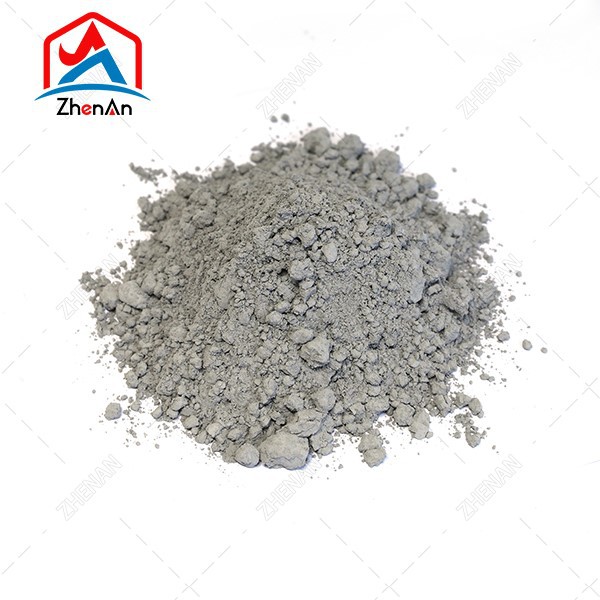
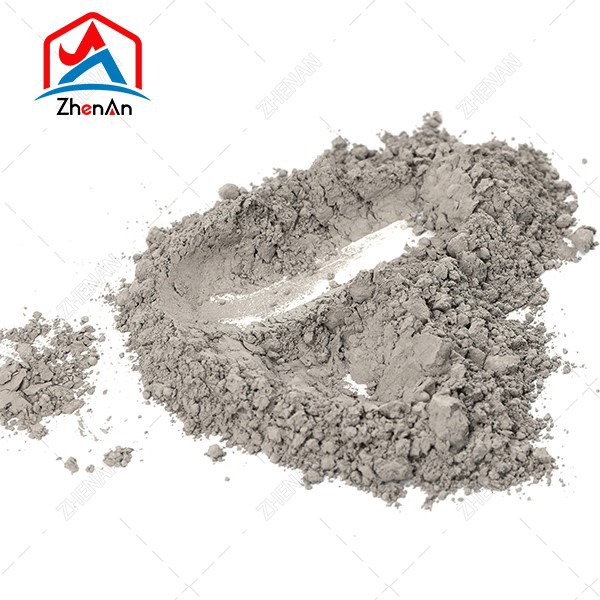
| Appearance | Gray Powder |
| Moisture | ≤0.5% |
| Application | Blast Furnace Refractory Additive |
Professional refractory buyers often evaluate:
Stable nitrogen content
Low impurity level
Uniform PSD
Reliable production consistency
before confirming procurement contracts.
What Packaging and Delivery Options Are Available?
ZhenAn supplies:
Powder
Fine powder
Granular FeSiN products
Customized particle sizes
Packaging Options
25kg export bags
1MT jumbo bags
Moisture-resistant packaging
OEM label support
Logistics Services
Sea freight export
Container loading optimization
Bulk shipment support
Export documentation assistance
As a professional ferro silicon nitride powder manufacturer China, ZhenAn supports long-term refractory material supply worldwide.
Conclusion
Modern refractory systems require materials capable of maintaining:
High-temperature stability
Thermal shock resistance
Slag corrosion protection
Strong bonding performance
Long service life
Because of these advantages, Ferrosilicon Nitride Powder has become a critical additive in blast furnace refractory manufacturing.
By improving:
Refractory bonding strength
Thermal cycling stability
Structural compactness
Slag erosion resistance
Continuous tapping durability
FeSiN Powder helps steel plants reduce downtime and extend furnace campaign life.
ZhenAn supplies:
Refractory Grade FeSiN Powder
Fine Ferrosilicon Nitride Powder
Blast Furnace Refractory Additive
Taphole Clay FeSiN Powder Additive
for refractory manufacturers and global steelmaking industries.
FAQ
How does ferro silicon nitride powder improve refractory performance?
It improves bonding strength, thermal shock resistance, slag resistance, and high-temperature structural stability.
Why is FeSiN powder used in high-temperature refractory systems?
Because it maintains stable bonding performance and structural integrity under extreme furnace temperatures.
How does FeSiN enhance thermal shock resistance in furnace linings?
FeSiN reduces crack formation and improves thermal cycling stability during repeated heating and cooling.
Can FeSiN powder improve slag corrosion resistance in refractories?
Yes. It helps reduce slag penetration and strengthens refractory matrix compactness.
How does FeSiN contribute to high-temperature bonding stability?
FeSiN forms stable nitride ceramic phases that improve refractory cohesion at elevated temperatures.
Why does FeSiN improve refractory structural integrity during continuous operation?
Because it strengthens refractory bonding and reduces thermal fatigue under long-term furnace operation.
How does nitrogen content affect refractory stability and service life?
Higher nitrogen content improves nitride phase formation, thermal stability, and refractory durability.
Can FeSiN powder reduce cracking and erosion in blast furnace refractories?
Yes. It improves crack resistance, erosion resistance, and long-term structural stability.
Contact ZhenAn
Looking for a reliable Ferro silicon nitride powder supplier or checking the latest FeSiN powder price per ton?
Contact ZhenAn for technical specifications and quotation support.
Email: market@zanewmetal.com
WhatsApp: +86 15518824805
Visit https://www.metal-alloy.com/ to learn more about the product. If you would like to learn more about the product price or are interested in purchasing, please email market@zanewmetal.com. We will get back to you as soon as we see your message.