Pure Nickel Wire vs Stainless Steel Wire: Key Differences, Applications and Selection Guide

Pure nickel wire and stainless steel wire are two widely used metallic wire materials in industrial manufacturing, electronics, chemical equipment, and high-temperature applications. While both offer favorable corrosion resistance and mechanical reliability, they differ significantly in chemical composition, high-temperature performance, electrical properties, and application suitability.
Pure nickel wire is primarily selected for applications demanding exceptional corrosion resistance, high-temperature stability, consistent electrical performance, and chemical inertness. Stainless steel wire is preferred when mechanical strength, wear resistance, and cost-effectiveness are prioritized.
Understanding the distinctions between pure nickel wire and stainless steel wire enables engineers and procurement professionals to choose the optimal material for specific operating environments.
What Is Pure Nickel Wire?
Pure nickel wire is fabricated from high-purity nickel metal. Common industrial grades include Ni200 (UNS N02200) and Ni201 (UNS N02201), with nickel content exceeding 99% and tightly controlled impurity levels (low carbon for Ni201 to enhance corrosion resistance in reducing environments).
With superior corrosion resistance, stable electrical resistivity, and excellent high-temperature oxidation resistance, pure nickel wire is extensively applied in chemical processing, battery systems, electronic components, heating elements, and laboratory equipment.
What Is Stainless Steel Wire?
Stainless steel wire is an iron-based alloy containing chromium (minimum 10.5%) and other alloying elements (nickel, molybdenum, etc.). Chromium forms a self-repairing passive oxide film on the surface, delivering inherent corrosion resistance.
Typical grades are 304 (18-8 stainless steel) and 316 (marine-grade with molybdenum). Stainless steel wire is popular for its high tensile strength, good formability, durability, and cost efficiency.
Pure Nickel Wire vs Stainless Steel Wire: Material Comparison
Chemical Composition Difference
The core divergence lies in chemical makeup:
Pure Nickel Wire: Primarily high-purity nickel (≥99%), with trace controlled impurities, ensuring exceptional chemical stability.
Stainless Steel Wire: Iron-based matrix with chromium (10.5%+), nickel, and optional molybdenum; alloying elements tailor corrosion resistance and mechanical properties.
Corrosion Resistance Performance
Pure nickel wire outperforms standard stainless steel wire in corrosion resistance, particularly in alkaline environments, reducing atmospheres, and specific chemical processing (e.g., caustic soda, fatty acids).
Stainless steel wire (especially 316 grade) offers good general corrosion resistance, ideal for marine, food processing, and neutral industrial environments.

High Temperature Performance
Pure nickel wire maintains excellent mechanical stability and oxidation resistance at elevated temperatures (up to 1000°C+), suitable for thermal cycling and harsh high-temperature chemical conditions.
Stainless steel wire has moderate heat resistance, but performance varies by grade; most austenitic grades experience strength loss and accelerated oxidation under extreme high temperatures.
Electrical Properties
Pure nickel wire features stable electrical resistivity and favorable electrical conductivity, making it suitable for conductive components and precision resistance applications.
Stainless steel wire has significantly higher electrical resistivity, making it unsuitable for high-conductivity requirements but usable for low-power heating elements.
Mechanical Strength and Durability
Stainless steel wire delivers higher tensile strength and superior wear resistance, suited for structural components and mechanical load-bearing applications.
Pure nickel wire exhibits excellent ductility and toughness, with core advantages in corrosion resistance, thermal stability, and chemical compatibility rather than structural strength.
Pure Nickel Wire vs Stainless Steel Wire Comparison Table
| Property | Pure Nickel Wire | Stainless Steel Wire |
|---|---|---|
| Main Material | High-purity Nickel (≥99%) | Iron-chromium-nickel alloy |
| Corrosion Resistance | Excellent (alkaline, chemical environments) | Good (general/marine, grade-dependent) |
| High Temperature Performance | Excellent thermal stability & oxidation resistance | Good, limited at extreme temperatures |
| Electrical Resistance | Low, stable electrical properties | High, low conductivity |
| Mechanical Strength | High ductility, moderate tensile strength | High tensile strength & wear resistance |
| Cost | Higher raw material cost | Cost-effective, widely available |
Applications of Pure Nickel Wire
Pure nickel wire is chosen for critical applications requiring material purity and stability:
- Battery manufacturing (current collectors, lead wires)
- Precision electronic components and instruments
- Chemical processing equipment (caustic service)
- High-temperature heating elements and industrial components
- Vacuum devices and laboratory corrosion-resistant parts
- Special alloy raw materials and composite wire cores
Applications of Stainless Steel Wire
Stainless steel wire dominates applications requiring strength, durability, and balanced corrosion resistance:
- Wire mesh, filtration screens, and weaving products
- Mechanical fasteners and structural components
- Food processing and sanitary equipment
- Automotive parts and hardware
- Construction and architectural applications
- General industrial manufacturing and consumer goods
-
When Should You Choose Pure Nickel Wire?
Select pure nickel wire for applications requiring:
Superior chemical corrosion resistance (alkaline/reducing environments)
Long-term stability at high temperatures
Consistent electrical conductivity or resistivity
Extended service life in harsh corrosive conditions
High material purity and chemical inertness
-

VPure Nickel Wire vs. Stainless Steel Wire: How to Choose the Right Material
-
When Should You Choose Stainless Steel Wire?
Choose stainless steel wire for applications requiring:
High mechanical tensile strength and load capacity
Excellent wear and abrasion resistance
Good general corrosion resistance
Mass production availability and supply stability
Cost-efficient material solutions
How to Select Between Pure Nickel Wire and Stainless Steel Wire?
Evaluate these key factors for material selection:
- Operating Environment: Extreme chemical/high-temperature conditions favor pure nickel wire.
- Mechanical Loads: High tensile/wear requirements favor stainless steel wire.
- Electrical Needs: Conductive/resistance applications require pure nickel wire.
- Budget: Cost-sensitive projects prioritize stainless steel wire.
- Service Life: Balance initial cost with long-term performance in harsh environments.
Quality Control Requirements for Pure Nickel Wire
Verify these specifications when purchasing industrial pure nickel wire:
- Chemical composition (nickel purity ≥99%, low carbon for Ni201)
- Dimensional accuracy (diameter tolerance, ovality)
- Surface quality (smooth, no cracks, oxides, or defects)
- Mechanical properties (tensile strength, elongation)
- Electrical resistivity compliance
- Mill test certificates (MTC) and third-party inspection reports
Frequently Asked Questions About Pure Nickel Wire vs Stainless Steel Wire
Q1: Is pure nickel wire better than stainless steel wire?
No single material is universally superior. Pure nickel wire excels in high-temperature, chemical, and electrical applications; stainless steel wire leads in strength, wear resistance, and cost efficiency.
Q2: Does pure nickel wire have better corrosion resistance than stainless steel?
Yes, pure nickel wire offers superior corrosion resistance in alkaline, reducing, and specific chemical environments; stainless steel performs better in neutral/oxidizing and marine conditions.
Q3: Which wire is better for high-temperature applications?
Pure nickel wire is preferred for extreme high-temperature use due to its outstanding thermal stability and oxidation resistance.
Q4: Can stainless steel wire replace pure nickel wire?
Stainless steel can substitute nickel wire in general industrial applications but fails to match performance in extreme chemical, electrical, or ultra-high-temperature environments.

Q5: What are common pure nickel wire grades?
Standard grades are Ni200 (general purpose) and Ni201 (low carbon, enhanced corrosion resistance), complying with UNS N02200/N02201 standards.
Q6: How is pure nickel wire quality tested?
Quality testing includes spectral composition analysis, dimensional inspection, surface defect detection, mechanical tensile testing, and electrical property verification, supported by material certification.
Conclusion: Pure Nickel Wire or Stainless Steel Wire?
Pure nickel wire and stainless steel wire serve distinct industrial needs. Pure nickel wire delivers superior corrosion resistance, high-temperature stability, and electrical performance; stainless steel wire offers high mechanical strength, durability, and cost efficiency.
The optimal selection depends on operating environment, temperature, chemical exposure, electrical requirements, and expected service life.
Contact Us for Pure Nickel Wire Solutions
We provide industrial-grade pure nickel wire with strict quality control, customized specifications, and professional technical support for diverse applications.
Email: market@zanewmetal.com
WhatsApp / WeChat: +86 15518824805
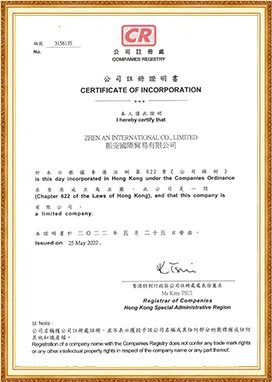
ZhenAn Metallurgy & New Materials Certificates