


Why is certification critical in V₂O₅ flake international trade?
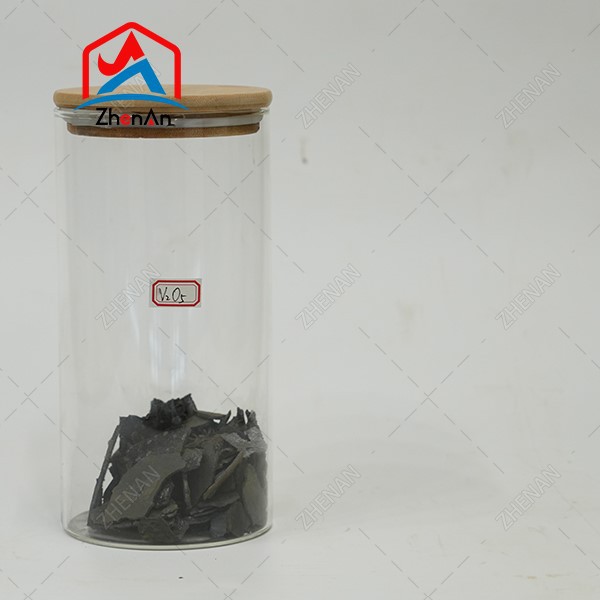
Vanadium pentoxide (V₂O₅) flake is a regulated industrial chemical used in ferrovanadium, catalysts, and specialty alloys, so export compliance is directly tied to chemical safety, quality assurance, and customs classification. In most international shipments, buyers require a combination of quality certification, inspection reports, and transport safety documentation to ensure material consistency (e.g., V₂O₅ ≥ 98% / 99%) and regulatory approval at destination ports.
Without proper documentation, shipments are commonly delayed at customs, rejected by import authorities, or downgraded in commercial value.
What are the standard specifications and documentation parameters for export-grade V₂O₅?
| Item | Standard Requirement | Typical Range / Value |
|---|---|---|
| V₂O₅ Content | Chemical purity | 98% / 99% / 99.5% |
| Impurity Control | Fe, Si, Al limits | ≤0.05%–0.3% |
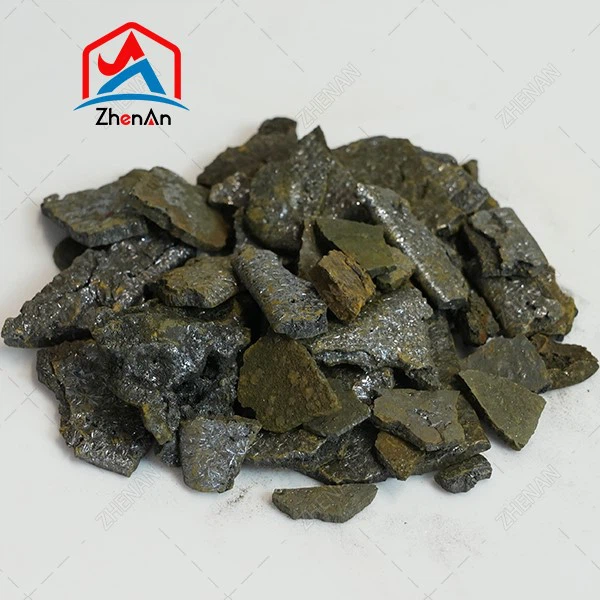
| Particle Form | Flake consistency | 10–50 mm flakes |
| Moisture | Dry basis | ≤0.5% |
| Packaging | Export-safe packaging | 25kg / 50kg drum or bag |
| Inspection | Third-party test | SGS / BV / CIQ optional |
| Transport Classification | Hazard class (if applicable) | UN-regulated chemical listing |
Which certifications are commonly required for V₂O₅ flake export?
1. ISO Certification (Quality Management System)
ISO 9001 certification is commonly required to demonstrate that the vanadium pentoxide producer operates under a controlled quality system. It confirms stable production processes, traceability, and batch-to-batch consistency.
2. SGS or Third-Party Inspection Report
SGS inspection is widely used to independently verify chemical composition, impurity levels, and physical form before shipment. This is often required by buyers in Europe, India, and Southeast Asia.
3. COA (Certificate of Analysis)
A COA is mandatory in nearly all V₂O₅ export transactions. It provides detailed chemical composition results, including vanadium content and impurity breakdown, ensuring the material matches contract specifications.
4. MSDS (Material Safety Data Sheet)
MSDS documents define hazard classification, handling requirements, and safety precautions. It is essential for customs clearance and industrial handling compliance.
5. Customs Export Declaration Documents
These include commercial invoice, packing list, export license (if required in origin country), and HS code classification for vanadium compounds.
How do different supplier certifications compare in real trade scenarios?
ISO-certified supplier vs non-certified supplier
ISO-certified V₂O₅ suppliers provide controlled production consistency and traceable batches, while non-certified suppliers often struggle with variability in purity and impurity control, increasing risk in metallurgical performance.
SGS-inspected shipment vs non-inspected shipment
SGS-tested shipments reduce dispute risk by independently verifying V₂O₅ content, whereas non-inspected cargo relies solely on factory-issued data, which may be questioned during customs or by end users.
Full-document supplier vs partial-document supplier
Suppliers providing COA + MSDS + SGS + ISO create smoother customs clearance and stronger buyer trust, while partial documentation increases delays and inspection probability.
Why do certifications directly affect pricing and buyer trust?
Certified V₂O₅ flake typically commands higher market acceptance because certification reduces downstream risk in ferrovanadium production, catalyst manufacturing, and alloy blending. Buyers prioritize certified supply chains because even small impurity deviations can significantly impact vanadium yield efficiency during reduction processes.
Summary
V₂O₅ flake export compliance is not optional-it is a structural requirement of international chemical trade. ISO, SGS, COA, MSDS, and customs documentation together define whether a supplier is considered industrial-grade reliable or high-risk. Buyers typically select suppliers based on certification completeness rather than price alone.
FAQ
1. What certifications are required for exporting vanadium pentoxide (V₂O₅) flake?
ISO, COA, MSDS, and often SGS inspection are required because they validate quality, safety, and compliance.
2. Is ISO certification required for V₂O₅ manufacturers in international trade?
Yes, ISO 9001 is widely expected because it ensures stable production and traceability of chemical batches.
3. Why is SGS inspection commonly used for vanadium pentoxide export?
SGS provides independent verification of chemical composition and reduces buyer-side quality disputes.
4. What documents are needed for customs clearance of V₂O₅ flake shipments?
Commercial invoice, packing list, COA, MSDS, and export declaration are standard requirements.
5. How do quality certificates ensure compliance in chemical exports?
They verify purity, safety classification, and regulatory conformity across importing countries.
6. What role does COA (Certificate of Analysis) play in V₂O₅ export transactions?
COA confirms exact chemical composition and guarantees batch-to-batch consistency.
7. Are environmental or safety certifications required for vanadium compounds?
Yes, MSDS and sometimes REACH-related documentation are required depending on destination market.
8. How can buyers verify authenticity of export certifications?
By cross-checking SGS reports, ISO registration numbers, and matching COA batch codes with shipment records.
Why choose a reliable V₂O₅ supplier?
Consistent chemical performance, stable vanadium content, and full export documentation directly impact ferrovanadium yield efficiency and downstream alloy quality. Working with a certified supplier reduces operational risk and improves long-term procurement stability.
Contact for quotation & technical specification
For high-purity vanadium pentoxide flake supply, technical documentation, and export support:
Email: market@zanewmetal.com
WhatsApp: +86 15518824805
Visit https://www.metal-alloy.com/ to learn more about the product. If you would like to learn more about the product price or are interested in purchasing, please email market@zanewmetal.com. We will get back to you as soon as we see your message.