Nickel wire is a metallic wire product manufactured from high-purity nickel or nickel-based alloys. It is valued for its excellent corrosion resistance, high-temperature performance, electrical conductivity, and oxidation resistance. These characteristics make nickel wire a critical material in industries ranging from electronics and energy storage to aerospace and metallurgy.
Depending on purity and application requirements, nickel wire is available in multiple grades, diameters, and alloy compositions to meet diverse industrial demands.
What Is Nickel Wire?
Nickel wire is a drawn metallic wire produced from refined nickel cathodes or nickel alloy feedstock. It typically contains a high percentage of nickel and is supplied in coil, spool, straight-cut, or customized forms.
Because nickel remains stable under elevated temperatures and corrosive environments, nickel wire is widely used where conventional steel or copper materials may fail.
How Is Nickel Wire Manufactured?
The production of nickel wire involves several precision manufacturing stages:
- Refining and purification of nickel raw materials
- Vacuum melting or induction melting
- Continuous casting into rod form
- Multi-stage wire drawing process
- Heat treatment and annealing
- Surface cleaning and quality inspection
- Precision winding and packaging
Strict control of chemical composition and dimensional tolerances ensures stable performance in demanding industrial applications.
Common Nickel Wire Grades
| Grade | Nickel Content | Main Characteristics | Typical Application |
|---|---|---|---|
| Ni200 | ≥99.6% | High purity, excellent conductivity | Batteries, electronics |
| Ni201 | ≥99.6% | Lower carbon content | Chemical equipment |
| NiCr Alloy Wire | Nickel-Chromium | High temperature resistance | Heating elements |
| NiCu Alloy Wire | Nickel-Copper | Superior seawater resistance | Marine applications |
Technical Properties of Nickel Wire
| Property | Typical Value |
|---|---|
| Melting Point | 1455°C |
| Density | 8.90 g/cm³ |
| Electrical Conductivity | Good |
| Corrosion Resistance | Excellent |
| Oxidation Resistance | Excellent |
| Working Temperature | Up to 1000°C+ |
What Is Nickel Wire Used For?
Battery Manufacturing
Nickel wire is widely used in lithium-ion battery packs and energy storage systems. It serves as a conductive connection material due to its stable electrical performance and corrosion resistance.
Resistance Heating Elements
Nickel-based wires are commonly used in industrial heaters, electric furnaces, and heating elements where long-term high-temperature stability is required.
Thermal Spray Coating
Nickel wire is used as a thermal spray consumable to produce wear-resistant, corrosion-resistant, and high-temperature-resistant coatings.
Electronics Industry
Its conductivity and oxidation resistance make it suitable for connectors, lead wires, sensors, and precision electronic components.
Chemical Processing Equipment
Nickel wire is frequently used in chemical environments involving alkalis, organic acids, and corrosive media.
Nickel Wire in Metallurgical Applications
In metallurgy, nickel wire contributes to alloy production, welding operations, and surface engineering technologies. Nickel-containing materials improve corrosion resistance, toughness, and heat resistance in stainless steels and specialty alloys.
Nickel wire is also utilized in welding filler materials for joining stainless steel, nickel alloys, and dissimilar metals.
Nickel Wire in Chemical Industry
The chemical industry values nickel wire for its ability to withstand aggressive environments. Equipment exposed to caustic soda, chlorides, and organic chemicals often incorporates nickel-based materials to increase service life.
High-purity nickel wire is also used in catalyst support systems and specialized filtration technologies.
Nickel Wire vs Stainless Steel Wire
| Property | Nickel Wire | Stainless Steel Wire |
|---|---|---|
| Corrosion Resistance | Excellent | Good |
| High-Temperature Stability | Excellent | Moderate to High |
| Electrical Conductivity | Higher | Lower |
| Chemical Resistance | Superior | Good |
Nickel Wire vs Copper Wire
| Property | Nickel Wire | Copper Wire |
|---|---|---|
| Electrical Conductivity | Moderate | Very High |
| Corrosion Resistance | Excellent | Moderate |
| Heat Resistance | Excellent | Lower |
| High Temperature Use | Suitable | Limited |
How to Select the Right Nickel Wire?
When purchasing nickel wire, buyers should evaluate:
- Nickel purity or alloy grade
- Wire diameter and tolerance requirements
- Operating temperature conditions
- Corrosion environment
- Electrical conductivity requirements
- Mechanical strength specifications
- Certification and quality documentation
Application-specific selection is critical to achieving optimal performance and cost efficiency.
Market Demand and Industrial Trends
Global demand for nickel wire continues to increase due to growth in electric vehicles, battery manufacturing, renewable energy infrastructure, and advanced industrial equipment.
High-purity nickel materials are becoming increasingly important in energy storage technologies and precision manufacturing sectors.
FAQ
What is nickel wire made of?
Nickel wire is manufactured from high-purity nickel or nickel-based alloy materials.
What is nickel wire used for?
It is used in batteries, electronics, thermal spraying, heating elements, welding, and chemical processing equipment.
What is the difference between Ni200 and Ni201?
Ni201 has a lower carbon content and is preferred for certain corrosive chemical environments.
Is nickel wire corrosion resistant?
Yes. Nickel wire offers excellent resistance to corrosion and oxidation.
Can nickel wire be used at high temperatures?
Yes. Nickel wire maintains stability and oxidation resistance at elevated temperatures.
Is nickel wire used in lithium batteries?
Yes. It is commonly used as a conductive connection material in battery pack assembly.
What diameter sizes are available?
Nickel wire is available in fine wire, standard industrial wire, and customized diameters.
Can nickel wire be welded?
Yes. It is widely used in resistance welding and specialty welding applications.
What industries use nickel wire?
Energy storage, electronics, aerospace, metallurgy, thermal spraying, and chemical industries.
How can I request a quotation?
Please provide grade, diameter, quantity, and application requirements for an accurate quotation.
Contact Information
ZhenAn International
Email: market@zanewmetal.com
WhatsApp: +86 15518824805
Professional Supplier of Nickel Wire and Specialty Metal Materials for Industrial Applications.
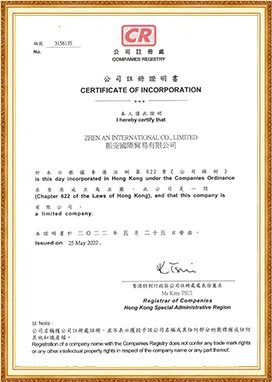
ZhenAn Metallurgy & New Materials Certificates