What Is the Current Market Price of Ferro Vanadium?
The price of ferro vanadium (FeV) is not fixed and fluctuates continuously based on vanadium raw material costs, alloy grade (FeV50, FeV80), regional demand, and steelmaking consumption cycles (HSLA, rebar, pipeline steel, and engineering steel).
In general, FeV pricing is referenced in vanadium unit content (V contained basis) or bulk alloy tonnage pricing, depending on market region (Europe, USA, Asia).
Below is a real market snapshot used by buyers in global procurement.
What Are the Latest Ferrovanadium Market Prices?
Ferrovanadium (70–80% V, Europe): approximately US$28–29.11 per kilogram of vanadium on May 13, 2026, with the high-end price increasing by US$0.10.
Ferrovanadium (70–80% V, United States): approximately US$22–24.01 per pound on May 13, 2026, with prices remaining stable.
What Specifications Influence Ferrovanadium Price?
| Parameter | FeV50 Grade | Standard FeV | High Vanadium FeV (FeV80) |
|---|---|---|---|
| Vanadium (V) | 45–55% | 70–80% | 78–82% |
| Price Level | Lower | Medium | Higher |
| Purity Stability | Low | Medium | High |
| Steel Application | General steel | Construction steel | HSLA / pipeline steel |
| Alloying Efficiency | Basic | Stable | High efficiency |
| Recovery Rate in Steel | 80–88% | 85–92% | 92–96% |
Why Does Ferrovanadium Price Fluctuate So Much?
1. Vanadium Ore Supply Volatility
FeV is directly linked to vanadium raw material markets:
Vanadium pentoxide (V₂O₅) price swings
Mining output changes in China, Russia, South Africa
Supply-demand imbalance in steel cycles
2. Steel Industry Consumption Cycles
FeV demand depends on:
HSLA steel production (construction + automotive)
Infrastructure investment cycles
Pipeline and shipbuilding demand
3. Energy and Reduction Cost
Production of metallurgical ferro vanadium depends on:
Electric furnace energy costs
Reduction agent pricing
Carbon/oxygen control processes
4. Grade and Purity Level
Higher specification = higher price:
FeV50 → lower cost, lower performance
FeV80 → higher cost, stable alloying performance
Ultra-clean FeV → premium pricing for HSLA steel
What Are the Key Applications of Ferrovanadium in Steelmaking?
1. HSLA Steel Production
Used as HSLA steel vanadium alloy to improve:
Yield strength
Grain refinement
Structural durability
2. Construction Rebar (Fe 500D / Fe 550D)
Acts as an alloying agent ferro vanadium for:
High-strength reinforcement
Earthquake-resistant steel
Infrastructure safety compliance
3. Pipeline and Pressure Steel
Used in:
API 5L X70–X80 steel
Hydrogen-resistant pipelines
Offshore structures
What Are the Main Ferrovanadium Grades in the Market?
FeV50 → cost-sensitive general steel
FeV70 → mid-range construction steel
FeV80 → high-performance HSLA steel
Industrial grade FeV alloy → bulk structural applications
Vanadium master alloy FeV → precision metallurgy systems
How Do Different Ferrovanadium Grades Affect Price?
FeV50 vs FeV80
FeV50: lower cost, lower vanadium efficiency
FeV80: higher cost but improved recovery and steel performance
Used in different steelmaking tiers
FeV80 vs Industrial Mixed FeV
FeV80 offers stable chemistry for HSLA steel
Mixed FeV increases variability and hidden production cost
Premium projects prefer FeV80
High Vanadium FeV vs Standard FeV
High vanadium FeV improves alloy efficiency
Standard FeV is more cost-sensitive but less stable
Used depending on steel grade requirements
Why Do Steelmakers Pay More for Stable Ferrovanadium?
Because unstable FeV causes:
Yield strength fluctuation in HSLA steel
Increased alloy consumption
Batch rejection in structural steel
Higher long-term production cost
So procurement logic becomes:
stability > efficiency > price per ton
Where to Buy Stable Ferrovanadium for Steelmaking?
We supply industrial-grade and HSLA-grade ferrovanadium alloys designed for stable steelmaking performance, consistent vanadium recovery, and controlled chemistry for global steel producers.
📧 Email: market@zanewmetal.com
📱 WhatsApp: +86 15518824805
What Is the Real Ferrovanadium Price Trend?
Ferrovanadium pricing is driven by:
Vanadium raw material volatility
Steel industry demand cycles
Grade and purity level differences
Energy and production cost structures
The market trend shows a clear direction:
higher demand for stable, high-purity FeV80-grade alloys in HSLA steel production.
Third-party inspection available
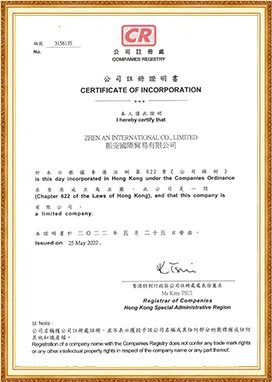
ZhenAn Metallurgy & New Materials Certificates