Silicon metal, also widely known as industrial silicon or crystalline silicon, is a metalloid product manufactured by smelting quartz and carbonaceous reducing agents in a submerged arc furnace. Its primary element silicon content typically ranges from 98% to 99.99%. Frequently referred to as the "industrial MSG," silicon metal serves as an indispensable raw material for solar photovoltaic cells, semiconductor chips, silicone-based chemicals, and high-performance aluminum alloys. As the global economy transitions toward renewable energy and pervasive digitalization, the strategic importance of high-purity silicon metal (such as solar and electronic grades) has reached unprecedented heights. This comprehensive guide details the definition, chemical processing, commercial grading, multi-industry applications, and procurement strategies for silicon metal, aligned with the latest international standards and commercial market data.
For bulk inquiries or custom specifications, please contact our global supply team:
Email: market@zanewmetal.com
WhatsApp/WeChat: +86 15518824805
What Is Silicon Metal and How Is It Professionally Defined?
In global trade and material sciences, silicon metal (Harmonized System Code, HS Code: 2804.6900) is defined as a high-purity elemental silicon obtained via the carbonothermic reduction of silicon dioxide (SiO₂). Although silicon is scientifically classified as a metalloid on the periodic table due to its mixed metallic and non-metallic properties, it is commercially termed "silicon metal" across global procurement markets because of its lustrous silver appearance and its predominant historical role as an alloying agent in metallurgical industries.
Structurally, silicon metal is characterized by its high hardness, elevated melting point (1414°C), and intrinsic semiconductor properties. In international commerce, it is systematically categorized into various standard grades based on the maximum allowable thresholds of its three primary impurities: iron (Fe), aluminum (Al), and calcium (Ca). These specific chemical definitions directly dictate the market value and downstream compatibility of the material.
What Is the Modern Production Process of Industrial Silicon Metal?
The large-scale commercial production of industrial silicon metal relies primarily on high-energy-consuming submerged arc furnace carbonothermic reduction. The core technological workflow can be summarized through the following key phases:
- Raw Material Preparation: High-purity silica stones or quartz gravel containing over 99.0% SiO₂ are carefully selected. They are paired with low-ash carbonaceous reducing agents, including petroleum coke, bituminous coal, charcoal, and wood chips.
- Furnace Charging: The silica and carbon reductants are mixed in exact stoichiometric ratios and continuously fed into the high-temperature zone of the submerged arc furnace.
- Electric Arc Smelting: Graphite electrodes insert deep into the charge to strike a powerful electric arc, driving the internal core furnace temperatures up to 1800°C–2000°C. At this temperature range, the foundational chemical reaction occurs:
SiO₂ + 2C → Si + 2CO↑ - Refining and Casting: The molten liquid silicon is tapped from the bottom of the furnace into a ladle. Oxygen and compressed air are injected through a ladle-refining process to selectively oxidize and remove trace calcium and aluminum impurities. The refined molten silicon is then poured into large casting molds to solidify into silicon ingots.
- Crushing and Packaging: Once cooled, the silicon ingots undergo mechanical crushing and automated sorting to meet specific grain-size requirements (e.g., 10–100mm blocks, 2–5mm granules, or fine silicon powders) before being sealed in moisture-proof bulk bags.
How to Interpret Silicon Metal Grades and Specifications?
The standard grading systems for silicon metal strictly follow international nomenclature (such as the Chinese national standard GB/T 2881-2014 or equivalent ISO standards). Standard commercial grades are designated by a three- or four-digit numbering index representing the maximum allowable percentage of iron (Fe), aluminum (Al), and calcium (Ca) within the chemical composition.
Analysis of Core Commercial Grades:
- Grade 553 (Silicon Metal 553): Indicates an iron content of ≤0.50%, aluminum content of ≤0.50%, and calcium content of ≤0.30%. This is the standard baseline metallurgical-grade silicon, maintaining an overall silicon purity of ≥98.5%.
- Grade 441 (Silicon Metal 441): Indicates an iron content of ≤0.40%, aluminum content of ≤0.40%, and calcium content of ≤0.10%. It features a silicon purity of ≥99.0% and is extensively utilized in structural aluminum alloys and basic chemical manufacturing.
- Grade 3303 (Silicon Metal 3303): Indicates an iron content of ≤0.30%, aluminum content of ≤0.30%, and calcium content of ≤0.03%. This represents a high-purity tier with a silicon content of ≥99.3%, frequently sourced as the premium chemical precursor for solar-grade polysilicon.
- Grade 2202 (Silicon Metal 2202): Indicates an iron content of ≤0.20%, aluminum content of ≤0.20%, and calcium content of ≤0.02%. This ultra-pure grade yields a silicon content of ≥99.58% and is typically reserved for specialized electronic chemical syntheses and premium aerospace-grade master alloys.
What Are the Precise Technical Parameters of Standard Silicon Metal?
The table below details the technical parameter specifications for the most heavily traded global grades of silicon metal. All parameters comply with the latest third-party inspection standards (e.g., SGS, Eurofins, AHK) utilized in international supply chains:
| Grade | Si Min (%) | Fe Max (%) | Al Max (%) | Ca Max (%) | Typical Application Fields |
|---|---|---|---|---|---|
| 553 | 98.5% | 0.50% | 0.50% | 0.30% | Standard aluminum alloy additives, foundry castings, deoxidizers for structural steel production. |
| 441 | 99.1% | 0.40% | 0.40% | 0.10% | High-performance automotive aluminum wheels, structural components, primary silicone synthesis monomers. |
| 421 | 99.3% | 0.40% | 0.20% | 0.10% | Chemical-grade organic silicone intermediates, tailored industrial polymers, silicone fluid raw materials. |
| 3303 | 99.37% | 0.30% | 0.30% | 0.03% | Photovoltaic polysilicon raw precursors (trichlorosilane gas synthesis), premium optoelectronic components. |
| 2202 | 99.58% | 0.20% | 0.20% | 0.02% | Ultra-high purity semiconductor wafer substrate manufacturing, advanced aerospace special alloys. |

How Is Silicon Metal Applied in the Chemical and Silicone Industry?
In the modern chemical processing sector, chemical-grade silicon metal (primarily grades 421 and 411) serves as the primary backbone for synthesizing silicones (organosilicon polymers). Ground silicon metal powder reacts with methyl chloride gas in a fluid bed reactor via the Rochow direct synthesis process, yielding dimethyldichlorosilane along with related organosilane monomers.
Through subsequent hydrolysis, crack-distillation, and condensation polymerization, these monomers are converted into thousands of high-value downstream chemical products:
- Silicone Rubber: Highly prized for its thermal stability, low chemical reactivity, and electrical insulation properties. It is extensively utilized in automotive seals, medical-grade components, consumer baby products, and protective industrial gaskets.
- Silicone Oils and Fluids: Used broadly as high-tier synthetic lubricants, industrial anti-foaming agents, mold-release agents, and skin-safe cosmetic additives.
- Silicone Resins and Sealants: Crucial structural materials for structural glass curtain walls, architectural weatherproofing, and battery pack encasements in electric vehicles (EVs) due to their robust UV resistance and long-term elasticity.
Why Is Silicon Metal INDISPENSABLE in Modern Metallurgy Industry?
Within the traditional pyrometallurgical sector, metallurgical-grade silicon metal (chiefly grades 553 and 441) acts as a critical agent across two major fields:
1. Structural Strengthener for Aluminum Alloys:
Blending silicon into aluminum formulations (typically between 5% and 13% to form aluminum-silicon/Al-Si master alloys) significantly improves the melt fluidity, casting wear resistance, and shrinkage-crack resistance of the alloy. These lightweight, high-strength aluminum-silicon materials are heavily integrated into automotive engine blocks, pistons, wheel hubs, and aerospace framework assemblies, enabling vehicle weight reduction and lower carbon emissions.
2. Premium Deoxidizing Agent in Steelmaking:
During carbon steel and precision stainless steel refining, elemental silicon reacts strongly with dissolved oxygen in the molten steel bath to generate silicon dioxide (SiO₂), which easily floats into the slag layer for removal. Compared to standard ferrosilicon, pure silicon metal avoids introducing unwanted companion impurities. Furthermore, silicon is a critical alloying element in electrical steels (silicon steel) and spring steels, substantially boosting core magnetic permeability and mechanical fatigue limits.
How Do Different Grades of Silicon Metal Compare and Contrast?
Varying grades of silicon metal exhibit profound differences in structural characteristics, processing costs, and cross-industry deployment limits. Selecting the correct grade is vital to optimize final yield rates and production costs:
- Low-Tier Metallurgical Silicon (e.g., 553) vs. High-Tier Metallurgical Silicon (e.g., 441): Grade 553 features a relatively relaxed calcium threshold (up to 0.3%), making it suitable for structural castings and steel deoxidation. Conversely, grade 441 restricts calcium to 0.1% max, providing higher elongation limits and fracture toughness needed for structural automotive components and fine aluminum wiring wire rods.
- Chemical-Grade Silicon (e.g., 421) vs. Photovoltaic Precursor Grades (e.g., 3303/2202): Chemical-grade silicon explicitly controls aluminum and calcium limits to maximize chemical synthesis selectivity and monomer yields in fluid bed reactions. Meanwhile, solar-grade raw material supply chains rely on grade 3303 and above because they minimize the iron content (≤0.3%), which substantially lowers the technical burden and energy consumption during subsequent chemical purification steps like the Modified Siemens Process.
Silicon Metal vs Ferrosilicon and FesiZr: What Are the Key Differences?
Industrial purchasing managers often confuse pure silicon metal with ferrosilicon (FeSi) and ferrosilicon zirconium (FeSiZr) alloys. Although all three share a high concentration of silicon, they possess completely different chemical structures, cost matrices, and end-use applications:
- Chemical Composition and Purity: Silicon metal is a near-pure element (Si ≥98.5%), where iron is a trace impurity. Ferrosilicon is a deliberate iron-silicon ferroalloy (such as FeSi75, containing roughly 75% silicon with the balance being iron). Ferrosilicon Zirconium is a specialized composite ferroalloy embedded with 2%–6% zirconium (Zr) to optimize cast structures.
- Production Economics: Silicon metal demands ultra-high purity quartz stone and premium low-ash carbonaceous reductants processed under intense electric-arc furnace thermal profiles. It requires significant electrical energy and commands the highest market price. Ferrosilicon and FeSiZr utilize scrap iron or iron ore under lower furnace heat regimes, leading to significantly lower production costs and cheaper market pricing.
- Primary Functionality: Silicon metal is the foundational precursor for high-tech polysilicon, organosilicon polymers, and specialized aluminum casting. Ferrosilicon is used in the bulk steel industry as a cost-effective deoxidizer and alloying addition. Ferrosilicon Zirconium functions as a high-tier inoculant and nodulizer in precision gray and ductile iron foundries, refining graphite flake distribution, eliminating chilling defects, and improving mechanical toughness.
The Ultimate Buying Guide for Global Silicon Metal Procurement
To secure reliable material streams, optimize supply chain costs, and satisfy evolving environmental compliance frameworks, ZhenAn advises global procurement professionals to execute the following industrial sourcing strategies:
- Align Specific Element Trace Tolerances: Do not rely solely on macro grade classifications (e.g., "553"). Because downstream processes can be highly sensitive to trace elements, always establish explicit ppm-level (parts per million) thresholds for specific deleterious elements like phosphorus (P), boron (B), titanium (Ti), and total carbon (C).
- Enforce Mandatory Pre-Shipment Inspection (PSI): Raw silicon metal surfaces can easily trap slag particles or undergo superficial oxidation during storage. Always mandate independent third-party laboratories (such as SGS, Eurofins, or CCIC) to conduct on-site random sampling, mesh particle sieve analyses, packaging integrity checks, and full optical emission spectroscopy (OES) chemical analysis at the port of loading.
- Verify Carbon Footprint and ESG Compliance: With regulations like the European Union's Carbon Border Adjustment Mechanism (CBAM) fully active, high-energy industrial commodities face tight environmental scrutiny. Prioritize manufacturing facilities that utilize renewable energy infrastructure (such as hydropower or solar arrays) for furnace operations, and demand certified ISO 14067 Product Carbon Footprint (PCF) disclosures to mitigate carbon tax liabilities.
What Role Does Silicon Metal Play in Solar Energy Industry?
With the exponential expansion of the global renewable energy sector, silicon metal has emerged as the irreplaceable foundational raw material for the solar photovoltaic (PV) industry. From common quartz rock to high-efficiency solar modules generating clean electricity, silicon metal forms the core physics of this technology. The typical supply chain structure flows as follows:
Across the solar energy value chain, silicon metal underpins the following critical functions and strategic positions:
- Absolute Base Material for Solar-Grade Polysilicon (SoG-Si): The power-generating medium of solar arrays relies on high-purity crystalline silicon wafers. To manufacture these materials, metallurgical silicon metal (typically high-grade 3303 or 441) must be sourced as the initial chemical starting precursor.
- Foundation for High Photoelectric Conversion Efficiency: A solar cell's power conversion efficiency depends heavily on the crystalline perfection and purity of the finished silicon wafer. The baseline purity of the initial silicon metal input directly governs the chemical conversion rates and refining energy loads during subsequent gas-phase deposition steps.
- Core Driver of Solar Module Cost Structure: As the primary upstream bulk commodity, raw silicon metal pricing fluctuations propagate down through polysilicon ingots, wafers, and cells. Its market pricing directly impacts the final manufacturing cost per watt ($/W) and the overall return on investment (ROI) for global utility-scale solar installations.
Detailed FAQ
Key Technical Insights on Silicon Metal in Photovoltaics

Q1: What role does silicon metal play in the solar energy (photovoltaic) industry?
A1: Silicon metal acts as the fundamental building block and upstream raw material for the entire solar photovoltaic (PV) supply chain. Its primary role is to transform natural, non-conductive silicon dioxide into raw elemental single-substance silicon suitable for deep chemical refinement. The crystalline silicon cells embedded within commercial solar panels are fundamentally derived from this processed industrial silicon metal. Without a stable and high-quality supply of upstream silicon metal, downstream purification into hyper-pure polysilicon, monocrystalline ingot pulling, and solar cell fabrication would be impossible.
Q2: How is silicon metal used to produce solar-grade polysilicon and wafers?
A2: The transformation of raw silicon metal into high-performance solar wafers involves a highly complex metallurgical, chemical, and physical refining process. First, the industrial silicon metal is mechanically crushed into a fine powder and fed into a fluidized bed reactor. Here, it reacts with anhydrous hydrogen chloride (HCl) gas in the presence of a catalyst to synthesize gaseous trichlorosilane (SiHCl₃, or TCS). This trichlorosilane gas undergoes rigorous fractional distillation through multi-stage distillation columns to isolate and eliminate trace impurities down to ppt (parts per trillion) levels. The hyper-purified trichlorosilane gas is then blended with high-purity hydrogen and injected into a closed chemical vapor deposition (CVD) reactor, where it deposits onto heated silicon filaments at 1100°C. This process grows dense rods of solar-grade polysilicon (SoG-Si), achieving a material purity between 6N and 9N (99.9999% to 99.9999999%). These high-purity polysilicon chunks are subsequently melted in quartz crucibles inside a Czochralski (CZ) monocrystalline furnace to pull single-crystal silicon ingots. Finally, these ingots are sliced into ultra-thin solar wafers using high-speed diamond wire saws.


Q3: Why is high-purity silicon metal critical for photovoltaic efficiency?
A3: High-purity raw inputs are essential because solar cells generate electricity via the photovoltaic effect, which relies on the unhindered movement of light-induced electron-hole pairs across a p-n junction. If the initial silicon metal contains elevated impurity levels that escape initial chemical purification, those contaminant atoms disrupt the final wafer's atomic crystal lattice. These microscopic defects create localized "lattice distortions" and form deep-level recombination centers within the material's electronic bandgap. Consequently, when sunlight excites valence electrons into the conduction band, those charge carriers are trapped and recombine at these defect sites before escaping as electrical current. This turns the light energy into waste heat, causing a sharp drop in the solar module's overall photoelectric conversion efficiency.
Q4: What impurities in silicon metal affect solar cell performance?
A4: Among the various trace elements found in silicon metal, three main groups of impurities cause the most significant damage to downstream solar cell performance:
1. Transition Metals (e.g., Iron Fe, Titanium Ti, Chromium Cr, Vanadium V): Even at ppb (parts per billion) concentrations, these elements create deep energy states within the silicon bandgap. They act as highly efficient electron traps, drastically reducing minority carrier lifetime and directly lowering the open-circuit voltage and short-circuit current of the solar cell.
2. Group III and Group V Elements (primarily Boron B and Phosphorus P): Boron and phosphorus act as natural dopants that define silicon's P-type or N-type electrical conductivity. If these elements fluctuate wildly in the raw material, it makes controlling electrical resistivity during monocrystalline crystal growth exceptionally difficult, leading to erratic power ratings in the finished solar cells.
3. Non-Metallic Contaminants (Carbon C and Oxygen O): Excessive carbon triggers the formation of microscopic silicon carbide (SiC) precipitates during ingot casting. These hard inclusions often cause diamond wire breakage, wafer cracking, and internal micro-cracks during high-speed slicing, reducing mechanical yield rates.

Q5: How does silicon metal contribute to the cost structure of solar panel production?
A5: Positioned at the absolute peak of the supply chain, silicon metal operates as the primary economic engine for downstream cost transmission. While it does not appear in its raw metallic form on a finished solar panel's Bill of Materials (BOM), it represents a rigid consumption ratio of approximately 1.15 to 1.20 kg of silicon metal per kg of refined polysilicon. Consequently, its market pricing directly influences polysilicon manufacturing costs. When global silicon metal prices spike, polysilicon costs escalate rapidly, driving up prices for wafers, cells, and modules. Furthermore, the baseline purity of the silicon metal physically affects overall manufacturing costs. Sourcing low-grade, highly contaminated silicon metal forces polysilicon refineries to increase distillation recycling loops and extend chemical processing cycles. This significantly raises electricity and chemical reagent consumption, driving up the integrated manufacturing cost of the final solar panels.
Q6: What is the difference between metallurgical-grade and solar-grade silicon?
A6: Metallurgical-grade silicon and solar-grade silicon differ significantly across purity metrics, physical structures, manufacturing footprints, and market pricing:
1. The Purity Divide: Metallurgical-Grade Silicon (MG-Si), typically referred to as standard silicon metal, maintains a purity profile ranging from 98.5% to 99.7% (approximately 2N purity), with its elemental impurities measured in percentages or parts per thousand. Solar-Grade Silicon (SoG-Si) demands a minimum purity threshold of 99.9999% to 99.999999% (6N to 8N+ purity), restricting total contaminant presence strictly to the ppm or ppb scale.
2. Physical Appearance and Commercial Valuation: Metallurgical silicon presents as dark-gray, rugged, fractured metallic chunks with visible surface slag inclusions and non-uniform crystal borders; it is traded as a bulk commodity priced per metric ton (MT). Solar-grade silicon appears as brilliantly lustrous, silver-mirrored dense chunks or smooth uniform beads completely free of surface contaminants, and it commands premium technology-tier pricing.
Q7: How is silicon metal refined into photovoltaic materials?
A7: Refining industrial-grade silicon metal into electricity-generating photovoltaic materials relies globally on either the chemical Modified Siemens Process or the Silane Fluidized Bed Reactor (FBR) Standard.
Under the dominant Modified Siemens route, the process begins by reacting crushed silicon metal powder with hot fluidized HCl gas to chemically gasify the solid silicon into liquid trichlorosilane (TCS). This chemical intermediate passes through an array of fractional distillation columns that exploit slight boiling point differentials to separate and purge the chlorides of iron, aluminum, calcium, boron, and phosphorus. The ultra-purified trichlorosilane gas is then mixed with vaporized high-purity hydrogen and injected into sealed, bell-shaped Siemens deposition reactors. Inside, current-carrying U-shaped high-purity silicon filaments are electrically heated to 1100°C. As the gas mixture contacts the hot rods, a precise chemical reduction occurs, depositing pure silicon atoms layer by layer. Over hundreds of hours, these filaments grow into thick, hyper-pure polycrystalline silicon rod structures, which are subsequently harvested and broken down into clean polysilicon chunks for monocrystalline wafer casting.
Q8: Why is demand for silicon metal increasing in renewable energy markets?
A8: The aggressive global expansion of renewable energy generation capacities is the core catalyst driving silicon metal demand into a sustained structural growth cycle. Driven by international carbon neutrality targets and the implementation mandates of the Paris Climate Agreement, solar photovoltaic generation has become the fastest-growing source of new utility-scale power capacity worldwide. Annual global solar installations continue to grow at a rapid pace. Furthermore, as the solar industry shifts completely toward high-efficiency N-type solar cell architectures (such as TOPCon, HJT, and BC cell technologies), the purity requirements for underlying silicon wafers have grown much tighter. This development directly drives steady demand for premium, low-impurity silicon metal grades (such as high-purity 3303 and 2202). Concurrently, the commercialization of silicon-carbon composite anode materials within next-generation lithium-ion EV batteries is emerging as a high-growth secondary demand driver for ultra-fine silicon precursors. This dual-sector expansion ensures long-term demand for high-grade silicon metal across global energy storage and renewable markets.
Visit https://www.metal-alloy.com/ to learn more about the product. If you would like to learn more about the product price or are interested in purchasing, please email market@zanewmetal.com. We will get back to you as soon as we see your message.
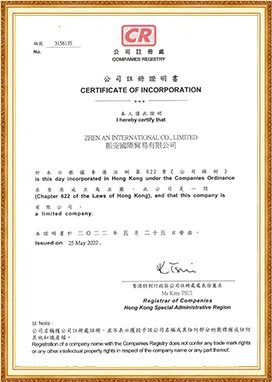
ZhenAn Metallurgy & New Materials Certificates