


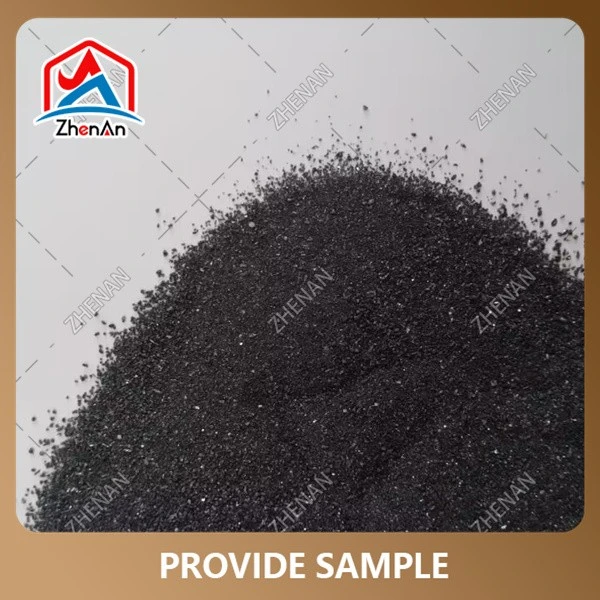
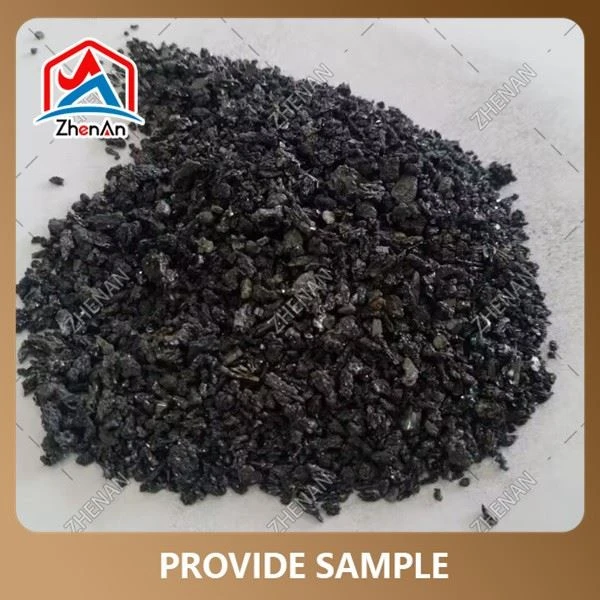
The Fiery Birth of Black Silicon Carbide
What if I told you volcanoes hold the secret to industrial progress? While black silicon carbide (SiC) isn't literally born from lava, its creation story rivals geological drama. Discovered accidentally in 1891 by American inventor Edward Acheson while attempting synthetic diamonds, this dark crystalline marvel forms when silica sand and petroleum coke fuse at 2,200°C - temperatures hotter than some volcanic eruptions. The result? Jagged black particles harder than sandpaper yet fragile enough to crumble under precise pressure, a paradox that makes it indispensable.
This "industrial diamond" revolutionized manufacturing through simple physics. With a Mohs hardness of 9.5 (diamond being 10), black SiC became the abrasive of choice for everything from polishing iPhone casings to sharpening samurai swords. Its thermal conductivity outperforms copper while remaining electrically insulating, allowing engineers to build kiln furniture that withstands repeated thermal shocks. During WWII, its heat-resistant properties even helped develop early radar systems.
silicon carbide Description
|
Trademark |
ZhenAn |
|
Product |
Silicon Carbide |
|
Purity |
88% 90% 98% |
|
Shape |
Grit and Powder |
|
HS Code |
284920 |

Quality Control
1. From raw materials' selecting, smelting, crushing, finished products' testing, packing, to pre-shipment inspecting, every step, we are all implementing strict quality control.
2. Leading ICP inspection equipment and size analysis equipment
3. Adopting international chemical testing methods
4. Compliance strictly to ISO9001 standards for production management and quality control
Hot Tags: black silicon carbide abrasive carborundum grit, China black silicon carbide abrasive carborundum grit manufacturers, suppliers, factory