



From Lab to Market: The Complex Journey of SiC Production
While Silicon Carbide's advantages are clear, its manufacturing process remains fraught with challenges. SiC crystals are grown at temperatures above 2,000°C using techniques like physical vapor transport (PVT), a slow and energy-intensive method. Defects such as micropipes and dislocations often form during growth, reducing wafer yields and increasing costs. Cutting and polishing SiC wafers also demand specialized equipment due to the material's hardness, second only to diamond. These hurdles have historically limited SiC adoption to niche applications, but advancements in epitaxial growth and wafer thinning are gradually lowering barriers.
The industry is responding with innovation. Companies like Wolfspeed and STMicroelectronics are investing in larger-diameter wafers (e.g., 200mm) to reduce costs through economies of scale. Novel doping techniques enhance electrical properties, while AI-driven quality control systems detect defects early in production. Governments are also stepping in; the EU's "Chips Act" includes funding for SiC research to reduce reliance on Asian silicon supply chains. As production scales, analysts predict a 30% annual growth in the SiC market, driven by demand from EVs and 5G networks.
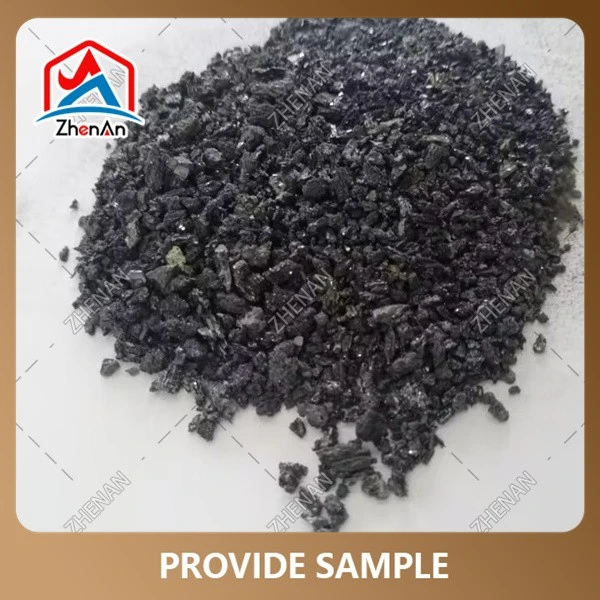
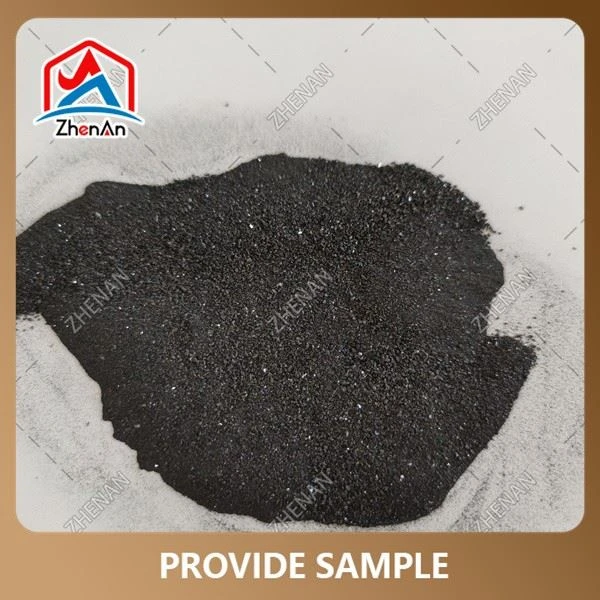
silicon carbide export information
|
Trademark |
ZhenAn |
|
Product |
Silicon Carbide |
|
Purity |
88% 90% 98% |
|
Shape |
Grit and Powder |
|
HS Code |
284920 |

star products
Electrolytic manganese metal is a single metal precipitated from manganese ore after acid leaching of manganese salts and feeding it into an electrolytic cell. It looks like iron, is in irregular flakes, is hard and brittle, has a shiny side and a rough side, and is silver-white to brown. It is silver-gray after being processed into powder.
Hot Tags: refractory material sic powder black silicon carbide, China refractory material sic powder black silicon carbide manufacturers, suppliers, factory