Can Silicon Carbon Alloy Simultaneously Control Deoxidation and Carburization in HSLA Steel?
Yes-silicon carbon alloy (Si-C alloy) is increasingly used in German HSLA steel production to address the dual challenge of simultaneous deoxidation and carburization control, particularly in Electric Arc Furnace (EAF) systems.
Traditional practice relies on separate additions of ferrosilicon (deoxidation) and carbon materials (carburization), which often leads to:
inconsistent steel chemistry
uneven carbon pickup
unstable oxygen levels in molten steel
In contrast, Si-C alloy provides a dual Si-C reaction mechanism, enabling both oxygen reduction and controlled carbon contribution in a single addition step.
This improves:
alloy yield efficiency in furnace operations
reduced oxygen and inclusions
more consistent furnace reaction behavior
better microstructure refinement in HSLA steel
What Are the Typical Specifications of Silicon Carbon Alloy?
| Parameter | Si35 Grade | Si45 Grade | Si55 High Grade |
|---|---|---|---|
| Silicon (Si) | ~35% | ~45% | ~55% |
| Carbon (C) | 10–20% | 10–25% | 10–30% |
| Form | 10–60 mm lumps | Crushed material | Controlled metallurgical lumps |
| Reaction Behavior | Moderate | Stable dual reaction | High efficiency dual reaction |
| Application | Basic steelmaking | EAF steel refining | HSLA steel production |
| Impurity Level | Medium | Low | Ultra-low |
| Furnace Stability | Medium | High | Very high |
Why Do HSLA Steel Producers Face Deoxidation and Carburization Challenges?
1. Poor Oxygen Removal in Steel
In German EAF systems:
oxygen levels fluctuate during melting
inconsistent deoxidation leads to unstable steel quality
creates risk of inclusion formation
2. Inconsistent Carburizing Results
Separate carbon addition causes:
uneven carbon distribution in molten steel
delayed carburization reaction
composition variability between heats
3. High Ferrosilicon Usage Cost
Conventional systems rely heavily on FeSi:
expensive steelmaking additive consumption
high FeSi usage cost pressure
inefficient FeSi replacement attempts
4. Alloy Loss in Molten Steel
Traditional additions cause:
slow melting alloy reaction
alloy oxidation losses
reduced recovery efficiency
How Does Silicon Carbon Alloy Solve These Problems?
1. Dual Si-C Reaction Mechanism
Silicon carbon alloy enables:
Si + O reaction in molten steel for deoxidation
simultaneous carbon release for carburization control
balanced reaction kinetics in furnace conditions
2. Improved Alloy Yield in Furnace
Compared with separate additions:
higher silicon recovery
improved alloy distribution stability
reduced alloy loss in molten steel
3. More Stable Furnace Reactions
Si-C alloy ensures:
consistent furnace reaction
reduced temperature fluctuation effects
smoother slag-metal interaction
4. Partial Substitution of Ferrosilicon
Si-C alloy acts as:
partial substitution of FeSi
alternative carbon source
cost optimization in alloying strategy
How Does Si-C Alloy Improve HSLA Steel Microstructure?
1. Microstructure Refinement
Si-C alloy supports:
finer grain formation
improved nucleation behavior
stable phase transformation during cooling
2. Improved Fluidity and Nucleation
During molten steel refining:
enhanced flow behavior
more uniform solidification
reduced segregation risk
3. Reduced Oxygen and Inclusion Levels
Cleaner steel is achieved through:
lower oxide formation
reduced inclusion clustering
improved steel cleanliness
How Do Different Silicon Carbon Alloy Grades Perform?
Si35 vs Si45 Alloy
Si35: basic dual-function performance, moderate stability
Si45: balanced deoxidation + carburization control, widely used in EAF steelmaking
Si45 is preferred for consistent HSLA production
Si45 vs Si55 High Grade Alloy
Si45: standard industrial HSLA applications
Si55: high-performance steelmaking with stronger dual reaction control
Si55 improves consistency in advanced HSLA grades
Si-C Alloy vs Ferrosilicon + Carbon System
Si-C alloy: integrated dual-function material
FeSi + carbon: separate reactions, higher inconsistency risk
Si-C reduces operational complexity and improves stability
Why Is Germany Adopting Si-C Alloy in HSLA Production?
German steelmakers prioritize:
low inclusion HSLA steel
precise carbon control in structural steel
high fatigue resistance in engineering materials
energy-efficient EAF operations
Therefore:
Si-C alloy is not just a substitute, but a process stabilization material for modern steel chemistry control
FAQ: What Do Steel Engineers Commonly Ask?
1. Can Si-C fully replace ferrosilicon and carbon additions?
Not fully, but it can significantly reduce dependence in optimized HSLA systems.
2. Does Si-C improve both oxygen and carbon control?
Yes, it enables simultaneous deoxidation and carburization control.
3. What grade is best for HSLA steel production?
Si45 and Si55 are most commonly used in German EAF systems.
4. Does Si-C improve steel cleanliness?
Yes, it reduces inclusions by stabilizing oxygen reactions.
5. Why is reaction consistency important in EAF?
Because inconsistent reactions lead to unstable steel composition and microstructure.
6. Is Si-C more cost-efficient than FeSi?
Yes, due to improved alloy yield and reduced consumption of separate additives.
What Is the Industry Direction in HSLA Steelmaking?
European HSLA steel production is moving toward:
dual-function alloying systems (Si + C integration)
reduced dependence on ferrosilicon
improved furnace reaction stability
microstructure-controlled steel design
cost-optimized alloying strategies
The core direction is clear: silicon carbon alloy is becoming a key solution for simultaneous deoxidation and carburization control in modern HSLA steel production systems.

Where to Source Stable Silicon Carbon Alloy for Steel Plants?
We supply metallurgical silicon carbon alloy for steel plant applications, designed for EAF HSLA production with stable dual reaction performance, controlled composition, and consistent furnace behavior.
📧 Email: market@zanewmetal.com
📱 WhatsApp: +86 15518824805
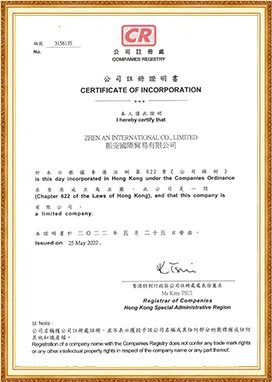
ZhenAn Metallurgy & New Materials Certificates