Why Do Nordic Offshore Corrosion Projects Use 99.99% Zinc Wire? How Does High Purity Material Affect Corrosion Resistance?
1. Background: Extreme Corrosion Conditions in Nordic Offshore Environments
Nordic offshore regions such as Norway, Denmark, and the North Sea expose marine structures to low temperatures, high salt spray, strong waves, and seasonal icing. These combined conditions significantly accelerate electrochemical corrosion of steel structures.

In this context, thermal spray zinc becomes a key technology in offshore corrosion protection systems. Material purity, especially 99.99% high purity zinc wire, is a critical selection factor.
2. Key Issue: Why Low-Purity Zinc Is Insufficient for Offshore Applications
2.1 Impurities Affect Electrochemical Stability
Common impurities such as iron, lead, and cadmium in industrial zinc wire alter electrochemical potential behavior. In seawater environments, this leads to localized corrosion acceleration.
2.2 Uneven Corrosion Consumption Rate
Low-purity zinc shows uneven consumption when acting as a sacrificial anode, leading to under-protection or excessive localized consumption.
2.3 Increased Coating Structural Defects
Impurities affect molten zinc flow and atomization behavior, increasing coating porosity.
3. Key Advantages: Functional Mechanism of 99.99% Zinc Wire in Offshore Use
3.1 Improved Cathodic Protection Stability
High purity zinc wire provides a more stable electrode potential, delivering consistent cathodic protection performance in seawater environments.
3.2 Improved Melting and Atomization Consistency
99.99% zinc wire exhibits more stable melting behavior during thermal spraying, producing a more uniform particle distribution.
3.3 Reduced Coating Porosity and Defects
High purity material reduces oxidation side reactions, enabling denser coating structures and improving barrier protection performance.
3.4 Extended Maintenance Interval for Offshore Structures
Because corrosion consumption is more uniform, coating degradation is delayed, reducing long-term maintenance frequency.
4. Application: Material Selection Logic in Nordic Offshore Projects
In Nordic offshore projects, zinc wire is used in offshore wind foundations, offshore platforms, subsea pipelines, and coastal infrastructure protection systems.
5. Conclusion: High Purity Is a Fundamental Variable for Offshore Corrosion Reliability
The primary reason Nordic offshore projects use 99.99% zinc wire is its significant impact on electrochemical behavior and coating structural stability. Compared to standard industrial zinc, high purity material provides a more controllable corrosion consumption mechanism.
Third-party inspection available
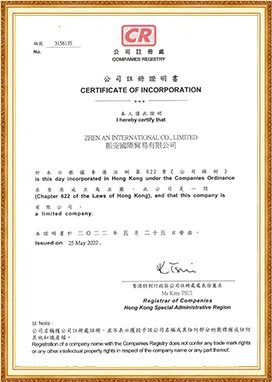
ZhenAn Metallurgy & New Materials Certificates