Ferro Silicon Nitride (FeSiN) is a composite metallurgical material produced by controlled nitridation of ferrosilicon. It combines the reducing capability of silicon, the strengthening effect of nitrogen, and the structural stability of iron-based alloys. It is widely used in modern steelmaking and refractory systems where high thermal resistance, slag corrosion resistance, and thermal shock stability are required.
This material is especially important in blast furnace tapping systems, torpedo ladles, ladle castables, and runner refractories, where conventional ferrosilicon or alumina-based additives cannot meet long-term stability requirements.
What is Ferro Silicon Nitride (FeSiN) and Its Industrial Role?
Ferro silicon nitride is a nitrogen-containing alloy formed when ferrosilicon reacts with nitrogen under controlled temperature and atmosphere. The result is a multi-phase material containing Si3N4, Fe, and residual Si phases.
Its industrial role is primarily as a refractory performance enhancer. It improves oxidation resistance, reduces slag penetration, and enhances mechanical strength at elevated temperatures.
The production of FeSiN typically involves a controlled nitridation process:
Raw material selection: High-purity ferrosilicon (typically 75%–90% Si content)
Crushing and sizing: Ferrosilicon is crushed into controlled particle sizes
Nitridation reaction: Exposure to nitrogen (N2) gas at 1200–1400°C
Phase transformation: Formation of silicon nitride (Si3N4) within FeSi matrix
Cooling and stabilization: Prevents oxidation and maintains nitrogen content
Grinding: Final powder or granular form depending on application

Ferro Silicon Nitride Grades and Composition (FeSiN Specification)
Common industrial grades are defined by nitrogen and silicon content balance:
FeSiN-20N: Nitrogen 20% min, Si 40–50%
FeSiN-25N: Nitrogen 25% min, Si 45–55%
FeSiN-30N: High-grade refractory use, nitrogen ≥30%
Impurity control is critical. Low Al, Ca, and C content ensures better refractory bonding performance.
Technical Properties of Ferro Silicon Nitride Powder
High refractoriness (>1800°C stability range)
Excellent slag corrosion resistance
Improved thermal shock resistance
Controlled oxidation behavior
Enhanced bonding in Al2O3-SiC-C systems

Applications of Ferro Silicon Nitride in Steelmaking Industry
FeSiN is widely used in steel metallurgy due to its stability in extreme environments:
- Blast furnace tap hole clay (taphole mass)
- Runner and launder castables
- Ladle lining refractories
- Iron tapping channel repair materials
It improves erosion resistance caused by molten iron and slag, extending furnace service life.
Applications in Refractory and Foundry Systems
Beyond steelmaking, FeSiN is used in advanced refractory systems:
- Al2O3-SiC-C bricks
- High-performance monolithic refractories
- Casting tundish lining materials
- Non-ferrous metallurgy furnace linings
Comparison: Ferro Silicon Nitride vs Ferrosilicon
| Property | FeSi | FeSiN |
|---|---|---|
| Nitrogen Content | None | 10–30% |
| Thermal Stability | Medium | High |
| Slag Resistance | Moderate | Excellent |
| Application | Deoxidizer | Refractory additive |
Difference Between FeSiN and Silicon Nitride (Si3N4)
Silicon nitride (Si3N4) is a pure ceramic material, while FeSiN is a composite alloy containing iron and residual silicon phases. FeSiN is easier to integrate into metallurgical systems, while Si3N4 is used in advanced ceramics and precision engineering components.
Ferro Silicon Nitride Powder Size and Particle Distribution
Particle size significantly affects performance in refractory systems:
- 0–1 mm: Fine refractory mixing
- 1–3 mm: Standard ladle applications
- 3–10 mm: Blast furnace repair materials
- Powder form (≤200 mesh): Special castable formulations
How Ferro Silicon Nitride Powder is Packed and Shipped
Proper packaging is essential to prevent oxidation and nitrogen loss:
- 25 kg PP woven bags with inner PE liner
- 1-ton jumbo bags for bulk transport
- Sealed steel drums for moisture-sensitive grades
Shipping conditions typically include dry container transport with moisture protection and controlled stacking to avoid particle degradation.
Procurement Guidelines for Ferro Silicon Nitride
- Confirm nitrogen content requirement (20–30%)
- Check particle size compatibility with refractory system
- Ensure low impurity specification (Al, Ca, C)
- Request COA and batch consistency report
- Evaluate slag resistance performance data
FAQ – Ferro Silicon Nitride (FeSiN)

Q1: What is Ferro Silicon Nitride used for?
A: It is mainly used in steelmaking refractories, especially in blast furnace taphole clay, ladle linings, and high-temperature castables to improve erosion resistance and thermal stability.
Q2: What is the typical nitrogen content in FeSiN?
A: Industrial grades usually range from 10% to 30% nitrogen depending on application requirements. Higher nitrogen improves refractory performance.
Q3: Is FeSiN better than ferrosilicon?
A: Yes for refractory applications. FeSiN offers significantly better slag resistance and thermal shock stability compared to ferrosilicon.
Q4: What particle size is commonly used?
A: 0–3 mm is most common, while finer powder (≤200 mesh) is used in specialized castables.
Q5: Can FeSiN be used in non-ferrous metallurgy?
A: Yes, it is used in aluminum and copper furnace linings due to its high temperature resistance.
Q6: What is the main advantage of nitrogen in FeSiN?
A: Nitrogen improves bonding strength and forms silicon nitride phases that enhance thermal and chemical stability.
Q7: How is FeSiN produced industrially?
A: It is produced by nitriding ferrosilicon under controlled high-temperature nitrogen atmosphere.
Q8: What is the storage requirement?
A: It must be stored in dry, sealed conditions to prevent moisture absorption and oxidation.
Q9: What industries use FeSiN most?
A: Steelmaking, foundry, and refractory manufacturing industries are the primary users.
Q10: What is the shelf life of FeSiN powder?
A: Typically 6–12 months under dry and sealed storage conditions.

Contact – Ferro Silicon Nitride (FeSiN)
Email: market@zanewmetal.com | WhatsApp: +86 15518824805
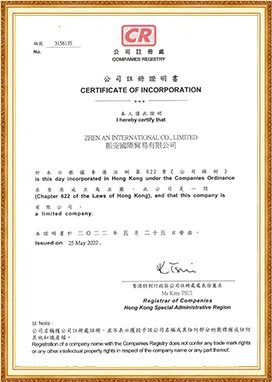
ZhenAn Metallurgy & New Materials Certificates