


What Is the Difference Between FeV50 and FeV80?
The key difference between FeV50 and FeV80 lies in vanadium content, alloying efficiency, impurity control, and application level. FeV80 contains 78–82% vanadium, offering higher alloying efficiency and better performance in high-grade steel production, while FeV50 contains 48–52% vanadium, making it a more cost-effective option for general steelmaking. In practice, FeV80 is used where precision, strength, and consistency are critical, whereas FeV50 is selected for bulk production with tighter cost control.
Ferro Vanadium Specifications Comparison
| Parameter | FeV80 | FeV50 |
|---|---|---|
| Vanadium (V%) | 78–82 | 48–52 |
| Carbon (C%) | ≤0.5 | ≤0.8 |
| Silicon (Si%) | ≤1.5 | ≤2.5 |
| Phosphorus (P%) | ≤0.05 | ≤0.08 |
| Sulfur (S%) | ≤0.03 | ≤0.05 |
| Aluminum (Al%) | ≤2.0 | ≤3.0 |
| Size | 10–50 mm (common) | 10–50 mm / smaller sizes |
| Application | High-grade steel | General steelmaking |
| Cost Level | Higher | Lower |
Core Differences Between FeV50 and FeV80
1. Vanadium Content and Alloying Efficiency
FeV80 contains significantly higher vanadium content, which means less material is required to achieve the same alloying effect. This improves dosing accuracy and reduces variability in steel composition. In contrast, FeV50 requires a higher addition rate, which may increase slag volume and reduce overall efficiency in high-performance applications.
2. Steel Performance and Application Level
FeV80 is used in high-strength low-alloy (HSLA) steel, automotive steel, pipeline steel, and tool steel, where mechanical properties such as strength, toughness, and fatigue resistance must meet strict standards. FeV50 is typically used in construction steel, rebar, and general alloy steel, where performance requirements are less demanding and cost control is more important.
3. Impurity Levels and Steel Cleanliness
FeV80 generally has lower impurity limits, resulting in cleaner steel with fewer inclusions. This is critical for high-end applications. FeV50 has relatively higher allowable impurity levels, which may slightly affect steel cleanliness but is acceptable for standard industrial use.
4. Cost vs Performance Trade-Off
FeV80 has a higher price per ton but offers better cost efficiency per unit of vanadium due to its higher content and recovery rate. FeV50 has a lower upfront cost, making it suitable for large-scale, cost-sensitive production, even though its overall alloying efficiency is lower.
Extended Comparison: FeV80 vs FeV60 vs FeV50
FeV80 vs FeV60
FeV80 provides maximum alloying efficiency and best metallurgical control, making it ideal for high-performance steel. FeV60 offers a balance between cost and performance, commonly used in medium-grade alloy steels where some cost optimization is required.
FeV80 vs FeV50
FeV80 is preferred for precision alloying and high-strength applications, delivering superior steel properties and consistency. FeV50 is mainly used in bulk steel production, where cost savings outweigh the need for top-tier performance.
FeV60 vs FeV50
FeV60 delivers better recovery rate and cleaner steel compared to FeV50, while FeV50 remains the most economical choice for large-volume production with moderate requirements.
Summary
FeV80 and FeV50 differ primarily in vanadium content, performance level, and cost structure. FeV80 is the preferred choice for high-grade steel and precision applications, offering higher efficiency and cleaner results. FeV50 is suitable for general steelmaking, where cost control is the main priority. Selecting the right grade depends on steel quality requirements, production process, and budget considerations.
FAQ – FeV50 vs FeV80
1. Which is better, FeV50 or FeV80?
FeV80 is better for high-performance steel, while FeV50 is better for cost-sensitive applications.
2. Why does FeV80 cost more?
Because it has higher vanadium content and lower impurities, making it more efficient and higher quality.
3. Can FeV50 replace FeV80?
In general steelmaking, yes. But for high-strength steel, FeV80 is required.
4. Which grade has better recovery rate?
FeV80 typically provides a higher vanadium recovery rate in steelmaking.
5. Is FeV50 suitable for HSLA steel?
It can be used, but FeV80 is preferred for better performance and consistency.
6. How to choose between FeV50 and FeV80?
Based on steel grade requirements, cost budget, and alloying precision needs.
Get Competitive Ferro Vanadium Supply
We supply FeV80, FeV60, and FeV50 with stable composition, low impurities, and consistent quality for global steel manufacturers.
📧 Email: market@zanewmetal.com
📱 WhatsApp: +86 15518824805
✔ High recovery rate and stable performance
✔ Strict quality control and customizable specifications
✔ Bulk supply with fast international delivery
👉 Contact us today for quotation, samples, and technical support.
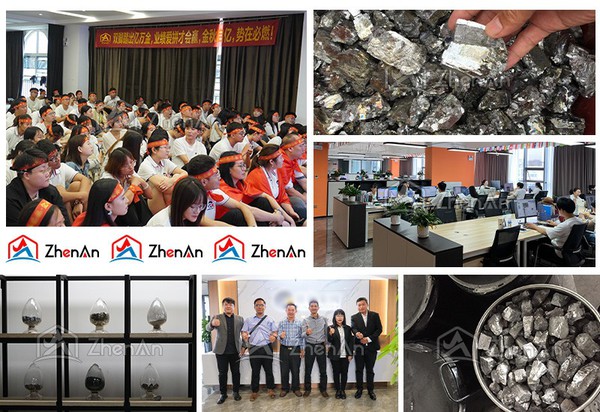
Trusted Ferrovanadium Supplier – Quality · Experience · Stable Supply
All ferrovanadium (FeV) products are produced under strict ISO9001 quality management systems and verified by third-party inspection. COA, SDS, and REACH documents are available to ensure smooth international trade.
01
30+ Years of Experience
With over three decades in ferroalloy production, ZhenAn has deep expertise in ferrovanadium applications in alloy steel, tool steel, and high-strength structural steel.
02
Stable Composition & Performance
Strict control of vanadium content and impurities (C, Si, P, S, Al) ensures consistent alloying performance, improving strength, toughness, and wear resistance in steelmaking.
03
Reliable Supply & Flexible Specifications
Stable production capacity supports long-term cooperation. Multiple grades (FeV50, FeV60, FeV80) and customized sizes/packaging are available to meet different steel plant requirements.
04
Fast Response & Technical Support
24-hour quotation service with professional technical guidance to support your alloy selection and optimize metallurgical performance.