Nickel wire is a high-purity industrial metal product widely used in electrical engineering, battery manufacturing, chemical processing, thermal spraying, aerospace technology, and advanced manufacturing industries. Its unique combination of conductivity, corrosion resistance, and thermal stability makes it an indispensable material in modern industrial systems.
As industries continue demanding longer equipment life, higher operational reliability, and greater energy efficiency, nickel wire has become increasingly important in both electrical and chemical applications worldwide.
What Is Nickel Wire?
Nickel wire is manufactured from commercially pure nickel or high-nickel alloys through melting, casting, rolling, drawing, and annealing processes. The most common pure nickel grades are Nickel 200 (Ni200) and Nickel 201 (Ni201), both containing approximately 99.6% nickel.
Pure nickel exhibits excellent resistance to oxidation, alkaline corrosion, and elevated temperatures, making it suitable for demanding industrial environments.
How Is Nickel Wire Produced?
The manufacturing process of industrial nickel wire includes several precision-controlled metallurgical operations:
- Electrolytic nickel refining
- Vacuum induction melting
- Continuous casting into rods
- Hot rolling and cold drawing
- Intermediate annealing treatment
- Surface cleaning and bright finishing
- Final inspection and packaging
Strict quality control ensures consistent chemical composition, dimensional accuracy, and mechanical performance.
Why Is Nickel Wire Important in the Electrical Industry?
The electrical industry requires materials that can maintain stable conductivity while resisting oxidation, heat, and environmental degradation. Nickel wire fulfills these requirements exceptionally well.
Excellent Electrical Conductivity
Nickel provides stable electrical performance over long service periods, making it suitable for electrical connectors, lead wires, and conductive components.
High Temperature Stability
Unlike many conductive metals, nickel maintains structural integrity and electrical performance under elevated operating temperatures.
Oxidation Resistance
Nickel develops a stable protective oxide layer that helps preserve electrical functionality in challenging environments.
Long Service Life
Its resistance to wear and corrosion reduces maintenance requirements and improves operational reliability.
Main Electrical Industry Applications
| Application | Function | Benefit |
|---|---|---|
| Lithium Battery Packs | Cell Interconnection | Stable conductivity |
| Electronic Components | Lead Wires | Oxidation resistance |
| Sensors | Signal Transmission | Reliable performance |
| Electrical Connectors | Current Transfer | Long service life |
| Resistance Elements | Heat Generation | High-temperature operation |
Why Is Nickel Wire Important in the Chemical Industry?
Chemical processing environments often involve corrosive chemicals, high temperatures, and continuous operation. Nickel wire performs exceptionally well under these conditions due to its unique metallurgical characteristics.
Outstanding Alkali Resistance
Pure nickel exhibits excellent resistance to sodium hydroxide, potassium hydroxide, and other alkaline solutions commonly used in chemical plants.
Corrosion Resistance
Nickel remains stable in many aggressive industrial environments, reducing equipment degradation and maintenance costs.
Thermal Stability
Chemical processing equipment frequently operates at elevated temperatures where nickel maintains its mechanical and chemical integrity.
Extended Equipment Life
The durability of nickel-based materials contributes to lower lifecycle costs and improved process reliability.

Main Chemical Industry Applications
| Application Area | Use of Nickel Wire |
|---|---|
| Caustic Soda Production | Corrosion-resistant components |
| Chemical Reactors | Internal structures and fittings |
| Filtration Systems | Filter media support |
| Catalyst Systems | Support structures |
| Chemical Instrumentation | Precision components |
Nickel Wire Grades Commonly Used in Industry
| Grade | Nickel Content | Main Advantage | Typical Industry |
|---|---|---|---|
| Ni200 | ≥99.6% | Excellent conductivity | Electrical & battery |
| Ni201 | ≥99.6% | Lower carbon content | Chemical processing |
Technical Properties of Pure Nickel Wire
| Property | Typical Value |
|---|---|
| Nickel Purity | 99.5%–99.9% |
| Melting Point | 1455°C |
| Density | 8.90 g/cm³ |
| Magnetic Property | Ferromagnetic |
| Corrosion Resistance | Excellent |
| Oxidation Resistance | Excellent |
Nickel Wire vs Copper Wire
| Property | Nickel Wire | Copper Wire |
|---|---|---|
| Electrical Conductivity | Good | Very High |
| Corrosion Resistance | Excellent | Moderate |
| Oxidation Resistance | Excellent | Moderate |
| High Temperature Use | Excellent | Limited |
Nickel Wire vs Stainless Steel Wire
| Property | Nickel Wire | Stainless Steel Wire |
|---|---|---|
| Alkaline Resistance | Excellent | Moderate |
| Electrical Conductivity | Higher | Lower |
| Oxidation Resistance | Excellent | Good |
| Chemical Stability | Superior | Good |
Procurement Guide for Industrial Buyers
When selecting nickel wire for electrical or chemical applications, procurement teams should evaluate:
- Nickel grade selection (Ni200 or Ni201)
- Wire diameter and tolerance requirements
- Operating temperature range
- Chemical exposure conditions
- Electrical conductivity requirements
- Mechanical strength specifications
- Quality certifications and COA availability
Application-based material selection is critical for maximizing performance and minimizing operational costs.
FAQ
Why is nickel wire used in electrical applications?
Because it combines stable conductivity, oxidation resistance, and high-temperature performance.
Why is nickel wire suitable for chemical plants?
It offers excellent resistance to alkaline solutions and many corrosive industrial environments.
What industries use pure nickel wire?
Battery manufacturing, electronics, chemical processing, aerospace, thermal spraying, and metallurgy.
What is the difference between Ni200 and Ni201?
Ni201 contains lower carbon content and is often preferred in higher-temperature chemical applications.
Can nickel wire withstand corrosion?
Yes. Pure nickel provides outstanding corrosion and oxidation resistance.
Is nickel wire used in lithium batteries?
Yes. It is widely used for battery tab connections and cell interconnections.
Can nickel wire be used at high temperatures?
Yes. It maintains excellent stability in elevated-temperature environments.
What diameter sizes are available?
Nickel wire is available in various diameters depending on industrial requirements.
Does nickel wire have good conductivity?
Yes. While lower than copper, it provides stable conductivity with superior environmental resistance.
How can I request a quotation?
Please provide grade, diameter, quantity, and application information for an accurate quotation.

Contact Information
ZhenAn International
Email: market@zanewmetal.com
WhatsApp: +86 15518824805
Professional Supplier of Pure Nickel Wire, Nickel Alloy Wire, and Specialty Metal Materials for Global Industrial Applications.
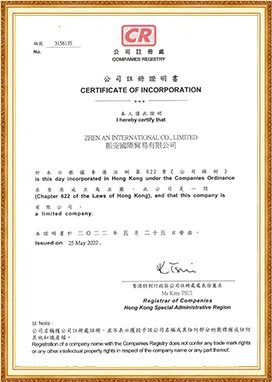
ZhenAn Metallurgy & New Materials Certificates