


Silicon Carbon Alloy Composite Deoxidizer for Steelmaking
Silicon Carbon Alloy Composite Deoxidizer is a cost-effective steelmaking additive used in molten steel deoxidation and alloy optimization. It combines silicon and carbon in one alloy material to improve deoxidation efficiency, increase silicon recovery, reduce alloy consumption, and partially replace ferrosilicon in electric arc furnace (EAF) and induction furnace steel production.
Compared with traditional ferrosilicon, silicon carbon alloy offers:
Lower alloying cost
Faster deoxidation reaction
Additional carburizing effect
Reduced slag generation
Better performance in cost-sensitive steel production
It is widely used in:
EAF steelmaking
Induction furnace steel production
Foundry applications
Cast iron production
Alloy steel manufacturing
Carbon steel deoxidation

What Is Silicon Carbon Alloy?
Silicon carbon alloy is a composite metallurgical material mainly composed of silicon and carbon. It is produced through high-temperature smelting and controlled composition processing.
The material functions as:
A steel deoxidizer
A silicon additive
A carburizing auxiliary material
A partial ferrosilicon replacement
In modern steelmaking, many steel plants use silicon carbon alloy to reduce ferrosilicon consumption while maintaining effective oxygen removal performance.
Silicon carbon alloy combines deoxidation and carburization functions in one metallurgical additive.
Silicon-carbon composite deoxidizers are widely used in EAF steelmaking to optimize alloy cost and improve furnace efficiency.
Silicon Carbon Alloy Chemical Composition
Standard Chemical Composition Table
| Grade | Si (%) | C (%) | Al (%) | S (%) | P (%) |
|---|---|---|---|---|---|
| SiC45 | 45-50 | 15-18 | ≤3.0 | ≤0.05 | ≤0.05 |
| SiC55 | 55-60 | 15-20 | ≤3.0 | ≤0.05 | ≤0.05 |
| SiC65 | 65-68 | 18-20 | ≤3.0 | ≤0.05 | ≤0.05 |
The silicon content directly affects deoxidation efficiency, while the carbon content contributes to carburization and thermal stability during steelmaking operations.
Higher silicon grades are generally preferred in high-strength steel production and low-oxygen steelmaking environments.
Silicon Carbon Alloy Specifications
Physical Specifications
| Item | Specification |
|---|---|
| Material Form | Lump / Granule |
| Size Range | 0-3 mm |
| 3-10 mm | |
| 10-50 mm | |
| 10-100 mm | |
| Color | Dark Gray / Metallic |
| Packing | 1 MT Jumbo Bag |
| Moisture | Low Moisture Content |
Customized particle size can be supplied according to steel plant feeding systems and furnace requirements.
Metallurgical Functions of Silicon Carbon Alloy
Deoxidation Function
Silicon Carbon Alloy acts as an effective deoxidizer in molten steel.
Silicon reacts rapidly with dissolved oxygen to form silicon oxides, reducing oxygen activity inside the molten steel bath.
This process helps:
Improve steel cleanliness
Reduce oxide inclusions
Enhance steel quality consistency
Improve casting performance
Direct-answer statement:
Silicon Carbon Alloy is widely used to reduce oxygen content in molten steel during EAF and converter steelmaking.
Carburizing Effect
The carbon content inside High Carbon Silicon contributes to carburization during smelting.
This helps steel plants reduce additional carburizer consumption in some production processes.
The combined silicon-carbon structure also improves alloy absorption efficiency compared with certain conventional ferroalloys.
Slag Optimization
Silicon Carbon Alloy contributes to slag fluidity optimization during steelmaking.
Improved slag behavior can help:
Accelerate impurity removal
Stabilize furnace operation
Improve tapping efficiency
Silicon Carbon Alloy Applications
EAF Steelmaking
Silicon Carbon Alloy is commonly used in electric arc furnace steelmaking because it provides both deoxidation and carburizing functions simultaneously.
EAF steel plants frequently use High Carbon Silicon to:
Reduce ferrosilicon consumption
Lower alloy cost
Improve alloy recovery rate
Reduce steelmaking oxygen levels
Direct-answer statement:
Silicon Carbon Alloy is suitable for EAF steelmaking due to its combined deoxidation and carbon addition capability.
Converter Steelmaking
In converter steelmaking, Silicon Carbon Alloy can be added during tapping and refining stages.
The material helps improve molten steel stability and reduce secondary oxidation risks.
Foundry Industry
Foundries use Silicon Carbon Alloy in gray iron and ductile iron production.
The material can help:
Improve graphitization
Stabilize chemical composition
Reduce alloying cost
Structural Steel Production
High Carbon Silicon is widely applied in structural steel manufacturing where cost-efficient deoxidation is required.
It is commonly used in:
Construction steel
Reinforcing bar production
Section steel manufacturing
General carbon steel production
Silicon Carbon Alloy vs Ferrosilicon
Can Silicon Carbon Alloy Replace Ferrosilicon?
Yes. Silicon Carbon Alloy can partially replace ferrosilicon in many steelmaking processes.
The replacement ratio depends on:
Silicon requirement
Carbon control
Steel grade
Furnace process
Direct-answer statement:
Silicon Carbon Alloy is commonly used as a low-cost substitute for ferrosilicon in carbon steel production.
Comparison Table
| Property | Silicon Carbon Alloy | Ferrosilicon |
|---|---|---|
| Main Elements | Si + C | Si + Fe |
| Deoxidation Ability | Strong | Strong |
| Carbon Addition | Yes | Minimal |
| Cost Efficiency | Higher | Moderate |
| Alloy Recovery | Good | Stable |
| Steelmaking Cost | Lower | Higher |
| EAF Suitability | Excellent | Excellent |
Ferrosilicon remains important in low-carbon steel grades where carbon control is extremely strict.
However, Silicon Carbon Alloy provides economic advantages in many conventional steelmaking applications.
Silicon Carbon Alloy vs Silicon Carbide
| Property | Silicon Carbon Alloy | Silicon Carbide |
|---|---|---|
| Main Use | Deoxidizer | Carburizer + Deoxidizer |
| Silicon Content | Medium to High | High |
| Carbon Content | Medium | Higher |
| Cost | Lower | Higher |
| Furnace Adaptability | Wide | Specialized |
| Steelmaking Usage | Common | Selective |
Silicon Carbide is often used in specialized foundry and high-performance steelmaking applications, while Silicon Carbon Alloy is more commonly used in cost-sensitive steel production.
Advantages of Silicon Carbon Alloy
Reduced Steelmaking Cost
Silicon Carbon Alloy helps steel mills lower total ferroalloy consumption cost.
The material provides:
Lower raw material cost
Reduced alloy addition volume
Improved alloy utilization efficiency
Improved Alloy Recovery
The combined silicon-carbon structure contributes to stable metallurgical absorption.
This helps improve effective silicon recovery during steelmaking operations.
Flexible Industrial Application
Silicon Carbon Alloy can be used in multiple steelmaking environments, including:
EAF furnaces
Induction furnaces
Converter systems
Foundry melting systems
Suitable for Large-Scale Steel Production
High Carbon Silicon is widely used in industrial-scale steel production because it supports:
Stable supply
Continuous alloy feeding
Bulk steelmaking operations
Industrial Use Scenarios
Scenario 1: Cost Reduction in EAF Steel Plants
Many EAF steel plants use Silicon Carbon Alloy to reduce ferrosilicon addition cost while maintaining acceptable deoxidation performance.
This is especially common in:
Construction steel production
Rebar manufacturing
Billet production
Scenario 2: Foundry Alloy Optimization
Foundries use High Carbon Silicon to optimize silicon and carbon balance simultaneously during iron casting operations.
Scenario 3: Ferroalloy Consumption Reduction
Steel plants facing high ferroalloy prices may partially substitute ferrosilicon with Silicon Carbon Alloy to improve economic efficiency.
FAQ
What is Silicon Carbon Alloy used for?
Silicon Carbon Alloy is mainly used as a deoxidizer and alloy additive in steelmaking and foundry production.
Can Silicon Carbon Alloy replace ferrosilicon?
Yes. Silicon Carbon Alloy can partially replace ferrosilicon in many steelmaking applications, especially in carbon steel and structural steel production.
Is High Carbon Silicon suitable for EAF steelmaking?
Yes. High Carbon Silicon is widely used in EAF steelmaking because it provides both silicon and carbon addition functions.
What is the silicon content of Silicon Carbon Alloy?
The silicon content typically ranges from 45% to 68%, depending on the grade.
What industries use Silicon Carbon Alloy?
Industries using Silicon Carbon Alloy include:
Steelmaking
Foundry casting
Ferroalloy processing
Structural steel manufacturing
Conclusion
Silicon Carbon Alloy is an important composite metallurgical material used in modern steelmaking and foundry production.
The material combines:
Effective deoxidation capability
Carbon addition function
Cost-efficient alloying performance
Flexible industrial applicability
High Carbon Silicon is widely recognized as a practical alternative to traditional ferroalloys in many carbon steel and EAF steelmaking processes.
As steel plants continue focusing on cost optimization and alloy efficiency, Silicon Carbon Alloy remains an increasingly important material in industrial metallurgical operations.
Third-party inspection available
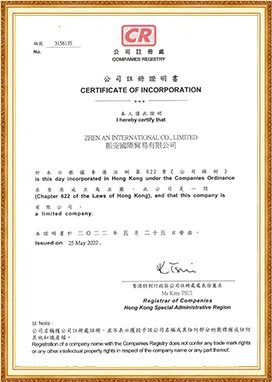
ZhenAn Metallurgy & New Materials Certificates



Hot Tags: silicon-carbon alloy composite deoxidizer, China silicon-carbon alloy composite deoxidizer manufacturers, suppliers, factory, Silicon Powder 600mesh, Powder High Purity Silicon 400 mesh, In Powdered Form Silicon 98, ferrosilicon powder 98 8, In Powdered Form Silicon 200 mesh, High Purity Silicon Metal Powder 98 8