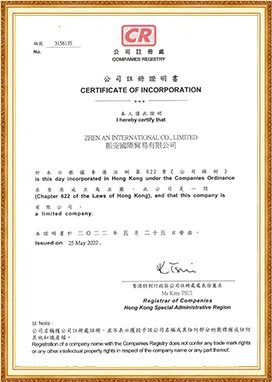
Introduction: Welcome to the technical industrial brief by ZhenAn, an internationally recognized ferrosilicon supplier and integrated ferrosilicon alloy manufacturer with decades of expertise in submerged arc furnace refining. This report focuses on the strategic evaluation of FeSi70 vs FeSi65 within advanced steelmaking, detailing their performance impacts on melt chemistry control and cost structures. Finding the exact balance between active silicon recovery and trace element regulation remains a vital challenge for metallurgical plants. For corporate procurement, mill test certificates, or specific bulk material pricing on Ferrosilicon Lump or Ferrosilicon Powder variants, contact our technical desk at Email: market@zanewmetal.com or WhatsApp/WeChat: +86 15518824805.
What is Metallurgical Ferrosilicon and Why is it the Preferred Industry Choice?
Ferrosilicon is an engineered ferroalloy consisting principally of silicon and iron, synthesized via the high-temperature carbothermic reduction of silica. This critical FeSi Alloy serves as a primary high-efficiency steelmaking deoxidizer FeSi and alloying agent globally. Its specialized physical structure makes it the premier industry choice for removing dissolved oxygen, controlling graphite morphology, and fine-tuning tensile parameters across high-stress structural carbon steels and electrical steel sheets.
How Do Refineries Process Raw Materials to Manufacture High-Grade FeSi Alloy Grains?
At ZhenAn, the pyrometallurgical synthesis of metallurgical grade FeSi relies on deep automated monitoring inside high-capacity electric submerged arc furnaces. The processing methodology is divided into these technical milestones:
- Charge Setup: Precise ratios of crystalline quartz (SiO2), high-grade iron ore or clean steel turnings, and carbonaceous reductants (such as low-ash semi-coke) are loaded into the furnace bins.
- Smelting Kinetics: Heavy electrode currents elevate the furnace core past 1850°C, causing the raw quartz to reduce and form liquid silicon, which quickly alloys with the molten iron pool.
- Slag Treatment: The liquid melt undergoes ladle refining where gas flushing removes trace aluminum and calcium impurities, making it highly effective for specialized applications.
- Crushing Operations: After cooling in thick casting beds to minimize element segregation, the material is processed into specific sizes, yielding both structural Ferrosilicon Lump (e.g., 10-50mm) and high-density Ferrosilicon Powder for metallurgy.
What Do the Technical Grade Specifications Reveal About Commercial Ferrosilicon Classifications?
Commercial ferrosilicon is categorized by the specific weight percentage of its core silicon matrix. The table below outlines the precise chemical boundaries established under current international ISO and ASTM standard testing methods:
| Alloy Identifier | Silicon (Si) Range | Aluminum (Al) Max | Carbon (C) Max | Phosphorus (P) Max | Sulfur (S) Max |
|---|---|---|---|---|---|
| FeSi 75 (High Purity) | 74.0% – 80.0% | 1.5% | 0.10% | 0.04% | 0.02% |
| FeSi 72 (Standard Alloy) | 72.0% – 74.0% | 2.0% | 0.15% | 0.04% | 0.02% |
| FeSi 70 (Medium Range) | 68.0% – 72.0% | 2.0% | 0.15% | 0.04% | 0.02% |
| FeSi 65 (Basic Range) | 63.0% – 67.0% | 2.5% | 0.20% | 0.04% | 0.02% |
What Key Technical Parameters Guide the Performance of Ductile Iron FeSi?
To achieve high structural integrity, foundries tracking Ductile Iron FeSi performance monitor several key physical and thermal variables:
- Melting Thermal Range: Typically balances between 1210°C and 1260°C. Lower melting boundaries ensure rapid dissolution across ladles, minimizing thermal loss.
- True Material Density: Ranges from 6.2 g/cm³ to 6.6 g/cm³ for FeSi65, and up to 6.9 g/cm³ for FeSi70. Higher bulk densities keep the alloy immersed below the slag line, maximizing elemental contact.
- Sizing Uniformity: Fine control over structural ranges prevents blockages in automated batching systems and reduces raw material losses caused by fine particles drifting out in extraction chimneys.
Why Does the Modern Chemical Industry Rely on Heavy Media Powdered Ferrosilicon?
In addition to traditional casting applications, specialized ferrosilicon serves as a critical component in the chemical and mineral processing industries. High-grade FeSi powder for metallurgy is frequently used to formulate heavy-media suspension slurries. These dense mixtures allow diamond, base metal, and recycling facilities to accurately sort elements using sink-float gravity principles. Furthermore, its reliable magnetic properties allow the alloy to be recovered easily via magnetic drums, keeping processing costs down over long production runs.
How Does a Ferrosilicon Deoxidizer Protect Steel Quality in Basic Oxygen Furnaces?
During secondary ladle metallurgy, using a reliable steelmaking deoxidizer FeSi is essential for turning harmful dissolved oxygen gases into solid silicon dioxide micro-clusters. This chemical reaction follows a strict equilibrium:
[Si] + 2[O] ⇌ SiO₂(s).
These lightweight silica structures float up into the slag layer, preventing subsurface blowholes, gas pockets, and hot-shortness cracking during continuous billet casting. This deep deoxidation ensures high internal cleanliness and reliable mechanical properties in the finished metal.
How do Operational Parameters Change When Evaluating FeSi70 vs FeSi65 for Low-Silicon Steel?
When engineering low-silicon steel grades (where final silicon levels must stay below 0.15% to 0.20%), selecting between FeSi70 vs FeSi65 requires balancing target alloy limits with cost controls:
- FeSi70 vs FeSi65 (Silicon Control Sensitivity): FeSi65 delivers 63-67% silicon, offering a gentler concentration curve that reduces the risk of accidental over-alloying in narrow low-silicon windows. FeSi70 features a higher silicon concentration (68-72%), requiring more precise ladle weighing systems to avoid exceeding target limits.
- FeSi70 vs FeSi65 (Thermal Performance): FeSi70 generates a stronger exothermic reaction upon dissolution, which helps maintain higher bath temperatures. FeSi65 introduces more iron into the ladle, resulting in a lower exothermic output per kilogram added.
- FeSi70 vs FeSi65 (Procurement Cost Patterns): FeSi65 carries a lower price per ton because it requires less refining time in the submerged arc furnace. This makes it highly economical for bulk deoxidation, provided the factory can easily accommodate the additional iron input.
How Does Ferrosilicon Perform in a General Ferrosilicon VS Silicomanganese Evaluation?
To choose the right treatment approach for specific melting configurations, steel plants compare materials using alternative combinations, such as Ferrosilicon VS Silicomanganese or Ferrosilicon VS Ferrosilicon Zirconium:
- Ferrosilicon VS Silicomanganese: Ferrosilicon provides a concentrated source of silicon, making it ideal for rapid deoxidation and targeted silicon adjustments. Silicomanganese introduces both manganese and silicon together, creating fluid manganese silicates that separate cleanly from the metal pool at lower temperatures.
- Ferrosilicon VS Ferrosilicon Zirconium: Standard ferrosilicon focuses on bulk oxygen removal and chemical adjusting. Ferrosilicon Zirconium adds active zirconium, which actively reacts with dissolved nitrogen and sulfur to reduce grain size and prevent strain aging in high-strength low-alloy (HSLA) steels.
What Procurement Steps Should Steel Mills Implement When Evaluating a Bulk FeSi Lump Supplier?
To protect production lines from variable alloy recoveries and unexpected slag chemistry shifts, global buyers should screen any potential FeSi lump supplier against these strict quality standards:
- Composition Verification: Choose an alloy manufacturer that provides certified chemical breakdowns for every batch, using XRF mapping and ICP-OES tracking to guarantee that trace aluminum stays under target limits.
- Moisture Mitigation: Ensure the supplier stores materials in covered, dry warehouses. This prevents moisture from accumulating on the alloy surface, which can introduce hydrogen into the steel bath and cause hydrogen embrittlement.
- Mechanical Screening: Confirm that the vendor uses automated screening systems before packaging to ensure stable grain sizes and keep fine particles under 5% per delivery bag.
Frequently Asked Questions Regarding FeSi70 vs FeSi65 Performance in Steelmaking
Q1: What is the difference between FeSi70 and FeSi65 ferrosilicon?
A1: The main difference lies in the minimum concentration of silicon and the resulting density. FeSi70 contains 68% to 72% silicon, offering higher deoxidation power per kilogram. FeSi65 contains 63% to 67% silicon and contains more iron, which gives it a higher density and a lower market cost per ton.
Q2: Which ferrosilicon grade is more suitable for low-silicon steel production?
A2: FeSi65 is often preferred for low-silicon steel production because its lower silicon concentration makes it easier to make fine additions without overshooting the maximum silicon limit. However, FeSi70 can be used successfully if the steel mill uses highly accurate, automated ladle weighing and calculation systems.
Q3: How do FeSi70 and FeSi65 affect silicon control in molten steel?
A3: FeSi70 increases silicon levels quickly with smaller additions, making it highly effective for standard alloying but sensitive to over-alloying. FeSi65 changes the silicon levels more gradually per kilogram added, providing a wider safety margin when working within tight maximum silicon limits.
Q4: Is FeSi65 more economical than FeSi70 for specific steel grades?
A4: Yes, FeSi65 is highly economical for low-alloy or low-silicon steels where the extra iron content is beneficial or easily managed. Because it requires less energy to refine during production, its lower purchase price helps reduce raw material costs for bulk steelmaking runs.
Q5: How does silicon recovery efficiency compare between FeSi70 and FeSi65?
A5: FeSi70 typically shows a slightly higher and more consistent silicon recovery rate (often between 80% and 85%) because it dissolves rapidly at the slag line. FeSi65 contains more iron and sinks deeper into the ladle pool; while this reduces losses from wind drift, its recovery rate can vary slightly depending on the ladle's stirring settings and current slag thickness.
Q6: Which grade provides better control of steel composition during production?
A6: FeSi65 provides better control when producing low-silicon steels because it minimizes the risk of accidental silicon spikes. For high-silicon steels, electrical steels, or spring steels, FeSi70 provides superior control by reaching target silicon levels quickly without introducing excess iron into the melt.
Q7: What factors should steel mills consider when selecting FeSi70 or FeSi65?
A7: Steel mills should evaluate their target chemistry limits, the accuracy of their ladle addition systems, their heat balance requirements, and current raw material costs. If the mill needs to add heat to the bath while keeping additions light, FeSi70 is ideal. If the priority is precise control in a low-silicon melt at a lower material cost, FeSi65 is the better choice.
Q8: Can FeSi70 replace FeSi65 in low-silicon steelmaking applications?
A8: Yes, FeSi70 can replace FeSi65, but it requires adjusting the addition weights downward to account for the higher silicon content. The engineering team must carefully monitor the process to ensure that the smaller addition weights dissolve uniformly and do not cause localized silicon spikes in the ladle.
Visit https://www.metal-alloy.com/ to learn more about the product. If you would like to learn more about the product price or are interested in purchasing, please email market@zanewmetal.com. We will get back to you as soon as we see your message.
ZhenAn Metallurgy & New Materials Certificates