Corrosion is one of the leading causes of equipment failure in industrial environments. Exposure to moisture, acids, alkalis, salts, and aggressive chemicals can significantly reduce the service life of conventional metallic materials. Selecting a corrosion-resistant material is therefore critical for maintaining operational reliability and reducing maintenance costs.
Nickel wire has earned a strong reputation across multiple industries because of its exceptional resistance to corrosion and oxidation. Its ability to maintain structural integrity and electrical performance in challenging environments makes it a valuable material for chemical processing, battery production, marine engineering, electroplating, and metallurgical applications.
What Is Nickel Wire?
Nickel wire is a metallic wire product manufactured from high-purity nickel, most commonly Nickel 200 (Ni200) and Nickel 201 (Ni201). These grades generally contain more than 99.5% nickel and are produced through refining, melting, wire drawing, annealing, and precision finishing processes.
Due to its unique combination of corrosion resistance, conductivity, ductility, and thermal stability, nickel wire is widely used in demanding industrial environments where material degradation must be minimized.
How Is Nickel Wire Manufactured?
Producing corrosion-resistant nickel wire requires strict metallurgical control throughout the manufacturing process.
- Electrolytic purification of nickel raw materials
- Vacuum induction melting
- Continuous casting and rolling
- Multi-stage cold drawing
- Stress-relief annealing
- Surface cleaning and bright finishing
- Mechanical and chemical quality inspection
The resulting wire exhibits high purity, consistent microstructure, and excellent resistance to corrosion-related degradation.
Why Is Nickel Wire Corrosion Resistant?
The corrosion resistance of nickel wire originates from both its chemical composition and its ability to form a protective surface layer.
Formation of a Passive Oxide Film
When exposed to air or certain industrial environments, nickel naturally develops a thin and tightly adherent oxide film. This passive layer acts as a barrier between the metal and corrosive media, reducing further chemical attack.
Unlike rust formed on carbon steel, the oxide film on nickel remains stable and protective under many operating conditions.
Excellent Resistance to Alkaline Media
Nickel performs particularly well in alkaline solutions. This characteristic explains its extensive use in caustic soda production, alkaline battery systems, and chemical processing equipment.

Good Stability in Humid Environments
Many industrial facilities operate in high-humidity conditions that accelerate corrosion of conventional metals. Nickel wire resists moisture-induced degradation and maintains both mechanical and electrical performance over long periods.
Resistance to Oxidation
In addition to liquid corrosion resistance, nickel wire demonstrates strong resistance to atmospheric oxidation. This property is especially important in elevated-temperature environments where oxidation can rapidly damage other conductive materials.
Technical Specifications of Industrial Nickel Wire
| Property | Typical Value |
|---|---|
| Nickel Purity | 99.5%–99.9% |
| Density | 8.90 g/cm³ |
| Melting Point | 1455°C |
| Corrosion Resistance | Excellent |
| Oxidation Resistance | Excellent |
| Electrical Conductivity | Stable |
| Mechanical Ductility | Excellent |
Performance in Chemical Industry Applications
The chemical processing industry is one of the largest consumers of corrosion-resistant nickel materials.
Nickel wire is commonly used in:
Chemical reactors
Electrolytic processing systems
Caustic soda production facilities
Catalyst support structures
Filtration equipment
Instrumentation and sensors
Its ability to resist corrosion helps reduce unplanned downtime and extends equipment service life.

Performance in Metallurgical Industry Applications
Metallurgical facilities often combine high temperatures with corrosive atmospheres containing sulfur compounds, moisture, and industrial gases.
Nickel wire is utilized in:
- Thermal spraying systems
- Heat-treatment equipment
- Special alloy production
- Furnace instrumentation
- Industrial heating systems
Its resistance to both corrosion and oxidation contributes to reliable long-term operation.
Performance in Marine and Offshore Environments
Salt-containing atmospheres are highly aggressive toward many metallic materials. Chlorides accelerate corrosion and can significantly shorten equipment lifespan.
Nickel wire demonstrates superior durability in marine applications due to:
- Resistance to salt-induced corrosion
- Stable surface passivation
- Long-term atmospheric durability
- Excellent moisture resistance
For this reason, nickel-containing materials are frequently selected for offshore infrastructure and coastal industrial projects.

Ni200 vs Ni201 Corrosion Resistance Comparison
| Property | Ni200 | Ni201 |
|---|---|---|
| Nickel Content | ≥99.6% | ≥99.6% |
| Carbon Content | Higher | Lower |
| General Corrosion Resistance | Excellent | Excellent |
| High Temperature Corrosion Resistance | Excellent | Superior |
| Long-Term Stability | Excellent | Superior |
Both grades provide outstanding corrosion resistance. However, Ni201 is often preferred for applications involving prolonged exposure to elevated temperatures because its lower carbon content minimizes potential structural changes.
Nickel Wire vs Stainless Steel Wire
| Property | Nickel Wire | Stainless Steel Wire |
|---|---|---|
| Nickel Content | Very High | Variable |
| Alkaline Corrosion Resistance | Excellent | Moderate |
| Oxidation Resistance | Excellent | Good |
| Electrical Conductivity | Higher | Lower |
| Service Life in Corrosive Conditions | Longer | Application Dependent |
How to Select Nickel Wire for Corrosive Environments?
Industrial buyers should evaluate several technical factors before selecting nickel wire:
- Chemical composition of the operating environment
- Acidic or alkaline exposure conditions
- Presence of chlorides or salts
- Operating temperature range
- Electrical conductivity requirements
- Mechanical load conditions
- Wire diameter and tolerance requirements
- Certification and traceability requirements
Proper material selection ensures optimal corrosion resistance and reduces total lifecycle costs.

How does nickel wire resist corrosion?
Nickel wire resists corrosion primarily through the formation of a stable passive oxide layer on its surface. This protective film acts as a barrier that limits direct contact between the metal and corrosive substances. Because the oxide layer remains tightly adhered to the nickel surface, it helps prevent continuous degradation and significantly extends service life in harsh industrial environments.
Is nickel wire suitable for chemical processing plants?
Yes. Nickel wire is widely used in chemical processing industries because it demonstrates excellent resistance to many alkaline solutions, industrial chemicals, and corrosive operating conditions. Applications include reactors, instrumentation systems, electrochemical equipment, filtration systems, and catalyst support structures.
Can nickel wire withstand saltwater exposure?
Nickel wire performs well in marine and coastal environments because it resists chloride-induced corrosion more effectively than many conventional metals. While environmental conditions vary, nickel's natural passivation properties help protect it from moisture and salt exposure over extended periods.
Does nickel wire rust like carbon steel?
No. Carbon steel typically develops porous rust that continues to spread and weaken the material. Nickel behaves differently because it forms a thin, stable oxide layer that protects the underlying metal. This passive layer greatly reduces further corrosion.
Which nickel grade offers better corrosion resistance, Ni200 or Ni201?
Both grades offer excellent corrosion resistance. Ni201 contains lower carbon content, which improves performance in certain high-temperature and long-duration applications. For many general industrial uses, both grades provide reliable corrosion protection.
Can nickel wire be used in alkaline environments?
Yes. Nickel is particularly resistant to alkaline solutions, which is one reason it is commonly used in caustic soda production, alkaline battery systems, and chemical processing facilities where other metals may experience rapid deterioration.
How does nickel wire compare with stainless steel in corrosive environments?
Nickel wire generally provides superior resistance to alkaline corrosion, better oxidation resistance, and longer service life in highly aggressive environments. Stainless steel remains a good choice for many applications, but pure nickel often offers enhanced durability under severe conditions.
Does temperature affect corrosion resistance?
Elevated temperatures can increase corrosion rates for many materials. However, nickel maintains excellent oxidation and corrosion resistance across a wide temperature range, making it suitable for environments where heat and chemical exposure occur simultaneously.
Which industries consume the most corrosion-resistant nickel wire?
Major consumers include chemical processing plants, battery manufacturers, aerospace companies, marine engineering firms, metallurgical facilities, electroplating operations, renewable energy projects, and industrial heating equipment manufacturers.
How can I obtain a quotation for nickel wire?
Please provide the nickel grade, wire diameter, required quantity, application environment, operating temperature, and any certification requirements. Based on this information, the most suitable specification and pricing can be recommended.

Contact Information
ZhenAn International
Email: market@zanewmetal.com
WhatsApp: +86 15518824805
Professional Supplier of Pure Nickel Wire, Corrosion-Resistant Nickel Materials, and Specialty Industrial Metal Products for Global Manufacturing Industries.
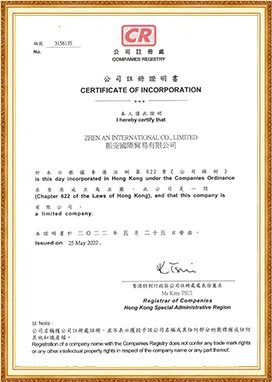
ZhenAn Metallurgy & New Materials Certificates