High-temperature industrial environments place extreme demands on metallic materials. Components exposed to continuous heat must resist oxidation, maintain mechanical integrity, and provide stable electrical performance over long operating periods.
Pure nickel wire is one of the most widely used materials for such applications because it combines outstanding thermal stability, corrosion resistance, oxidation resistance, and electrical conductivity. These characteristics allow nickel wire to perform reliably where ordinary steel, copper, and many other metals may fail.
Nickel wire is a metallic wire manufactured from high-purity nickel, most commonly Nickel 200 (Ni200) and Nickel 201 (Ni201). These grades typically contain more than 99.5% nickel and are produced through precision melting, rolling, drawing, and annealing processes.
Due to its unique metallurgical properties, nickel wire has become an important engineering material in industries requiring heat-resistant conductive materials.
Our address
Huafu Commercial Center, Wenfeng District, Anyang City, Henan Province, China
+86 15518824805

How Is Nickel Wire Manufactured?
The manufacturing process of industrial nickel wire involves several critical production stages:
- Electrolytic nickel refining
- Vacuum induction melting
- Continuous casting
- Hot rolling and cold drawing
- Multi-stage annealing
- Surface cleaning and bright finishing
- Dimensional and quality inspection
These manufacturing controls help ensure consistent purity, excellent ductility, and stable high-temperature performance.
Why Does Nickel Perform Well at High Temperatures?
The exceptional high-temperature performance of nickel wire is primarily related to its metallurgical characteristics and atomic structure.
Excellent Oxidation Resistance
When exposed to elevated temperatures, nickel forms a thin, stable oxide layer on its surface. This protective oxide film slows further oxidation and protects the underlying metal from rapid degradation.
As a result, nickel wire can maintain its performance significantly longer than many conventional metallic materials in heated environments.
Corrosion Resistance Under Heat
Industrial high-temperature environments often contain corrosive gases, moisture, sulfur compounds, and chemical vapors. Nickel's corrosion resistance helps maintain service life under these challenging operating conditions.

Thermal Stability
Nickel retains its mechanical properties over a broad temperature range. It experiences less thermal degradation and dimensional instability compared with many alternative conductive materials.
High Melting Point
Pure nickel has a melting point of approximately 1455°C, which is considerably higher than many commonly used engineering metals.
This high melting temperature allows nickel wire to operate safely in demanding thermal conditions without softening or losing structural integrity.
Technical Properties of High-Temperature Nickel Wire
| Property | Typical Value |
|---|---|
| Nickel Content | 99.5%–99.9% |
| Melting Point | 1455°C |
| Density | 8.90 g/cm³ |
| Oxidation Resistance | Excellent |
| Corrosion Resistance | Excellent |
| Thermal Stability | Excellent |
| Electrical Conductivity | Stable at elevated temperatures |

Common High Temperature Applications of Nickel Wire
Industrial Heating Elements
Nickel wire is widely used in electric heaters, industrial furnaces, kilns, and thermal processing equipment. Its ability to withstand repeated heating cycles makes it suitable for long-term industrial operation.
Heat Treatment Furnaces
Many heat-treatment facilities utilize nickel-based conductive materials in furnace components due to their resistance to oxidation and thermal fatigue.
Thermal Spray Industry
Nickel wire is commonly used as a thermal spray consumable to produce wear-resistant and heat-resistant coatings for industrial equipment.
Aerospace Systems
Aircraft engines, sensors, monitoring devices, and aerospace electrical systems often require materials capable of operating under elevated temperatures. Nickel wire provides reliable performance in these environments.
Power Generation Equipment
Power plants, gas turbines, and energy infrastructure frequently use nickel-based materials because of their ability to maintain stability under prolonged thermal exposure.
Applications in Chemical Industry
High-temperature chemical processing often combines heat and corrosive media. Nickel wire performs exceptionally well in these conditions because it resists both thermal degradation and chemical attack.
Applications include reactors, heating systems, instrumentation, catalyst support structures, and process control equipment.
Applications in Metallurgical Industry
Metallurgical operations frequently involve elevated temperatures and aggressive atmospheres.
Nickel wire is used in:
- Furnace components
- Heating systems
- Thermal spraying operations
- Welding consumables
- Special alloy manufacturing
Its heat resistance contributes to improved process stability and equipment longevity.
Ni200 vs Ni201 for High Temperature Applications
| Property | Ni200 | Ni201 |
|---|---|---|
| Nickel Content | ≥99.6% | ≥99.6% |
| Carbon Content | Higher | Lower |
| High Temperature Stability | Excellent | Superior |
| Oxidation Resistance | Excellent | Excellent |
| Recommended for Long-Term High Heat | Good | Better |
For prolonged exposure to elevated temperatures, Ni201 is often preferred because its lower carbon content reduces the risk of embrittlement and graphite precipitation.
Nickel Wire vs Stainless Steel Wire in High Temperature Service
| Property | Nickel Wire | Stainless Steel Wire |
|---|---|---|
| Oxidation Resistance | Excellent | Good |
| Thermal Stability | Excellent | Moderate to High |
| Corrosion Resistance | Excellent | Good |
| Service Life Under Heat | Longer | Generally Shorter |
How to Select Nickel Wire for High Temperature Applications?
Proper material selection requires evaluation of multiple factors:
- Maximum operating temperature
- Continuous or intermittent heat exposure
- Atmosphere composition
- Mechanical load requirements
- Electrical conductivity requirements
- Wire diameter specifications
- Ni200 or Ni201 grade selection
- Required certifications and testing documents
Choosing the correct nickel wire specification can significantly improve equipment reliability and reduce maintenance costs.

Why is nickel wire suitable for high-temperature applications?
Nickel wire combines a high melting point, excellent oxidation resistance, strong corrosion resistance, and stable mechanical properties. When exposed to elevated temperatures, it forms a protective oxide layer that slows degradation and helps maintain long-term performance. These characteristics make it a preferred material for heating systems, industrial furnaces, and thermal processing equipment.
What temperature can pure nickel wire withstand?
Pure nickel has a melting point of approximately 1455°C. In practical industrial service, operating temperatures depend on atmosphere, load conditions, and application design. Nickel wire is commonly used in environments ranging from several hundred degrees Celsius to over 1000°C in controlled conditions.
Does nickel wire oxidize at high temperatures?
All metals oxidize to some extent when exposed to oxygen at elevated temperatures. However, nickel forms a dense and stable oxide layer that protects the underlying material. This significantly reduces oxidation rates compared with many other engineering metals.
Which grade is better for high-temperature service, Ni200 or Ni201?
Both grades offer excellent heat resistance. However, Ni201 contains lower carbon content, which reduces the possibility of embrittlement and carbon-related structural changes during prolonged exposure to high temperatures. For continuous high-temperature service, Ni201 is often preferred.
Why is nickel wire used in heating elements?
Nickel wire provides stable electrical resistance, excellent thermal stability, and long service life under repeated heating cycles. These characteristics allow heating systems to operate efficiently and reliably over extended periods.
Can nickel wire be used in industrial furnaces?
Yes. Nickel wire is frequently used in furnace components, temperature sensors, heating systems, and related thermal processing equipment because of its resistance to heat, oxidation, and corrosion.
How does nickel wire compare with stainless steel wire at high temperatures?
Nickel wire generally offers superior oxidation resistance, better thermal stability, and longer service life in demanding high-temperature environments. Stainless steel can perform well in many applications, but nickel typically provides greater reliability under extreme thermal conditions.
Is nickel wire resistant to chemical corrosion at elevated temperatures?
Yes. Nickel exhibits excellent resistance to many alkaline and industrial chemical environments. This makes it suitable for chemical processing equipment where heat and corrosive media are present simultaneously.
What industries consume the most high-temperature nickel wire?
Major industries include aerospace, power generation, battery manufacturing, thermal spraying, industrial furnace production, metallurgy, petrochemical processing, and advanced manufacturing sectors.
How can I request a quotation for nickel wire?
Please provide the required nickel grade (Ni200 or Ni201), wire diameter, quantity, operating temperature, application details, and any certification requirements. This information allows suppliers to recommend the most suitable specification and provide an accurate quotation.

Contact Information
ZhenAn International
Email: market@zanewmetal.com
WhatsApp: +86 15518824805
Professional Supplier of Pure Nickel Wire, High-Temperature Nickel Materials, and Specialty Industrial Metals for Global Manufacturing Industries.
Visit https://www.metal-alloy.com/ to learn more about the product. If you would like to learn more about the product price or are interested in purchasing, please email market@zanewmetal.com. We will get back to you as soon as we see your message.
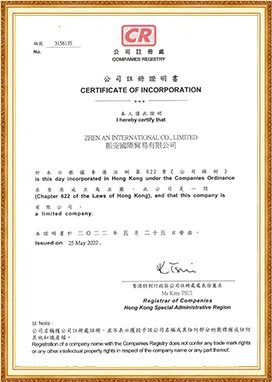
ZhenAn Metallurgy & New Materials Certificates