Nickel wire is one of the most important specialty metal materials used across modern industries. Its unique combination of corrosion resistance, electrical conductivity, thermal stability, and mechanical strength makes it suitable for demanding operating environments where conventional materials may fail.
Among all commercially available nickel wire products, Nickel 200 (Ni200) and Nickel 201 (Ni201) are the most widely specified grades. Although both materials are classified as commercially pure nickel, their chemical composition and service characteristics differ slightly, influencing their performance in high-temperature, corrosive, and electrical applications.

Nickel wire is a metallic wire product manufactured from high-purity nickel through refining, melting, casting, rolling, wire drawing, annealing, and surface finishing processes. Depending on the intended application, nickel wire may be supplied in soft annealed, semi-hard, or hard-drawn conditions.
Because of its excellent resistance to corrosion, oxidation, alkalis, and many industrial chemicals, nickel wire is commonly used in batteries, electronics, heating elements, welding materials, aerospace components, and metallurgical equipment.
one-stop solution
professional team
high qualit
The quality of nickel wire depends heavily on the production process and raw material purity.
Electrolytic nickel refining
Vacuum induction melting
Continuous casting
Hot rolling and billet preparation
Multi-pass cold drawing
Intermediate annealing treatment
Surface cleaning and bright finishing
Mechanical and chemical quality inspection
Advanced production methods help ensure stable composition, excellent dimensional tolerance, and consistent electrical performance.
Nickel 200, commonly referred to as Ni200, is a commercially pure wrought nickel grade containing approximately 99.6% nickel. It offers excellent corrosion resistance, high thermal conductivity, and outstanding electrical performance.
Ni200 is widely used in:
Lithium battery tab connections
Spot welding strips
Electrical conductors
Resistance heating equipment
Chemical processing systems
Aerospace components
Electronic devices
Its combination of purity and ductility makes it one of the most versatile nickel wire grades available.
Nickel 201 is similar to Ni200 but contains significantly lower carbon content. This reduction in carbon improves resistance to graphitization and helps maintain mechanical stability during prolonged exposure to elevated temperatures.
Ni201 is particularly suitable for:
High-temperature furnaces
Thermal processing equipment
Chemical reactors
Caustic alkali production systems
Industrial heating elements
Long-duration thermal applications
For operating temperatures above approximately 315°C (600°F), Ni201 is often preferred because of its improved high-temperature stability.

Chemical Composition of Ni200 and Ni201
| Element | Ni200 | Ni201 |
|---|---|---|
| Nickel + Cobalt | ≥99.6% | ≥99.6% |
| Carbon | ≤0.15% | ≤0.02% |
| Manganese | ≤0.35% | ≤0.35% |
| Iron | ≤0.40% | ≤0.40% |
| Silicon | ≤0.35% | ≤0.35% |
| Copper | ≤0.25% | ≤0.25% |
The primary distinction between the two grades is carbon content, which directly affects high-temperature behavior.
Technical Properties of Nickel Wire
| Property | Typical Value |
|---|---|
| Density | 8.89 g/cm³ |
| Melting Point | 1455°C |
| Electrical Conductivity | Excellent |
| Thermal Conductivity | High |
| Corrosion Resistance | Excellent |
| Oxidation Resistance | Excellent |
| Ductility | Excellent |


Ni200 vs Ni201: Key Differences
| Property | Ni200 | Ni201 |
|---|---|---|
| Nickel Purity | ≥99.6% | ≥99.6% |
| Carbon Content | Higher | Lower |
| Electrical Conductivity | Excellent | Excellent |
| Corrosion Resistance | Excellent | Excellent |
| High-Temperature Stability | Good | Superior |
| Long-Term Heat Exposure | Moderate | Excellent |
| Battery Applications | Widely Used | Less Common |
For general industrial applications, both grades perform exceptionally well. However, Ni201 is often selected when prolonged high-temperature exposure is expected.
Applications in Chemical Industry
The chemical processing industry relies heavily on nickel wire because of its ability to resist alkaline corrosion and maintain stability in aggressive environments.
Typical applications include:
Chemical reactors
Electrochemical equipment
Alkali production systems
Instrumentation devices
Catalyst support structures
Filtration systems
Nickel wire helps improve equipment lifespan while minimizing maintenance requirements.

Applications in Metallurgical Industry
Metallurgical operations expose materials to elevated temperatures, oxidation, moisture, and industrial gases. Nickel wire provides reliable performance under these demanding conditions.
Common uses include:
- Resistance heating systems
- Heat-treatment furnaces
- Thermal spraying equipment
- Welding consumables
- Temperature monitoring devices
- Special alloy production
Applications in Battery Manufacturing
One of the fastest-growing markets for nickel wire is battery production, particularly lithium-ion battery assembly.
Nickel wire is used for:
- Battery tabs
- Cell interconnections
- Spot welding strips
- Current collectors
- Energy storage systems
Ni200 is especially popular because of its high conductivity and excellent weldability.

Nickel Wire vs Nickel-Plated Steel Wire
| Property | Pure Nickel Wire | Nickel-Plated Steel Wire |
|---|---|---|
| Nickel Content | Over 99.5% | Surface Coating Only |
| Corrosion Resistance | Excellent | Moderate |
| Electrical Conductivity | Higher | Lower |
| Weldability | Excellent | Variable |
| Service Life | Longer | Shorter |
For critical industrial applications requiring long-term reliability, pure nickel wire is generally preferred over nickel-plated alternatives.
How to Select the Right Nickel Wire Grade?
Industrial buyers should consider several factors before choosing between Ni200 and Ni201.
Operating temperature
Corrosive exposure conditions
Electrical conductivity requirements
Welding requirements
Mechanical performance expectations
Battery manufacturing applications
Industry standards and certifications
Budget and lifecycle cost analysis
For most battery and electrical applications, Ni200 is the preferred choice. For continuous high-temperature service, Ni201 often provides better long-term performance.


What are the most common grades of nickel wire?
The most common commercial grades are Nickel 200 (Ni200) and Nickel 201 (Ni201). Both are considered commercially pure nickel materials containing approximately 99.6% nickel. They are widely used in battery manufacturing, chemical processing, electronics, welding, aerospace, and industrial heating applications.
What is the difference between Ni200 and Ni201?
The primary difference is carbon content. Ni201 contains significantly less carbon than Ni200. This lower carbon level improves resistance to graphitization and helps maintain material stability during long-term exposure to elevated temperatures. As a result, Ni201 is often selected for thermal processing equipment and high-temperature industrial systems.
Which grade is better for lithium battery production?
Ni200 is generally preferred for lithium battery applications because it provides excellent electrical conductivity, strong weldability, and reliable current transfer performance. It is commonly used for battery tabs, cell connections, and spot welding applications in energy storage systems.
Is Ni201 more corrosion resistant than Ni200?
Both grades offer excellent corrosion resistance in many industrial environments. The difference in corrosion resistance is relatively small. The major advantage of Ni201 lies in its improved performance at elevated temperatures due to its lower carbon content.
Can Ni200 and Ni201 be welded?
Yes. Both grades exhibit excellent weldability and can be used in resistance welding, spot welding, TIG welding, and other joining processes. Proper welding parameters and clean surfaces are important to achieve optimal results.
Why is nickel wire resistant to corrosion?
Nickel naturally forms a stable passive oxide layer on its surface. This protective film helps shield the underlying metal from many corrosive substances, including moisture and alkaline environments. The passive layer continuously protects the material during normal industrial operation.
What industries use nickel wire most frequently?
Major users include battery manufacturers, electronics producers, aerospace companies, chemical processing plants, metallurgical facilities, renewable energy projects, industrial furnace manufacturers, and resistance heating equipment suppliers.
What wire diameters are commonly available?
Nickel wire can be supplied in ultra-fine diameters below 0.05 mm for electronic applications and larger diameters above 10 mm for industrial purposes. The most common industrial sizes range from 0.1 mm to 5.0 mm, depending on the application.
How can buyers verify pure nickel wire quality?
Buyers should request chemical composition reports, mill test certificates, dimensional inspection reports, and third-party testing documentation when necessary. Verifying nickel purity is especially important for battery and electrical applications where performance depends on material consistency.
Which nickel wire grade should I choose?
If the application focuses on electrical conductivity, battery production, or general industrial use, Ni200 is usually sufficient. If the material will be exposed to elevated temperatures for extended periods, Ni201 is often the preferred option because of its superior thermal stability and lower carbon content.

Contact Information
ZhenAn International
Email: market@zanewmetal.com
WhatsApp: +86 15518824805
Professional Supplier of Ni200 Nickel Wire, Ni201 Nickel Wire, Battery Grade Nickel Wire, Resistance Heating Wire, and High Purity Industrial Nickel Materials.
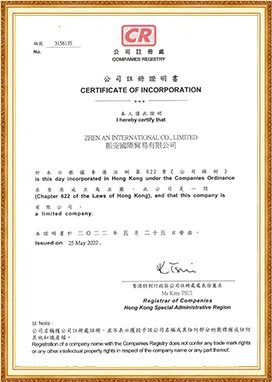
ZhenAn Metallurgy & New Materials Certificates