Can Silicon Carbon Alloy Replace Ferrosilicon in European EAF Deoxidation?
Yes-silicon carbon alloy (Si-C alloy) is increasingly used in European Electric Arc Furnace (EAF) steelmaking as a partial or full substitute for ferrosilicon in deoxidation and alloying processes, especially in cost-sensitive HSLA and construction steel production.
The main reason is its dual-function behavior:
Silicon acts as a strong deoxidizer in molten steel
Carbon supports slag foaming and recovery efficiency
Combined effect reduces total ferrosilicon consumption by 10–30% in optimized EAF systems
However, performance depends heavily on grade selection, particle size control, and impurity levels.
What Are the Technical Specifications of Silicon Carbon Alloy?
| Parameter | Si35 Grade | Si45 Grade | Si55 High Grade |
|---|---|---|---|
| Silicon (Si) | ~35% | ~45% | ~55% |
| Carbon (C) | 10–20% | 10–25% | 10–30% |
| Form | 10–60 mm lumps | Crushed material | Controlled lumps |
| Application | Basic steelmaking | EAF/BOF deoxidation | High-performance HSLA steel |
| Impurity Level | Medium | Low | Ultra-low |
| Reaction Efficiency | Moderate | High | Very high |
| Density Stability | Variable | Stable | Highly stable |
Why Does Ferrosilicon Consumption Remain High in European EAF Plants?
1. High Oxygen Steel Refining Requirements
European EAF steel production requires:
Very low dissolved oxygen levels
Strict cleanliness for HSLA and automotive steels
Stable inclusion control
Ferrosilicon is traditionally used because of its strong and predictable deoxidation behavior.
2. Slag Chemistry Sensitivity
In EAF systems:
Slag basicity fluctuates during melting
Ferrosilicon ensures rapid oxygen removal
Alternative materials require process adjustment
3. Energy Cost Optimization Pressure
Steelmakers aim to reduce:
Alloying cost per ton steel
Energy consumption in refining cycles
Furnace tapping time
This opens opportunity for silicon carbon alloy substitution strategies.
How Does Silicon Carbon Alloy Reduce Ferrosilicon Consumption?
1. Dual-Function Alloying Mechanism
Si-C alloy acts as:
Deoxidizer (silicon function)
Energy booster (carbon reaction effect)
This reduces dependency on separate ferrosilicon + carbon additions.
2. Improved Silicon Recovery Efficiency
Compared to ferrosilicon:
Si-C alloy improves silicon yield in molten steel
Reduces oxidation losses during slag interaction
Enhances alloying element utilization rate
3. Slag Foaming Enhancement
Carbon content supports:
Stable foamy slag formation in EAF
Improved arc stability
Reduced electrical energy consumption
4. Cost Optimization in Bulk Steel Production
In optimized European EAF systems:
Ferrosilicon consumption can be reduced by 10–30%
Total alloying cost per ton steel decreases
Productivity per heat improves
What Are the Main Forms of Silicon Carbon Alloy?
Si-C alloy for steelmaking
metallurgical SiC alloy
high carbon silicon Si-C alloy
silicon carbon alloy powder
crushed Si-C material
steelmaking alloy size 10–60mm
10–50mm Si-C lumps
low impurity Si-C alloy
How Do Different Si-C Grades Compare in EAF Steelmaking?
Si35 vs Si45 Alloy
Si35: lower silicon, more carbon influence, basic deoxidation use
Si45: balanced performance, widely used in EAF operations
Si45 reduces ferrosilicon consumption more effectively
Si45 vs Si55 High Grade Alloy
Si45: standard deoxidation + partial substitution
Si55: high silicon efficiency, stronger replacement for ferrosilicon
Si55 preferred in HSLA and automotive steels
Si-C Alloy vs Ferrosilicon
Si-C alloy: dual-function, cost-efficient, slag-enhancing
Ferrosilicon: pure deoxidizer, stable but higher consumption
Si-C is increasingly used as a replacement for ferrosilicon in EAF systems
Why Is Silicon Carbon Alloy Adoption Increasing in Europe?
European steelmakers are driven by:
Carbon reduction targets in steel production
Energy efficiency improvement in EAF plants
Cost pressure on alloying materials
Demand for HSLA and automotive-grade steels
Therefore:
Si-C alloy is not a full replacement, but a strategic substitution material for deoxidation optimization
FAQ: What Do Steel Buyers Commonly Ask About Si-C Alloy?
1. Can Si-C fully replace ferrosilicon in EAF steelmaking?
Not fully-it's typically used as a partial replacement depending on steel grade.
2. What is the main benefit of Si-C alloy?
It combines deoxidation and carbon reaction benefits, improving efficiency.
3. Which Si-C grade is best for EAF plants?
Si45 and Si55 are most widely used for industrial steel production.
4. Does Si-C affect steel cleanliness?
Yes, low impurity Si-C improves inclusion control in molten steel.
5. What particle size is preferred?
10–60 mm lumps ensure stable melting and reaction control.
6. Why is Europe adopting Si-C alloy faster?
Due to energy cost pressure and carbon reduction goals in steelmaking.
Where to Source Stable Silicon Carbon Alloy for Steel Plants?
We supply metallurgical-grade silicon carbon alloy designed for EAF and BOF steelmaking systems, offering stable composition, controlled particle size, and optimized deoxidation performance.
📧 Email: market@zanewmetal.com
📱 WhatsApp: +86 15518824805
What Is the Industry Trend in EAF Deoxidation?
European EAF steelmaking is moving toward:
Partial replacement of ferrosilicon with Si-C alloy
Dual-function alloying strategies
Lower energy and alloy consumption systems
Optimized HSLA steel production routes
The core direction is clear: silicon carbon alloy is becoming a key optimization material for modern deoxidation systems, not a full replacement but a high-efficiency alternative.
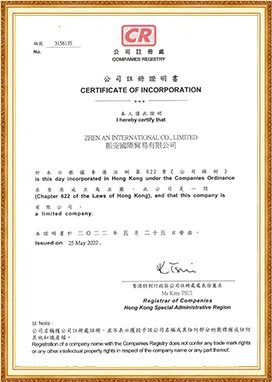
ZhenAn Metallurgy & New Materials Certificates