The industrial landscape in India is undergoing a massive transformation, characterized by an unprecedented surge in the production of high-strength low-alloy (HSLA) steels, advanced automotive sheets, and heavy structural components. Driven by massive domestic infrastructure investments, railway modernizations, and defense sector scaling, primary steelmakers are aggressively upgrading their micro-alloying capabilities. At the center of this transition is vanadium-a potent grain refiner and precipitation hardener. For Indian metallurgical engineers, the core operational challenge lies in selecting the most thermally efficient and chemically uniform raw material: vanadium pentoxide (V2O5) in its optimized physical forms.
To meet global quality standards like ASTM and ISO, procurement teams must look past basic cost metrics and focus on precise technical matching. The choice of vanadium feedstock directly affects reduction efficiency during ferroalloy smelting, electrode consumption rates, and the ultimate trace element matrix of the steel matrix. This technical manual details the foundational definition, extraction chemistry, and critical selection criteria required by modern steel mills, demonstrating how partnership with international refiners like ZhenAn supports stable high-tier metallurgy.
---
1. Definition: What Are Metallurgical Grade V2O5 for Ferrovanadium Production Flakes?
In structural metallurgy, vanadium pentoxide (V2O5) serves as the primary intermediary chemical compound used to introduce pure vanadium into iron matrices. It is typically supplied in a distinct crystalline flake form, produced via specific molten solidification pathways. Unlike chemical reagents, Metallurgical Grade V2O5 or V2O5 for ferrovanadium production is engineered for optimal aluminothermic or silicothermic reduction inside Electric Arc Furnaces (EAF).
The flake morphology is purposefully designed for bulk handling in heavy industrial environments. The physical structure ensures high bulk density, preventing raw materials from being carried away by heavy furnace exhaust systems. This maximizes elemental recovery rates and ensures highly predictable additions during batch alloy engineering.
---
2. Production Process: How Are 98% Vanadium Pentoxide Flakes Manufactured?
The manufacturing process begins with vanadium-bearing titaniferous magnetite ores or industrial slag processing streams. The raw ore undergoes a specialized sodium roasting process followed by counter-current water leaching to isolate the vanadium values into a highly soluble sodium metavanadate solution. Through careful pH adjustment and chemical precipitation using ammonium salts, the solution yields Ammonium Polyvanadate (APV) or Ammonium Metavanadate (AMV) crystals.
These intermediate ammonium compounds are then fed into heavy-duty rotary calcination furnaces operating at controlled thermal bands to drive off ammonia gas and moisture. The remaining purified V2O5 is moved into a high-temperature fusion furnace where it liquefies at temperatures exceeding 700 degrees Celsius. This molten stream is carefully cast onto water-cooled, rotating stainless-steel casting wheels. The rapid cooling causes immediate crystallization, forming high-density 98% vanadium pentoxide flakes that are subsequently crushed and sized to meet international steel industry specifications.
---
3. Grade Breakdown: How Should Procurement Teams Interpret V2O5 Chemical Specification Options?
When engineering teams review a manufacturer's Chemical Composition Specification, the material options generally fall into two broad industrial tiers, each tailored to distinct processing setups:
- Industrial Grade Specification (98% Base): Often referred to globally as industrial vanadium pentoxide, this represents the standard workhorse material for bulk steelmaking. It offers an excellent balance of high active vanadium concentration and cost-efficiency for mass-produced structural steels and rebar.
- Low Impurity V2O5 Tier (≥ 98.5% to 99.0%): This specialized group includes low impurity vanadium pentoxide options. It is designated for advanced clean-steel practices, critical aerospace forging alloys, and specialized tool steels where trace elements like phosphorus, sulfur, and arsenic must be kept to absolute minimums.
---
4. Technical Parameters: What Metric Defines a Quality Flake Vanadium Pentoxide Specification?
A true metallurgical V2O5 chemical specification includes both chemical purity limits and physical size dimensions. For high-efficiency EAF and converter alloy shops, the typical industrial benchmark parameters are structured as follows:
| Technical Parameter Component | Standard Metallurgical Benchmark Value | Primary Process Significance |
|---|---|---|
| Base Purity (V2O5) | ≥ 98.0% (V2O5 98% Minimum) | Directly dictates alloy reduction yield and limits slag volume. |
| Iron (Fe) | ≤ 0.30% Maximum | Fully compatible with steel matrices; prevents uncontrolled composition drift. |
| Silica (SiO2) | ≤ 0.25% Maximum | Prevents excessive furnace refractory lining wear and slagging. |
| Phosphorus (P) & Sulfur (S) | Each ≤ 0.05% Maximum | Eliminates risks of hot-shortness and grain boundary brittleness. |
| Physical Size Range | 1mm to 20mm Flakes | Optimizes furnace drop kinetics and prevents baghouse dust losses. |
---
5. Chemical Industry Application: How Is High Purity V2O5 Flakes Material Utilized Beyond Steel?
While metallurgy accounts for bulk consumption, high purity V2O5 flakes play a vital role in industrial chemical synthesis. In these applications, the material functions as a high-selectivity catalyst rather than an alloying element.
Chemical plants use High Purity Vanadium Pentoxide primarily as the catalyst in the contact process for manufacturing high-concentration sulfuric acid (H2SO4). It is also widely used in producing maleic anhydride, phthalic anhydride, and various synthetic rubbers. In these applications, ultra-low transition metal thresholds are mandatory to prevent catalyst poisoning and maximize processing lifecycles.
---
6. Metallurgical Industry Application: Why Do Flake Form V2O5 Products Drive HSLA Steel Success?
In modern Indian steel mills, Flake Vanadium Pentoxide or flake form V2O5 is the primary source material used to manufacture ferrovanadium (FeV50/FeV80) and vanadium-nitrogen alloys (VN). These master alloys are added directly to liquid steel during secondary ladle refining (LRF) operations.
As the liquid steel solidifies and undergoes hot rolling, dissolved vanadium precipitates across grain boundaries as sub-microscopic vanadium carbonitride particles. This uniform precipitation pins austenite grain boundaries, preventing unwanted grain growth during thermal treatment. The result is an engineered micro-alloyed steel that exhibits significantly increased yield strength, superior weldability, and enhanced low-temperature impact toughness without requiring costly heat-treatment cycles.
---
7. Grade Comparison: V2O5 98% Minimum VS V2O5 99% Purity
Choosing between these two primary grades involves balancing technical requirements against economic factors:
- V2O5 98% Minimum: The definitive choice for standard structural steels, pipeline steel specifications (API grades), and mass-market rebar. It delivers all necessary alloying properties at an optimal price point, making it the most cost-effective solution for high-volume production.
- V2O5 99% Purity: Designated for critical, high-spec applications. Metallurgists specify premium grade V2O5 when producing specialized clean-melt steel batches for aerospace landing gears, high-stress locomotive axles, or clean-chemistry utility fasteners where any residual trace elements could compromise fatigue resistance.
---
8. Comparison with Similar Products: Flake Vanadium Pentoxide VS Powder Vanadium Pentoxide
Understanding the physical differences between these two presentation states is vital for material handling and process design:
- Flake Vanadium Pentoxide: Features a high bulk density and low surface area relative to its mass. This makes it ideal for direct furnace charging via automated conveyor systems, as it smoothly penetrates the slag layer without creating fine dust or being pulled into furnace dust-collection systems.
- Powder Vanadium Pentoxide (V2O5 powder specification): Primarily used in wet chemical leaching and rapid chemical dissolution processes. While fine powder provides rapid dissolution kinetics due to its high surface area, it is rarely favored in heavy steel mill melting shops due to dust hazards and potential material loss through furnace draft systems.
---
9. Procurement Guide: Selecting and Securing High Purity V2O5 Flakes Under Standard Packaging
For Indian industrial buyers looking to build a stable, long-term supply chain, procurement processes should incorporate three primary technical validation checkpoints:
- Verify Batch Analysis Mapped to Local Standards: Ensure that every delivery is accompanied by an verified certificate of analysis (CoA) detailing the full trace-element profile. This confirms compliance with international standards and local requirements like the Bureau of Indian Standards (BIS).
- Enforce Airtight Structural Packaging Protocols: Vanadium pentoxide must be protected from ambient moisture during ocean shipping to prevent clumping. Procurement orders should specify Standard Packaging consisting of sealed steel drums or durable bulk bags (V2O5 flakes packaging) that protect product integrity during transport and long-term storage.
- Build Direct Refiner Partnerships: Avoid relying solely on secondary trading markets. Partnering directly with integrated producers like ZhenAn ensures steady volume allocation during market upcycles and gives your technical teams direct access to specialized chemical customization options.
Contact ZhenAn's International Metallurgy & Sourcing Team:
Email: market@zanewmetal.com
WhatsApp/WeChat: +86 15518824805
---
10. Frequently Asked Questions (FAQ)
Q1: How is vanadium pentoxide flake used in high strength steel production?
A: Vanadium pentoxide flakes are not added directly to the ladle of liquid steel. Instead, they serve as the primary chemical precursor used to manufacture master alloys such as ferrovanadium (FeV) or vanadium-nitrogen (VN). These master alloys are subsequently introduced during secondary refining stages. The vanadium dissolves into the iron matrix, creating fine vanadium carbonitride precipitates during cooling. This provides grain refinement and precipitation hardening, allowing steel mills to achieve high yield strengths without losing weldability or ductility.
Q2: What V₂O₅ purity level is suitable for metallurgical applications?
A: For standard high-strength steel manufacturing, a purity grade of V2O5 98% Minimum is the recognized industry standard. This grade provides an ideal balance of active vanadium recovery and cost efficiency. However, when manufacturing ultra-clean steels, critical automotive components, or aerospace alloys, steel mills switch to V2O5 99% Purity to keep harmful trace elements like phosphorus, sulfur, and arsenic within strict micro-ppm limits.
Q3: How do steel producers evaluate vanadium pentoxide flake quality before purchase?
A: Quality evaluation relies on checking both chemical and physical parameters. Chemically, producers verify the total V2O5 percentage and check trace element levels via advanced analytical methods like ICP-OES. Physically, engineers look for clean, uniform Flake Vanadium Pentoxide within the 1-20mm size range, ensuring minimal fine dust content to prevent material losses and handling hazards during plant operations.
Q4: Why is chemical composition consistency important for vanadium alloy production?
A: In metallurgical operations, process predictability is vital for quality control. Fluctuations in V2O5 levels disrupt the chemical ratios needed for reduction reactions, resulting in inconsistent vanadium recovery rates and variable alloy compositions. Utilizing materials backed by a verified Chemical Composition Specification helps alloy plants maintain stable reduction temperatures, lower power consumption, and deliver uniform product chemistry to the ladle.
Q5: How do impurities in V₂O₅ flakes affect steel microstructure and performance?
A: Elements like phosphorus and sulfur cause hot-shortness and embrittlement along grain boundaries, increasing the risk of cracking during hot rolling. Excessive silica (SiO2) contaminants react with furnace flux, accelerating the wear of basic refractory linings and increasing slag volumes. Selecting certified low impurity vanadium pentoxide protects critical steel microstructures from these micro-defects.
Q6: What specifications should steel mills consider when selecting vanadium pentoxide flakes?
A: Purchasing managers should look for three core criteria: certified chemical purity matching the steel grade requirement, uniform physical flake sizing to ensure stable dissolution, and robust Standard Packaging to prevent environmental contamination during ocean transport. Partnering with established manufacturers like ZhenAn ensures these technical parameters remain consistent across all delivery lots.
Q7: What is the difference between metallurgical grade and chemical grade V₂O₅ flakes?
A: Metallurgical grades (typically around 98% purity) are optimized for high-temperature smelting reduction and bulk material handling in electric arc furnaces. Chemical grades focus on higher base purity (often ≥ 99.0%) and strict control over alkali metals and transition metals, meeting the specific requirements of chemical catalysts where trace elements could cause catalyst poisoning.
Q8: How can stable V₂O₅ supply support continuous alloy steel production?
A: Modern steel mills operate on tight, continuous production schedules. Any delay in alloy availability can stall downstream casting lines, leading to significant operational losses. Securing long-term supply contracts for V2O5 flakes packaging products directly with primary producers like ZhenAn helps protect steel plants from market cycles and ensures steady production flow.
Visit https://www.metal-alloy.com/ to learn more about the product. If you would like to learn more about the product price or are interested in purchasing, please email market@zanewmetal.com. We will get back to you as soon as we see your message.
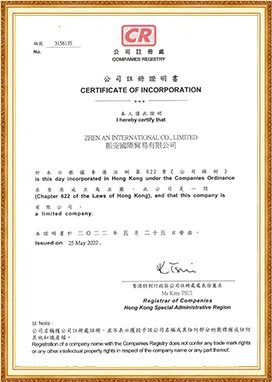
ZhenAn Metallurgy & New Materials Certificates