The Middle East construction and industrial sectors are experiencing rapid expansion, leading to a significant increase in demand for advanced structural steels, heavy infrastructure profiles, and high-strength low-alloy (HSLA) reinforcing bars. For industrial material distributors and suppliers across the region, meeting these requirements demands strict control over micro-alloying feedstocks. Vanadium plays a vital role in increasing yield strength and toughness in modern structural steel. However, the performance of the alloy depends directly on the quality and stability of the raw material inputs.
When engineering teams experience chemical variations or unexpected purity shifts in their raw materials, it can lead to erratic alloy recovery rates, increased furnace power consumption, and potential delays in rolling mill schedules. To prevent these operational risks, regional material suppliers must establish strict technical frameworks to evaluate batch consistency and partner with reliable producers. This guide breaks down production processes, technical benchmarks, and sourcing strategies, demonstrating how direct partnership with primary global refiners like ZhenAn helps secure dependable supply chains.
---
What Defines High Purity Vanadium Pentoxide as a Technical Base for Infrastructure Steel?
In structural metallurgy, vanadium pentoxide (V2O5) serves as the primary chemical intermediate used to introduce pure vanadium into iron and steel chemistries. Delivered as a fused crystalline product, High Purity Vanadium Pentoxide provides the necessary elemental concentration required for high-temperature furnace reduction. Rather than acting as a direct additive, it is the fundamental precursor used to produce key intermediate alloys such as ferrovanadium and vanadium-nitrogen master mixes.
For industrial distribution networks, evaluating this material requires analyzing both its chemical purity and its physical presentation. Ensuring a stable physical structure and a predictable trace element profile across every delivery lot is critical to achieving uniform melting characteristics and reliable micro-alloying results at the steel mill.
---
How Are 98% Vanadium Pentoxide Flakes Processed to Ensure Multi-Batch Uniformity?
Achieving stable material characteristics across multiple production lots requires automated, multi-stage chemical refining. The production process begins with vanadium-rich slag or titaniferous magnetite ores, which undergo a sodium roasting process to convert vanadium oxides into water-soluble sodium vanadate compounds. The material is then moved through counter-current aqueous leaching and multi-stage filtration to isolate the vanadium solution from insoluble iron and heavy silicates.
Through precise chemical precipitation using ammonium salts, the solution yields pure Ammonium Polyvanadate (APV) intermediate crystals. These crystals are calcined in automated rotary kilns to remove ammonia, producing refined V2O5. To convert this oxide into stable 98% vanadium pentoxide flakes, the material is liquefied in a specialized fusion furnace at temperatures above 700 degrees Celsius. The molten stream flows continuously onto water-cooled, rotating casting wheels where it solidifies instantly into a dense sheet. It is then mechanically broken into precise dimensions and packed immediately, minimizing moisture absorption and preventing environmental contamination.
---
How Do Suppliers Decode Options via an Industrial Grade Specification Strategy?
To establish an effective quality control program, regional material suppliers must classify incoming materials according to the manufacturer's certified Industrial Grade Specification parameters. Commercial shipments are generally divided into two main categories based on their trace impurity profiles:
- Industrial Grade Specification (98% Base Tiers): Often referred to in global contract sheets as industrial vanadium pentoxide. This grade serves as the primary workhorse material for high-volume steel manufacturing, offering excellent cost efficiency for standard structural applications.
- Low Impurity V2O5 Tiers (≥ 98.5% to 99.0%): Classified as premium-grade low impurity vanadium pentoxide, this material is specified for advanced clean-steel practices, critical automotive forgings, and specialized tool steels where tramp elements must be kept to absolute minimums.
---
What Chemical Criteria Establish a Certified V2O5 Chemical Specification?
A reliable metallurgical V2O5 chemical specification must outline strict purity limits alongside physical sizing guidelines. For regional steel mills and international trading networks, the following parameters represent the standard industrial baseline for quality verification:
| Chemical Profile Component | Standard Metallurgical Target Values | Process Significance in Steelmaking |
|---|---|---|
| Total Oxide Concentration | ≥ 98.0% (V2O5 98% Minimum) | Directly dictates alloy reduction yields and stabilizes processing times. |
| Iron Content (Fe) | ≤ 0.25% Maximum | Fully compatible with iron matrices; prevents unexpected composition drift. |
| Silica Content (SiO2) | ≤ 0.20% Maximum | Minimizes slag volume variations and protects acid-sensitive furnace refractory linings. |
| Phosphorus (P) & Sulfur (S) | Each ≤ 0.03% Maximum | Eliminates the risk of hot-shortness, brittleness, and micro-cracking during hot rolling. |
| Physical Particle Sizing | 2mm to 15mm Flakes | Optimizes melting kinetics and prevents raw material loss through furnace exhaust systems. |
---
When Is Sourcing Premium Grade V2O5 Vital for Advanced Synthesis?
While metallurgy accounts for the majority of global consumption, high-purity vanadium compounds are also essential for advanced chemical manufacturing. In these specialized processes, the material serves as a highly active catalyst rather than an alloying addition.
Chemical processing plants use premium grade V2O5 primarily as the core catalyst in the contact process for manufacturing high-concentration sulfuric acid (H2SO4). It is also widely used in producing maleic anhydride and phthalic anhydride. For these applications, chemical engineers require exceptionally low alkali metal and transition metal thresholds to prevent catalyst poisoning and maximize the operational lifespan of the catalyst bed.
---
Why Do Flake Vanadium Pentoxide Feedstocks Determine Micro-Alloying Success?
Within the metallurgical sector, Flake Vanadium Pentoxide or flake form V2O5 is the primary material used to manufacture ferrovanadium (FeV) master alloys and vanadium-nitrogen (VN) micro-additives. These master alloys are added directly to liquid steel during secondary ladle refining operations.
During the solidification and cooling of the steel, the dissolved vanadium forms highly uniform vanadium carbonitride precipitates along austenite grain boundaries. This precipitation pinning effect prevents grain growth during high-temperature rolling. The resulting micro-alloyed steel exhibits significantly increased yield strength, superior weldability, and enhanced low-temperature impact toughness without requiring costly post-rolling heat treatments.
---
V2O5 98% Minimum VS V2O5 99% Purity
Sourcing teams must select the appropriate purity grade based on the technical requirements and economic targets of the end user:
- V2O5 98% Minimum: The standard benchmark grade for commercial steel mills manufacturing structural rebar, heavy plates, and standard pipeline steels. It delivers identical micro-alloying benefits while offering maximum cost efficiency for high-volume production lines.
- V2O5 99% Purity: Specified for critical high-performance materials under the V2O5 99% Purity designation. Metallurgists select this grade for aerospace forging applications, nuclear engineering components, and specialized clean automotive steels where any residual trace element could compromise fatigue life or cause micro-void formation.
---
Flake Vanadium Pentoxide VS Powder Vanadium Pentoxide
The physical form of the raw material has a direct impact on material handling efficiency and overall processing yields:
- Flake Vanadium Pentoxide: Features a high bulk density and optimized flake shape, making it perfect for direct furnace addition via automated conveyor lines. It drops cleanly through the furnace slag layer into the melt with zero dust generation, ensuring excellent material recovery.
- Powder Vanadium Pentoxide (V2O5 powder specification): Primarily chosen for fluid-bed chemical reactors and rapid acid-leaching processes. Due to its fine particle size and high surface area, it is rarely used in heavy metallurgy shops because it can easily be lost through furnace exhaust systems or cause material handling challenges.
---
Evaluating Supply Reliability and Securing Standard Packaging Deliveries
To reduce risk when importing materials into competitive industrial markets, alloy suppliers should integrate three core quality assurance practices into their sourcing contracts:
- Audit the Producer's Quality Management System: Verify that the manufacturing facility utilizes continuous, automated furnace controls. Choosing an established global producer like ZhenAn ensures the material is processed under strict quality control standards, resulting in consistent batch chemistries.
- Enforce Airtight Packaging Specifications: Vanadium pentoxide must be protected from ambient moisture during ocean transit to prevent clumping and degradation. Suppliers should specify heavy-duty Standard Packaging consisting of sealed steel drums or multi-layer moisture-barrier bulk bags (V2O5 flakes packaging).
- Establish Direct Refiner Contracts: Move away from volatile spot-market brokers. Building direct relationships with integrated refiners guarantees consistent volume allocations during high-demand cycles and gives technical teams direct access to lot-specific analytical data.
Contact ZhenAn's International Metallurgy Sourcing Desk:
Email: market@zanewmetal.com
WhatsApp/WeChat: +86 15518824805
---
FAQ
Q1: How can material suppliers evaluate the consistency of vanadium pentoxide flakes?
A: Material suppliers can evaluate batch consistency by requiring lot-specific Certificates of Analysis (CoA) that detail the exact mineral concentrations and trace element counts across consecutive shipments. Suppliers should track total active metal percentages against certified V2O5 chemical specification sheets and use independent laboratory tests, such as X-ray fluorescence (XRF) or inductively coupled plasma (ICP), to verify that impurity variances remain within acceptable tolerances before dispatch.
Q2: What quality indicators determine reliable V₂O₅ flake supply?
A: The key chemical indicators include a consistent baseline purity meeting the V2O5 98% Minimum standard, along with tight controls on trace elements like phosphorus, sulfur, and silica. Physically, the material must display uniform sizing within designated flake parameters and show a low presence of fine powder. On a commercial level, indicators include the producer's production capacity, access to stable raw material inputs, and use of certified Standard Packaging that prevents product degradation during long-distance transit.
Q3: Why is long-term supply stability important for regional steel producers?
A: Modern steel mills operate on continuous production schedules with narrow profit margins. Any sudden disruption or delay in micro-alloying availability can halt downstream casting lines, leading to significant financial losses. Securing a steady supply of uniform flake form V2O5 allows steel plants to maintain predictable production workflows, optimize their raw material inventories, and avoid sudden price increases in the spot commodity markets.
Q4: How do suppliers compare different V₂O₅ flake producers?
A: Suppliers compare producers by evaluating their technical refining capabilities, tracking historical batch analyses, and assessing their ability to meet volume commitments during high-demand cycles. Top-tier manufacturers like ZhenAn stand out by providing complete batch traceability, using automated processing lines that reduce human error, and offering customized packaging options designed to preserve material purity over long transit periods.
Q5: What role do production capacity and quality control systems play in supplier evaluation?
A: Large production capacity indicates that a manufacturer can fulfill high-volume purchase orders without risking delivery delays. Advanced quality control systems, such as automated calcination and furnace monitoring, ensure the material matches the target Industrial Grade Specification consistently. This technical combination prevents lot-to-lot chemical variation, which is essential for stabilizing downstream reduction reactions and alloy recovery yields.
Q6: How can V₂O₅ flake testing ensure stable downstream steel applications?
A: Comprehensive raw material testing ensures that tramp impurities like phosphorus and sulfur stay within safe limits. This protects structural steel from hot-shortness and grain-boundary embrittlement during rolling. Verifying chemical parameters using precise laboratory methods allows suppliers to guarantee that their V2O5 for ferrovanadium production inventory will consistently deliver the expected micro-alloying performance at the steel mill.
Q7: What documentation should suppliers review before importing vanadium pentoxide flakes?
A: Sourcing teams must review the manufacturer's official Certificate of Analysis (CoA), an independent third-party inspection report (such as SGS), a certified Certificate of Origin, and an updated Safety Data Sheet (SDS). These documents are necessary to verify that the shipment matches the agreed Chemical Composition Specification, satisfies regional import customs requirements, and complies with international maritime safety codes for hazardous material transport.
Q8: How can Middle East distributors build a reliable V₂O₅ supply chain?
A: Distributors can build a resilient supply chain by establishing direct, long-term offtake agreements with established refiners like ZhenAn, rather than relying on unpredictable spot-market brokers. Additionally, maintaining strategic warehouse safety stocks packed in secure V2O5 flakes packaging helps cushion against potential ocean freight disruptions, ensuring a reliable supply of premium alloying materials for regional steelmakers.
Visit https://www.metal-alloy.com/ to learn more about the product. If you would like to learn more about the product price or are interested in purchasing, please email market@zanewmetal.com. We will get back to you as soon as we see your message.
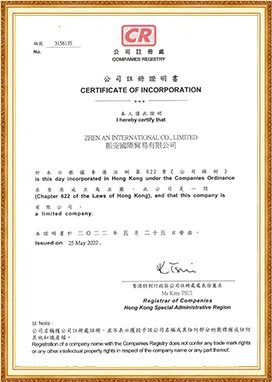
ZhenAn Metallurgy & New Materials Certificates