


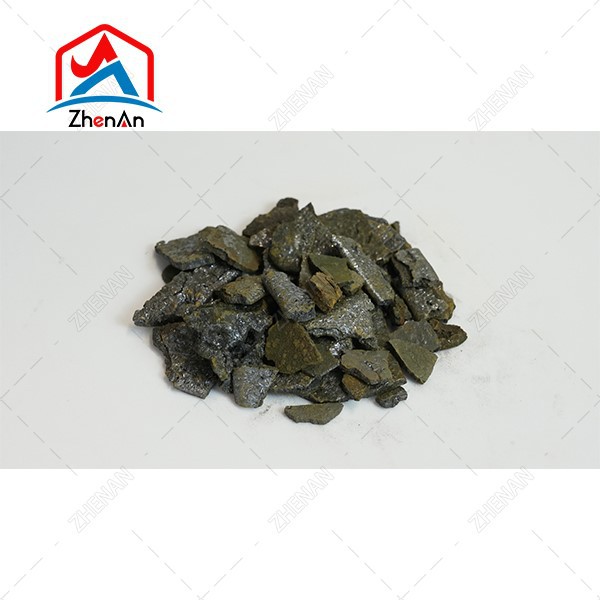
How do V₂O₅ and MoO₃ differ in alloy design and steel performance engineering?
V₂O₅ (98–99.5%) vs MoO₃ (≥99%) | Grain Refinement vs High-Temperature Strengthening | Microalloying Strategy vs Thermal Stability Control
Vanadium Pentoxide (V₂O₅) and Molybdenum Oxide (MoO₃) are both critical metallurgical oxides, but they serve fundamentally different alloy design functions:
V₂O₅ is primarily used for grain refinement and precipitation strengthening via vanadium alloys
MoO₃ is used for high-temperature strength, hardenability, and thermal stability improvement
We supply:
V₂O₅ flake: 98%–99.5%
MoO₃ powder: ≥99%
Controlled impurity metallurgical grades
Industrial bulk packaging for alloy and steel producers
What is Vanadium Pentoxide vs Molybdenum Oxide in alloy production?
Vanadium Pentoxide (V₂O₅) is a vanadium source material used to produce ferrovanadium and vanadium nitride.
Molybdenum Oxide (MoO₃) is a molybdenum source material used to produce ferromolybdenum and molybdenum metal additions.
Key distinction:
V₂O₅ primarily controls grain structure; MoO₃ primarily controls thermal strength.
Typical specification comparison
| Parameter | V₂O₅ Flake | MoO₃ Powder |
|---|---|---|
| Main element | Vanadium (V) | Molybdenum (Mo) |
| Purity | 98–99.5% | ≥99% |
| Form | Flake / powder | Powder |
| Alloy route | FeV / VN production | FeMo production |
| Main function | Grain refinement | High-temp strengthening |
| Steel behavior impact | Strength + toughness | Heat resistance + hardenability |
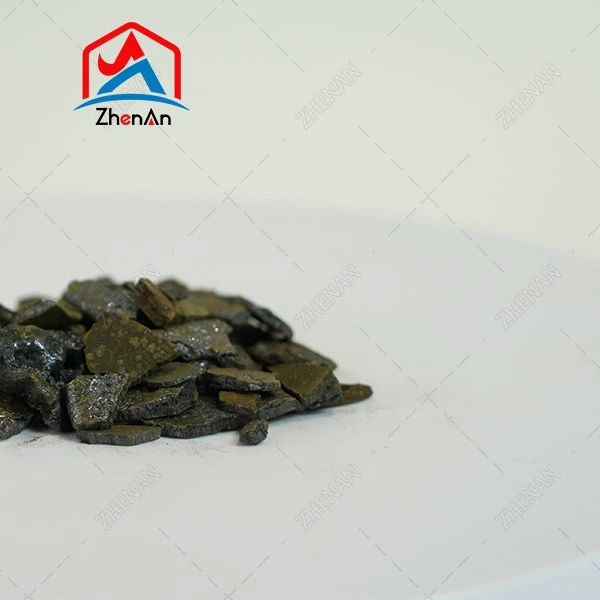
How V₂O₅ contributes to alloy strengthening
Vanadium from V₂O₅ contributes to steel through:
formation of vanadium carbides (VC)
precipitation strengthening
grain refinement in HSLA steels
Main effect:
increases yield strength while maintaining ductility
Typical applications:
rebar steel
structural steel
automotive HSLA steel
How MoO₃ improves alloy performance
Molybdenum from MoO₃ contributes to:
high-temperature strength retention
improved hardenability
resistance to temper softening
creep resistance in steels
Main effect:
maintains strength at elevated temperatures
Typical applications:
pressure vessels
pipeline steel
tool steel
heat-resistant alloys
V₂O₅ vs MoO₃ in alloy design strategy
Vanadium system (V₂O₅ route)
grain refinement dominant
precipitation strengthening
improves yield strength
cost-effective HSLA strengthening
Molybdenum system (MoO₃ route)
thermal stability dominant
improves hardness retention at heat
enhances corrosion + creep resistance
used in high-performance alloys
Which provides better high-temperature strength?
MoO₃ (via molybdenum) provides superior high-temperature strength.
Reason:
molybdenum stabilizes steel microstructure at elevated temperatures better than vanadium-based precipitates.
However:
V₂O₅ is more efficient for room-temperature strength improvement
Why are V₂O₅ and MoO₃ used in different alloy systems?
Because their metallurgical roles differ:
Vanadium controls grain structure and yield strength
Molybdenum controls thermal stability and hardness retention
Using both together allows:
balanced strength + heat resistance in advanced steels
Can vanadium and molybdenum be used together?
Yes, V + Mo alloy systems are widely used in:
high-grade tool steels
pipeline steels
aerospace alloys
Combined effect:
vanadium improves strength
molybdenum improves heat resistance
Result:
synergistic enhancement of mechanical performance
Cost and performance comparison
V₂O₅ system
lower alloy cost
high strengthening efficiency per unit V
widely used in mass steel production
MoO₃ system
higher cost
specialized performance enhancement
used in high-value steel grades
Conclusion
Vanadium Pentoxide Flake and Molybdenum Oxide are both essential alloy raw materials but serve different metallurgical functions:
V₂O₅ → grain refinement and yield strength improvement
MoO₃ → high-temperature strength and structural stability
Modern steel design often uses both to achieve:
balanced mechanical strength + thermal performance optimization.
FAQ
1. What is the main difference between V₂O₅ and MoO₃?
V₂O₅ improves grain structure, while MoO₃ improves high-temperature strength.
2. Which is better for strengthening steel?
V₂O₅ is better for yield strength, MoO₃ is better for heat resistance.
3. Can they replace each other?
No, they serve different metallurgical roles in alloy design.
4. Why is molybdenum used in high-temperature steel?
Because it stabilizes steel microstructure under thermal stress.
5. What is the role of vanadium in steel?
Vanadium forms carbides that refine grain structure and increase strength.
6. Can V and Mo be used together?
Yes, they are often combined in advanced alloy steels for balanced performance.
Contact for Metallurgical Raw Materials
We supply vanadium and molybdenum raw materials for global steel and alloy producers.
📧 Email: market@zanewmetal.com
📱 WhatsApp: +86 15518824805
Available materials:
Vanadium Pentoxide Flake (98–99.5%)
Molybdenum Oxide (≥99%)
Ferrovanadium (FeV40 / FeV80)
Ferromolybdenum raw materials
Customized particle sizing for alloy production
Bulk industrial export supply
Visit https://www.metal-alloy.com/ to learn more about the product. If you would like to learn more about the product price or are interested in purchasing, please email market@zanewmetal.com. We will get back to you as soon as we see your message.