


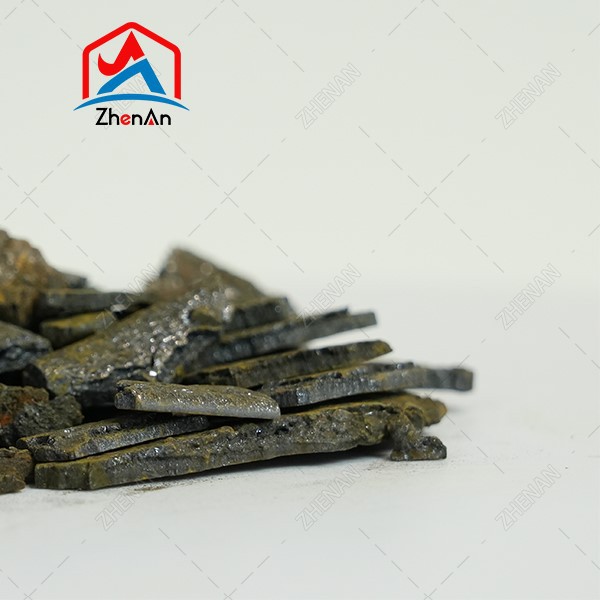
Why does V₂O₅ purity level matter in industrial and metallurgical applications?
High Purity V₂O₅ (≥99% / 99.5%) vs Technical Grade V₂O₅ (≈95–98%) | Catalyst Grade vs Metallurgical Feedstock | Efficiency, Impurity Control, and Process Stability
Vanadium Pentoxide (V₂O₅) is used across metallurgy, catalysts, ceramics, and chemical synthesis, but its performance depends strongly on purity level.
The key distinction is simple:
High purity grade = controlled impurities for sensitive applications
Technical grade = cost-optimized feedstock for ferroalloy production
We supply:
High purity V₂O₅: 99% / 99.5%
Technical grade V₂O₅: 95–98%
Controlled low Fe, Si, Al, Na impurities
Industrial flake form for reduction and processing systems
What is the difference between High Purity and Technical Grade V₂O₅?
High Purity V₂O₅ is designed for precision chemical and catalytic processes, while Technical Grade is optimized for large-scale metallurgical reduction into ferrovanadium and related alloys.
Key distinction:
purity determines whether V₂O₅ is used for chemical functionality or metal production efficiency.
Typical specifications comparison
| Parameter | High Purity V₂O₅ | Technical Grade V₂O₅ |
|---|---|---|
| V₂O₅ content | ≥99.0% / 99.5% | 95–98% |
| Fe impurity | ≤0.02–0.05% | ≤0.1–0.3% |
| Si impurity | ≤0.01–0.03% | ≤0.05–0.2% |
| Na / K content | Very low | Moderate |
| Application | Catalysts / chemicals | Ferrovanadium production |
| Reactivity control | High precision | Standard industrial |
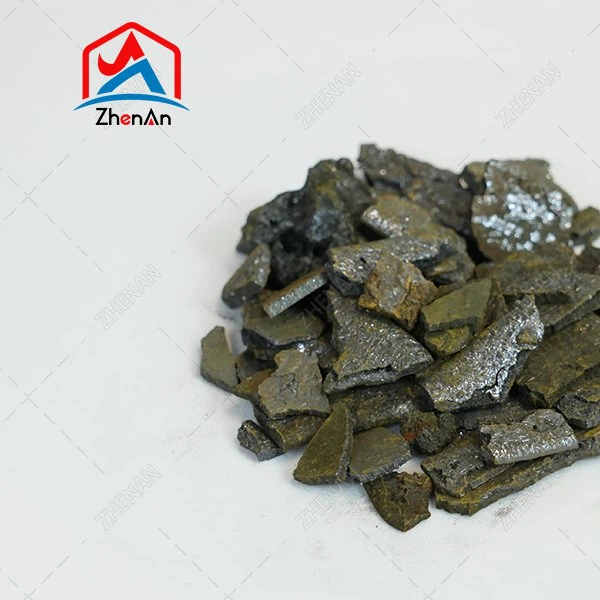
How purity level affects industrial performance
1. Reaction stability in chemical processes
High purity V₂O₅ ensures:
stable catalytic activity
predictable reaction kinetics
minimal side reactions
Technical grade may introduce:
inconsistent reaction behavior
impurity-driven catalyst poisoning in sensitive systems
2. Reduction efficiency in metallurgical processes
In ferrovanadium production:
impurities can reduce vanadium yield
higher Fe/Si content affects slag chemistry
inconsistent reduction kinetics may occur
High purity material improves:
more predictable reduction performance and cleaner alloy output
3. Product consistency in downstream alloys
Higher purity improves:
FeV composition stability
batch-to-batch uniformity
alloy recovery rate
Technical grade is acceptable where:
slight composition variation is tolerable
cost optimization is prioritized
Why is high purity V₂O₅ preferred for catalysts and chemicals?
High purity V₂O₅ is widely used in:
sulfuric acid catalysts
oxidation catalysts
fine chemical synthesis
Because:
trace metals can deactivate catalysts
sodium/potassium impurities reduce catalyst lifespan
consistency is critical for reaction control
Can technical grade V₂O₅ be used in metallurgy?
Yes. Technical grade V₂O₅ is widely used in:
ferrovanadium production
vanadium alloy manufacturing
large-scale industrial reduction processes
It is preferred because:
cost per ton is lower
impurities are tolerable in reduction routes
large volume processing is more economical
High Purity vs Technical Grade V₂O₅: industrial selection logic
High Purity V₂O₅
catalyst industry
chemical synthesis
precision applications
electronic-grade materials
Technical Grade V₂O₅
ferrovanadium production
steel alloy manufacturing
bulk metallurgical processes
Why impurity control is critical in V₂O₅ applications
Even small impurity variations can affect:
reduction yield in FeV production
slag behavior in smelting furnaces
catalyst lifetime in chemical plants
final alloy composition stability
This is why high purity grades are used in performance-critical environments.
Cost difference and production routes
Technical grade V₂O₅
simpler refining
higher yield from ore
lower production cost
bulk industrial output
High purity V₂O₅
multi-stage purification
impurity removal processes
higher energy and refining cost
lower impurity tolerance control
Conclusion
High Purity V₂O₅ and Technical Grade V₂O₅ serve fundamentally different industrial purposes:
High purity V₂O₅ is used where chemical precision and stability are critical
Technical grade V₂O₅ is used where large-scale metallurgical efficiency is prioritized
Selection depends entirely on whether the application is:
chemical performance-driven or metallurgy cost-driven.
FAQ
1. What is the main difference between high purity and technical grade V₂O₅?
High purity has lower impurities and is used in catalysts; technical grade is used in metallurgy.
2. How does purity affect performance?
Higher purity improves reaction stability and reduces unwanted side reactions or alloy inconsistencies.
3. What is the typical purity range of technical grade V₂O₅?
Usually around 95–98%, depending on production process and ore quality.
4. Why is high purity V₂O₅ used in catalysts?
Because impurities can poison catalysts and reduce reaction efficiency.
5. Can technical grade V₂O₅ be used in chemical industries?
Generally no, because impurity levels are too high for sensitive catalytic reactions.
6. Which grade is more cost-effective?
Technical grade is more cost-effective for large-scale metallurgical use.
Contact for Vanadium Materials Supply
We supply both high purity and technical grade vanadium pentoxide for global metallurgical and chemical industries.
📧 Email: market@zanewmetal.com
📱 WhatsApp: +86 15518824805
Available products:
High Purity V₂O₅ (99% / 99.5%)
Technical Grade V₂O₅ (95–98%)
Vanadium Nitride (VN)
Ferrovanadium (FeV40 / FeV80)
Customized particle and flake sizing
Bulk export for industrial applications
Visit https://www.metal-alloy.com/ to learn more about the product. If you would like to learn more about the product price or are interested in purchasing, please email market@zanewmetal.com. We will get back to you as soon as we see your message.