


What are the classifications of polysilicon?
China Manufacturer Supply 99.9999% Pure Si Silicon Granules Polysilicon Ingot with Cheap Price for Solar Panels
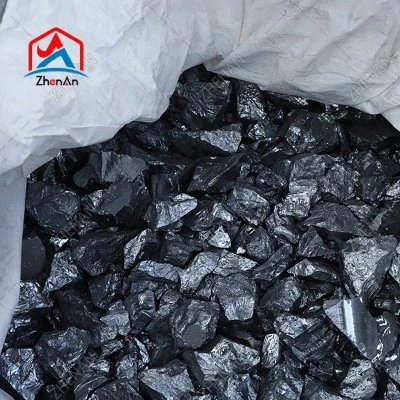
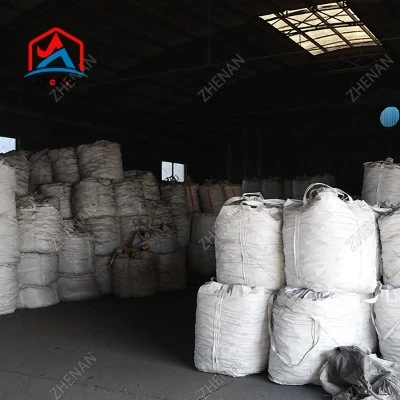
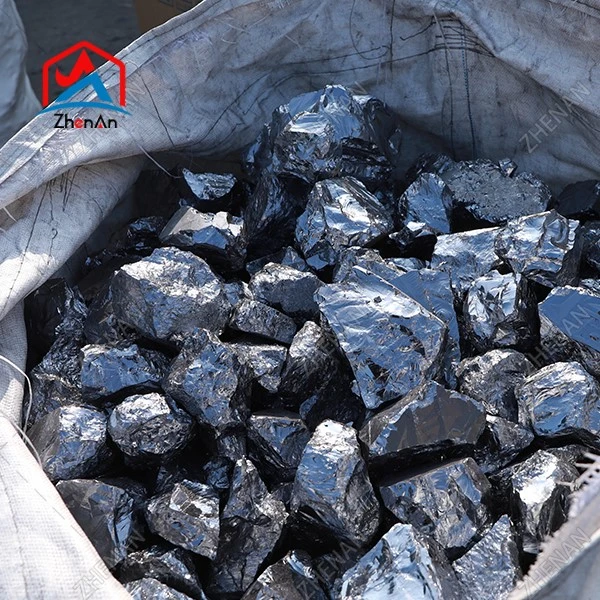
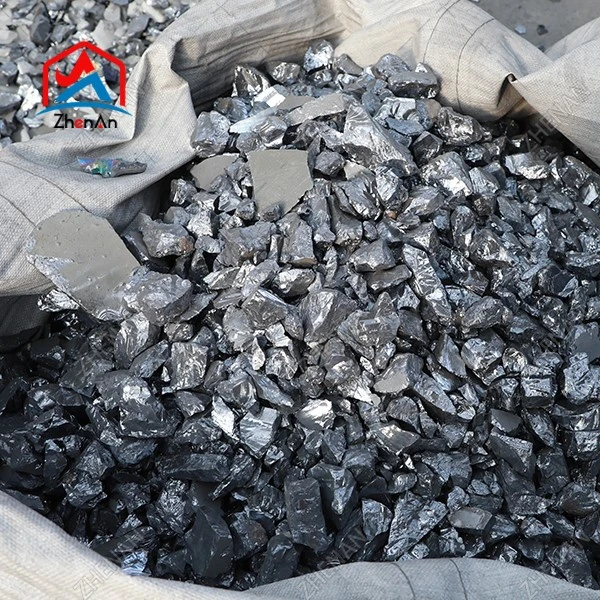
Polycrystalline silicon is mainly divided into two types: precision monocrystalline silicon and polycrystalline silicon.
1. Precision monocrystalline silicon:
Precision monocrystalline silicon refers to single crystal silicon materials prepared by growth through the Czochralski method or Float-zone method. It has very high crystal quality and low intracrystalline impurities, a uniform structure and excellent electrical properties, and is therefore widely used in solar cells, integrated circuits and other microelectronic devices. Due to its high cost, it is mainly used in high value-added applications.
2. Polysilicon:
Polysilicon is a polycrystalline silicon material prepared by gas phase mixing or other methods of growth. It consists of many small single-crystal particles, the crystal quality is slightly inferior to precision monocrystalline silicon, and contains more grain boundaries and intracrystalline impurities. Polycrystalline silicon is cheaper to produce and is therefore widely used in photovoltaics, semiconductors, and solar photovoltaics.
Among polysilicon, it can be subdivided into the following types:
a. Conventional polysilicon: Conventional polysilicon is a polysilicon material prepared by growth through the vapor phase mixing method and is usually used in the manufacture of ordinary photovoltaic cells. It is cheaper to produce, but the crystal quality is slightly inferior to precision monocrystalline silicon.
b. Sputtered polysilicon: sputtered polysilicon is a polysilicon material prepared under high temperature and pressure conditions. It has high electrical properties and low intracrystalline impurity content, and is suitable for the manufacture of high-efficiency solar cells.
c. Sprayed Polysilicon: Sprayed polysilicon is a material that uses spraying technology to prepare polysilicon films directly on glass or other substrates. It has low production cost, high production efficiency, and can be used in the manufacture of large-area solar cells and thin-film cells.
In general, polysilicon is mainly divided into three types: traditional polysilicon, sputtered polysilicon and sprayed polysilicon. Each of them has its own advantages and disadvantages and is suitable for different applications and technical requirements. With the continuous development and innovation of technology, polysilicon will be further improved and diversified to provide richer choices for the manufacture of optoelectronic devices.
Polysilicon price
| August 1st China's guiding price for solar-grade polysilicon | |||||
| name | Lowest Price | Highest Price | Average price | Rise and fall | unit |
| N type dense material | 45 | 50 | 47.5 | -- | Yuan/kg |
| N type mixed bag material | 43 | 48 | 45.5 | -- | Yuan/kg |
| N-type granular silicon | 44 | 45 | 44.5 | -- | Yuan/kg |
| P-type re-feeding | 33 | 34 | 33.5 | -- | Yuan/kg |
| P type dense material | 31 | 32 | 31.5 | -- | Yuan/kg |
| P-type cauliflower material | 29 | 30 | 29.5 | -- | Yuan/kg |
Visit https://www.metal-alloy.com/ to learn more about the product. If you would like to know more about the product price or are interested in purchasing, please send an email to market@zanewmetal.com. We will get back to you as soon as we see your message.