In global industrial commerce, silicon metal-frequently referred to as industrial silicon-serves as the primary elemental platform for high-performance metallurgy, polymer chemistry, and green energy technology. To streamline international trade and guarantee absolute mechanical and chemical reliability, the global market categorizes this material into distinct numerical grades. These classifications represent strict thresholds for trace metallic impurities like iron, aluminum, and calcium. As a premier global industrial silicon metal manufacturer export leader, ZhenAn delivers this exhaustive technical evaluation of standard industrial grades, mapping their chemical architecture against contemporary 2026 supply chain standards. Whether sourcing standard metallurgical silicon or premium high purity silicon metal, this guide provides structural data optimized for advanced industrial procurement.
For strategic contract allocations, direct factory audits, or instant cargo pricing, coordinate directly with our international logistics division:
Email: market@zanewmetal.com
WhatsApp/WeChat: +86 15518824805

What Is Silicon Metal and How Is It Defined Across Global Markets?
Industrial silicon metal is a high-density, crystalline metalloid material defined by a characteristic metallic luster and semi-conductive electrical properties. Registered under HS Code 2804.6900, this material is produced through the carbonothermic smelting of silica within complex submerged electrical arc furnaces. It is not traded as a single generic commodity; instead, it is classified into specialized sub-grades based on localized elemental purity.
The standard grading nomenclature uses a standardized three- or four-digit classification system. These numbers specify the maximum allowable percentages of the three dominant impurity elements: Iron (Fe), Aluminum (Al), and Calcium (Ca). The first digit indicates the maximum tenth-percentile of iron, the second digit represents the maximum tenth-percentile of aluminum, and the remaining digits specify the exact hundredth-percentile of calcium. For example, grade 553 denotes Fe ≤0.5%, Al ≤0.5%, and Ca ≤0.3%.
What Is the Smelting and Refining Process of Industrial Silicon Metal?
Manufacturing highly uniform silicon metal grades requires tight control over furnace thermodynamics and liquid-state refining techniques:
- Charge Loading and Thermal Reduction: Premium quartz ores with silica content exceeding 99.5% are blended with low-ash reductants, including charcoal, petroleum coke, and clean wood chips. This mixture is processed in a submerged arc furnace where graphite electrodes generate intense thermal energy up to 2000°C.
- Oxidation Refining inside the Ladle: The tapped molten silicon is treated inside an automated ladle system. Technicians inject compressed air and oxygen mixtures directly into the liquid bath. This selectively oxidizes trace calcium and aluminum impurities, converting them into a surface slag layer that is easily skimmed off.
- Crushing and Sizing Operations: The refined silicon is cast into large solid ingots. After cooling, it is processed through mechanical jaw crushers by a trusted silicon metal lump 10–100mm supplier, or milled into precise granules and fine powders to match specific industrial injection systems.
How Are the Common Silicon Metal Grades Categorized and Defined?
Global buying groups divide industrial silicon into distinct metallurgical and chemical categories based on the standard silicon 553 / 441 / 3303 / 2202 / 1101 grading system:
- Grade 553 (Standard Metallurgical Tier): Contains Fe ≤0.50%, Al ≤0.50%, and Ca ≤0.30%. This is the primary workhorse material utilized for high-volume silicon metal for aluminum alloy production.
- Grade 441 (Premium Metallurgical Tier): Restricts impurities to Fe ≤0.40%, Al ≤0.40%, and Ca ≤0.10%. The lower calcium content makes it highly valuable for structural automotive casting lines.
- Grade 3303 (Standard Chemical Tier): Imposes strict tolerances of Fe ≤0.30%, Al ≤0.30%, and Ca ≤0.03%. This represents a premier high purity silicon metal for silicone industry applications.
- Grade 2202 (High-Purity Specialty Tier): Features an ultra-clean profile with Fe ≤0.20%, Al ≤0.20%, and Ca ≤0.02%. This grade is reserved for premium structural alloys and silicon crystal growth.
- Grade 1101 (Ultra-Purity Semiconductor Feedstock): Delivers maximum purity with Fe ≤0.10%, Al ≤0.10%, and Ca ≤0.01%. This serves as an essential silicon metal for polysilicon industry operations and advanced solar cell manufacturing.
What Are the Comprehensive Technical Parameter Specifications for Silicon Metal Grades?
The technical data matrix below outlines the precise chemical compositions and primary application areas for standard industrial silicon metal grades, compliant with international 2026 verification frameworks:
| Standard Grade | Si Min (%) | Fe Max (%) | Al Max (%) | Ca Max (%) | Primary Industrial Market Segment |
|---|---|---|---|---|---|
| 553 | 98.5% | 0.50% | 0.50% | 0.30% | General utility foundry casting alloys, steel mill deoxidation, refractory bonding agents. |
| 441 | 99.1% | 0.40% | 0.40% | 0.10% | High-stress automotive castings, alloy wheels, critical structural chassis components. |
| 3303 | 99.37% | 0.30% | 0.30% | 0.03% | Silicone monomers, silane gases, cross-linked engineering fluids, synthetic rubbers. |
| 2202 | 99.58% | 0.20% | 0.20% | 0.02% | High-ductility aluminum-magnesium master batches, specialized aerospace hardware. |
| 1101 | 99.79% | 0.10% | 0.10% | 0.01% | Solar-grade polysilicon feedstock, monocrystalline wafer manufacturing, advanced electronics. |
How Does Silicon Metal Serve the Global Chemical Industry?
The chemical sector requires specific low-impurity grades to support complex catalytic synthesis. In silicon metal for silicone manufacturing, fine ground silicon metal powders are reacted with methyl chloride gas via the Rochow Direct Process. This synthesis generates methylchlorosilane monomers, which are polymerized into silicone fluids, structural sealants, medical elastomers, and thermal coatings.
Additionally, high-purity grades function as a vital metallurgical silicon feedstock for silane production systems. In these processes, the silicon is hydrochlorinated to produce trichlorosilane gas (SiHCl₃), a critical intermediate for synthetic quartz glass, fiber optics, and advanced electronic substrates.
What Are the Technical Roles of Silicon Metal in Metallurgical and Foundry Frameworks?
Within high-temperature casting and steelmaking, industrial silicon modifies physical properties through two main mechanisms:
- Alloy Conditioning in Aluminum Foundries: Utilizing metallurgical silicon metal for aluminum alloy casting establishes a stable binary eutectic configuration. This alters the alloy's thermodynamic freezing characteristics, lowering the liquidus threshold and increasing melt fluidity. Consequently, foundries can fill intricate, thin-walled die-cast molds with minimal risk of shrinkage porosity or hot tearing.
- Thermal Reinforcement in Refractory Systems: Fine silicon powder is utilized as a specialized additive in carbon-bonded refractory bricks and monolithic linings. Under high operating temperatures, the silicon particles react with carbon or nitrogen to form in-situ carbide or nitride structures. This reinforcing web blocks molten metal penetration and helps prevent thermal shock spalling in steel ladle linings.
How Do Metallurgical and Chemical Silicon Metal Tiers Compare Analytically?
Metallurgical and chemical silicon grades differ significantly in their purity profiles and production costs:
- Purity Tolerances: Metallurgical options (such as grades 553 and 441) focus primarily on macro-impurity controls, allowing iron and aluminum to remain near 0.4%–0.5%. Chemical and solar-grade variants require tighter specifications, restricting iron below 0.10% and minimizing trace elements like boron and phosphorus to the single-digit parts-per-million (ppm) level to prevent interference with electronic properties.
- Manufacturing Cost Profiles: Chemical and solar-grade feedstocks require selected low-impurity quartz deposits and intense, multi-stage refining procedures, leading to higher market prices. In contrast, metallurgical options use standard quartz ores and simplified refining processes, providing excellent cost efficiency for mass-volume aluminum alloy manufacturing.
Silicon Metal vs Ferrosilicon and FesiZr: What Are Their Unique Characteristics?
Procurement teams should distinguish pure industrial silicon from common master ferroalloys like ferrosilicon (FeSi) and ferrosilicon zirconium (FeSiZr). According to global metallurgical standards, these materials serve non-interchangeable functions:
- Elemental Profiles: Silicon metal is a high-purity single-substance commodity (Si ≥98.5%), engineered to minimize iron additions. Ferrosilicon is an intentional binary iron-silicon alloy (typically FeSi75, combining ~75% Si and ~25% Fe). Ferrosilicon Zirconium is a specialized multi-component inoculant alloy containing 2%–6% zirconium.
- Primary Applications: Pure silicon metal is required for non-ferrous aluminum castings and chemical synthesis lines where iron is considered a contaminant. Ferrosilicon functions primarily as a bulk deoxidizer and alloying agent in carbon steel production. Ferrosilicon Zirconium is utilized as an elite ladle inoculant in gray and ductile iron foundries to refine graphite flake morphology and eliminate hard chilling defects along thin sections.
The Strategic Procurement Guide for Sourcing Industrial Silicon Metal
To maintain high melt yields, safeguard downstream product quality, and satisfy strict environmental standards, ZhenAn's sourcing specialists recommend implementing the following quality controls:
- Align Material Sizing with Furnace Technology: When ordering from a silicon lump supplier, match the sizing to your charging equipment. Use standard 10–100mm lumps for heavy reverberatory furnaces to prevent premature oxidation loss. For automated continuous induction furnaces, select uniform granules or fine powders to ensure rapid dissolution and higher recovery rates.
- Require Certified Independent Chemical Mapping: Do not rely solely on generalized mill test certificates. Mandate third-party testing (such as SGS or CCIC) using optical emission spectroscopy (OES) to verify exact impurity maximums for every shipping lot before vessel departure.
- Assess Carbon Intensity and Environmental Credentials: Given changing international carbon tariffs, evaluate the energy footprint of your supply chain. Prioritize silicon metal supplier 553 441 3303 grade partners that leverage green electricity grids, and request verified ISO 14067 Product Carbon Footprint disclosures to mitigate cross-border regulatory risks.
Detailed FAQ: Critical Engineering Insights on Silicon Metal Grades
Q1: What are the common grades of silicon metal such as 553, 441, 3303, 2202, and 1101?
A1: Common grades of silicon metal represent specific commercial classifications used globally to define the chemical purity of industrial silicon. These grades include metallurgical options like 553 and 441, which are widely utilized across the non-ferrous foundry sector, and chemical-grade variants such as 3303, 2202, and 1101, which are engineered for advanced polymer chemistry, solar polysilicon refining, and microelectronics. Each grade is defined by strict maximum thresholds for trace metallic elements, allowing procurement managers to select the optimal material balance for their chemical or metallurgical processes.
Q2: What does each silicon metal grade (553, 441, 3303, 2202, 1101) represent?
A2: The numerical designation of each silicon metal grade directly details the maximum allowable percentages of its three main trace impurities: Iron (Fe), Aluminum (Al), and Calcium (Ca). The first digit denotes the maximum tenth-percentile of iron; the second digit indicates the maximum tenth-percentile of aluminum; and the final digits specify the maximum hundredth-percentile of calcium. For example, Grade 553 indicates a maximum of 0.50% Fe, 0.50% Al, and 0.30% Ca. Grade 441 restricts these to 0.40% Fe, 0.40% Al, and 0.10% Ca. Grade 3303 tightens the limits further to 0.30% Fe, 0.30% Al, and a low 0.03% Ca, providing a clear chemical profile for precise industrial applications.
Q3: How does silicon content differ among various silicon metal grades?
A3: Silicon content increases progressively as the impurity digits decrease within the grading system. Grade 553 represents the baseline metallurgical tier, delivering a minimum elemental silicon content of approximately 98.5%. Moving up the purity scale, Grade 441 provides a minimum silicon baseline of 99.1%. Standard chemical-grade 3303 yields a minimum of 99.37% pure silicon, while premium Grade 2202 reaches 99.58%. The highest standard industrial tier, Grade 1101, achieves a minimum purity of 99.79% elemental silicon, providing the necessary cleanliness for advanced chemical and electronic crystallization processes.
Q4: What are the main applications of different silicon metal grades in industry?
A4: The applications are strictly determined by the chemical purity of each grade. Grades 553 and 441 are primarily used in the automotive and aerospace casting industries for modifying aluminum alloys to produce lightweight components like engine housings and wheels. Grades 3303 and 2202 serve as critical feedstocks in the chemical sector for manufacturing silicone rubbers, structural sealants, and silane coupling agents. Grade 1101 is used primarily in the clean energy and semiconductor fields as the baseline raw material for manufacturing solar-grade polysilicon, photovoltaic cells, and high-purity electronic microchips.
Q5: Why is grade 553 widely used in aluminum alloy production?
A5: Grade 553 is widely used because it balances technical performance with raw material cost efficiency. Aluminum casting alloys (such as the standard A380 or A356 series) naturally tolerate iron and aluminum inclusions up to specific engineering thresholds; in fact, controlled iron levels help prevent die-sticking during high-pressure casting. Sourcing an ultra-pure chemical grade for standard casting would increase production costs without providing mechanical advantages. Grade 553 delivers the necessary silicon to optimize melt fluidity and reduce shrinkage defects while matching the commercial requirements of high-volume foundries.
Q6: Which silicon metal grades are suitable for chemical and silicone applications?
A6: The chemical and silicone synthesis industries require low-calcium chemical grades, specifically 3303 and 2202. In silicone monomer manufacturing via the Rochow Direct Process, calcium impurities must be strictly limited because they can form low-melting intermetallic compounds that cause fluid bed agglomeration. Using a grade like 3303, which restricts calcium to ≤0.03%, ensures stable gas-solid fluidization, maintains high catalytic selectivity, and prevents premature deactivation of the copper catalyst beds used during silane synthesis.
Q7: How do impurity levels vary between different silicon metal grades?
A7: Impurity levels decrease significantly across the grading spectrum. Iron drops from a maximum of 0.50% in grade 553 down to 0.10% in grade 1101, which helps prevent the formation of brittle intermetallic needle structures in sensitive alloy matrices. Aluminum is reduced from 0.50% down to 0.10%, allowing precise control over alloy formulations. Calcium shows the most significant reduction, decreasing from 0.30% in grade 553 to less than 0.01% in grade 1101, which is necessary to prevent structural defects and maintain process stability in advanced chemical reactors.
Q8: How should buyers choose the right silicon metal grade for their application?
A8: Buyers should choose a silicon metal grade by evaluating three main factors:
1. Downstream Quality Constraints: Foundries producing standard structural castings can utilize economical grade 553, while plants manufacturing premium automotive components should select grade 441 to limit calcium inclusions. Silicone chemical lines require low-calcium grade 3303 or 2202 to avoid reactor fouling.
2. Furnace Technology and Sizing: Work with a certified silicon metal lump 10–100mm supplier to select large lumps for deep-bath reverberatory furnaces to minimize burn-off loss, or choose uniform granules for continuous induction furnace injection.
3. Total Chemical Tracking: For advanced solar or chemical applications, verify trace elements beyond the standard three digits-including parts-per-million limits on boron, phosphorus, and titanium-to ensure full compatibility with your manufacturing processes.
Visit https://www.metal-alloy.com/ to learn more about the product. If you would like to learn more about the product price or are interested in purchasing, please email market@zanewmetal.com. We will get back to you as soon as we see your message.
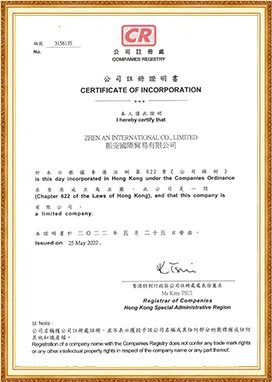
ZhenAn Metallurgy & New Materials Certificates