Across the landscape of advanced manufacturing, high-purity silicon metal acts as a foundational element that drives the progress of clean energy, cross-linked polymers, automotive lightweighting, and microelectronics. Functioning as an indispensable industrial building block, its unique semi-conductive, thermal, and chemical binding attributes make it highly valuable to modern supply chains. As an authoritative global supply partner, ZhenAn presents this technical intelligence brief detailing the multi-industry landscape of industrial silicon application, mapped against current 2026 quality benchmarks and purity requirements. From high-capacity chemical reactors to precision high-temperature foundries, our material ensures continuous yield efficiency and strict elemental conformity.
For large-scale technical procurement, custom grain configuration, or direct spot pricing quotes, connect with our global dispatch center:
Email: market@zanewmetal.com
WhatsApp/WeChat: +86 15518824805
What Is High-Purity Silicon Metal and How Is It Industrially Classified?
In global commodity markets, high-purity chemical raw material silicon metal is an elemental metalloid (sub-element Si) produced via the rigorous high-temperature carbonothermic reduction of premium low-impurity quartz. To meet the demanding benchmarks of high-tech manufacturing, these materials are processed to remove tramp metallic inclusions, yielding overall silicon purities ranging from 98.5% up to 99.99% for metallurgical and chemical baselines, and exceeding 9N (99.9999999%) for advanced electronics.
Rather than treating silicon as a singular commodity, global enterprise procurement frameworks partition the material into tightly regulated chemical and metallurgical tiers. These divisions are strictly defined by the residual parts-per-million (ppm) or percentage thresholds of iron (Fe), aluminum (Al), and calcium (Ca), which directly govern the material's compatibility with downstream catalytic synthesis or thermal crystallization matrices.
What Is the Modern Refinement Process for High-Purity Industrial Silicon Metal?
Achieving stable, high-grade silicon requires an intricate thermodynamic sequence conducted within highly controlled manufacturing ecosystems:
- Raw Material Sorting and Carbon Balancing: Selected crystalline quartz veins (SiO₂ > 99.7%) are calculated and mixed with custom wood chips, petroleum coke, and low-ash coal to maintain maximum structural gas permeability inside the furnace bed.
- Submerged Arc Furnace Smelting: Multi-megawatt graphite electrodes supply intense electrical currents, raising core temperatures to 1900°C–2100°C. The carbonaceous agents strip oxygen molecules from the silica, producing liquid elemental silicon:
SiO₂ + 2C → Si + 2CO↑ - Advanced Slag and Gas Refining: The liquid silicon is tapped into pre-heated ladle cells where continuous bottom-blowing of oxygen and synthetic fluxes purges the matrix of aluminum and calcium, upgrading the bath to premium 99.5% silicon metal thresholds.
- Precision Milling and Environmental Packaging: Once solidified, the silicon ingots are mechanically broken and milled down into standard sizing configurations-such as 10–100mm lumps, granular fractions, or highly reactive fine powders-packaged securely to prevent moisture absorption and surface oxidation.
How Are Silicon Metal Grades Parsed and Specified Across Global Supply Chains?
The standard grading nomenclature utilizes a standardized three-digit designation detailing the maximum allowable tenths or hundredths of a percent of iron, aluminum, and calcium. Selecting the proper grade directly ensures product quality and process reliability:
Grade 553 (Silicon 553 Grade Spec)
Represents Fe ≤0.50%, Al ≤0.50%, and Ca ≤0.30%. This is the standard industrial baseline grade utilized globally across foundational non-ferrous casting networks.
Grade 441 (Silicon Metal 441 Composition)
Represents Fe ≤0.40%, Al ≤0.40%, and Ca ≤0.10%. This tighter purity profile makes it highly sought after for high-stress automotive component foundries.

Grade 3303 (High Purity Silicon Grade 3303)
Represents Fe ≤0.30%, Al ≤0.30%, and Ca ≤0.03%. This highly refined low-calcium commodity serves as a premier starting material for solar-energy polysilicon precursors.
Grade 2202 (Low Iron Silicon Metal)
Represents Fe ≤0.20%, Al ≤0.20%, and Ca ≤0.02%. This ultra-pure grade is critical for manufacturing advanced structural master batches and micro-die casting configurations.
What Are the Primary Technical Specifications and Quality Metrics of Silicon Metal?
The technical index below maps the standard chemical profiles and size requirements governing international high-purity silicon distribution, ensuring full compliance with current 2026 industrial purchasing protocols:
| Industrial Grade | Si Purity (Min %) | Fe Max (%) | Al Max (%) | Ca Max (%) | Primary Industry Sourcing Sizing |
|---|---|---|---|---|---|
| 553 | 98.5% | 0.50% | 0.50% | 0.30% | 10–100mm Solid Lumps |
| 441 | 99.1% | 0.40% | 0.40% | 0.10% | 10–50mm Small Granules |
| 421 | 99.3% | 0.40% | 0.20% | 0.10% | 30–150 Mesh Fine Powders |
| 3303 | 99.37% | 0.30% | 0.30% | 0.03% | 10–60mm Sized Aggregates |
| 2202 | 99.58% | 0.20% | 0.20% | 0.02% | Custom Uniform Briquettes |
How Does High-Purity Silicon Metal Drive Global Silicone and Chemical Manufacturing?
Within the chemical sector, high-purity silicon serves as the absolute baseline silicone feedstock silicon metal. The conversion process relies heavily on Rochow direct synthesis, where highly reactive silicon powders are fluidized and combined with methyl chloride gas under copper catalysis to yield chlorosilane intermediates. These critical compounds undergo extensive hydrolysis and curing to formulate the wide market of structural silicone rubbers, synthetic architectural sealants, and high-performance lubricants.
Simultaneously, the material acts as a fundamental chemical precursor for silane production silicon feedstock systems, synthesized directly to generate pure trichlorosilane and silane gases (SiH₄). These specialized gases are thermal-cracked inside highly controlled deposition chambers to manufacture thin-film coatings, ultra-pure synthetic quartz glasses, and advanced cross-linking agents that bond organic polymers to inorganic substrates.
What Are the Crucial Functions of Silicon Metal in Metallurgical and Foundry Industries?
In traditional pyrometallurgical engineering, industrial silicon functions as a highly potent silicon reducing agent metallurgy component and alloy strengthener across two primary sectors:
1.
Structural Modification for Aluminum Alloy Production:
Adding silicon for aluminum alloy processing transforms the base metal's fluid mechanics. Dissolving 4.5% to 13% silicon forms a stable eutectic blend, dropping the liquidus melting point and maximizing the melt's overall fluidity. This allows foundry technicians to cast intricate, complex geometric profiles with near-zero risks of hot tearing or shrinkage defects, establishing the foundation for modern lightweight automotive components and aerospace castings.

2.
Structural Reinforcement for the Refractory Industry:
Operating as a critical silicon additive refractory element, fine silicon metal powders are embedded into advanced carbon-composite bricks, castables, and kiln structures. Under hot working temperatures, the silicon particles react with environmental nitrogen or carbon, forming in-situ silicon nitride (Si₃N₄) or silicon carbide (SiC) whiskers. This reinforcing web blocks slag penetration, minimizes thermal shock fracturing, and maximizes the operating lifespan of high-temperature metallurgical furnaces.

How Do Polysilicon and Chemical Silicon Specifications Contrast Across Industrial Sectors?
While chemical-grade silicon and solar-grade precursors look virtually identical to the naked eye, their internal chemical architectures and impurity tolerances belong to completely different industrial standardizations:
- Extreme Purity Multipliers: Standard chemical silicon (e.g., Grade 421) operates efficiently at 99% overall purity, focusing primarily on controlling macro-impurities like calcium to prevent reactor bed agglomeration. Conversely, polysilicon production feedstocks demand an elite solar grade silicon feedstock with a baseline purity of at least 99.9% (3N) to 99.99% (4N), requiring stringent tracking of ultra-trace boron and phosphorus elements down to the single-digit ppm or ppb level.
- Catalytic Selectivity vs Semiconductor Efficiency: In silicone manufacturing, impurity control is targeted at preventing catalyst coking and maintaining fluid bed selectivity. In the solar industry, trace boron and phosphorus function as active electrical dopants; if left un-refined in the raw solar silicon material, they trap moving electrons within the final photovoltaic wafer, causing severe light-induced degradation and ruining solar module power generation efficiency.
Silicon Metal vs Ferrosilicon and FesiZr: What Are Their Strategic Differences?
Procurement teams frequently fail to differentiate pure industrial silicon from widely traded master ferroalloys like ferrosilicon (FeSi) and ferrosilicon zirconium (FeSiZr). According to global metallurgical frameworks, these materials occupy completely separate supply positions:
- Chemical Matrix Delimitation: Silicon metal is a specialized single-substance commodity (Si ≥98.5%) designed to introduce silicon without adding iron contamination. Ferrosilicon is a binary iron-silicon alloy (typically FeSi75, combining ~75% Si and ~25% Fe). Ferrosilicon Zirconium is an elite ternary ferroalloy combining iron and silicon with 2%–6% zirconium.
- Production Methods and Processing Costs: Silicon metal requires high-grade quartz and clean carbon reductants processed under demanding furnace thermal parameters, resulting in elevated production costs. Ferrosilicon blends scrap steel shavings and iron ore directly into standard quartz, yielding lower energy intensities and significantly cheaper commercial market pricing.
- Primary Industrial Targets: High-purity silicon metal supplies high-performance silicone manufacturing lines and precision non-ferrous aluminum castings. Ferrosilicon operates as a mass-volume steelmaking deoxidizer. Ferrosilicon Zirconium functions as an elite micro-alloying inoculant and nodulizer in high-strength gray and ductile iron foundries, specifically engineered to refine graphite flake morphology and eliminate hard chilling defects along thin casting profiles.
The Enterprise Procurement Guide for Sourcing Industrial Silicon Metal
To secure long-term raw material stability, minimize logistical disruptions, and guarantee strict product compliance, ZhenAn's corporate procurement strategists recommend implementing the following quality controls:
- Mandate Comprehensive Independent Lot Analysis: Never accept generic or averaged mill test certificates. Contractual frameworks must require independent, third-party laboratories (e.g., SGS, CCIC) to perform high-resolution optical emission spectroscopy (OES) or inductively coupled plasma mass spectrometry (ICP-MS) tests on every shipping lot before vessel loading.
- Enforce Rigid Size Distribution Parameters: Sizing non-conformity can disrupt production. When buying material for a foundry industry furnace or chemical reactor, specify the exact allowable percentages for oversized lumps and undersized fines. Excessive fine dust not only increases oxidation burn-off loss during melting but can also pose severe dust explosion hazards during mechanical material handling.
- Audit Carbon Intensity and Green Energy Compliance: As carbon border adjustment mechanisms expand globally, high-energy commodities face shifting tariff scales based on their environmental footprints. Prioritize silicon metal manufacturers operating on certified green electricity grids (such as regional hydropower or wind-solar arrays) and request verified carbon footprint disclosures to mitigate cross-border regulatory risks.
Detailed FAQ: Key Technical Insights on Silicon Metal Industrial Applications
Q1: Which industries use high-purity silicon metal as a raw material?
A1: High-purity silicon metal is utilized across a diverse spectrum of high-technology and structural manufacturing industries. The primary consuming sector is silicone manufacturing, which transforms silicon into an extensive range of fluids, elastomers, and resins for medical, automotive, and construction uses. The global solar industry and microelectronics sector rely on it as the foundational solar grade silicon feedstock to produce high-efficiency photovoltaic panels and semiconductor wafers. Additionally, the automotive and aerospace foundry industry utilizes it for modifying aluminum alloys to cast lightweight engine and chassis components, while the refractory industry integrates fine silicon powder to boost the thermal shock resistance of high-temperature furnace linings.
Q2: Why is high-purity silicon metal important in electronics and semiconductors?
A2: In microelectronics, high-purity silicon metal serves as the non-negotiable starting material for creating the crystalline silicon ingots that form modern microchips. Silicon possesses an ideal atomic structure and electronic energy bandgap, enabling it to act as a highly controllable semiconductor. Through chemical gasification and multi-stage zone refining, industrial silicon is upgraded to electronic-grade polysilicon exceeding 9N-11N purity. This material is grown into monocrystalline Czochralski ingots and sliced into ultra-flat wafers. Any trace metallic impurities left in the silicon would cause electrical current leakage and destroy the nanoscale transistor circuits etched onto the chip.
Q3: How is silicon metal used in photovoltaic and solar energy industries?
A3: Silicon metal acts as the raw precursor for manufacturing solar-grade polysilicon, which converts sunlight into electrical energy via the photovoltaic effect. Fine silicon metal is reacted with hydrogen chloride gas to synthesize trichlorosilane (TCS). This gas is purified via multi-stage fractional distillation and deposited inside high-temperature reactors using the Siemens process or Fluidized Bed Reactor (FBR) technologies to yield solar-grade polysilicon chunks or granules. These are subsequently melted and crystallized into p-type or n-type solar wafers, forming the active core of residential, commercial, and utility-scale solar panels worldwide.
Q4: What role does silicon metal play in chemical and silicone manufacturing?
A4: In chemical processing, silicon metal serves as the active solid substrate in the Rochow Direct Process to manufacture organosilicon compounds. Finely ground silicon powder is combined with methyl chloride gas in a gas-solid fluidized bed reactor under precise copper catalysis at temperatures around 300°C. This chemical reaction yields dimethyldichlorosilane along with other vital silane intermediates. These monomers undergo distillation, hydrolysis, and polymerization to form silicone polymers. These polymers provide exceptional thermal stability, UV resistance, and dielectric properties, serving as structural sealants, medical-grade tubings, EV thermal potting compounds, and industrial defoamers.
Q5: How is silicon metal used in aluminum alloy and foundry industries?
A5: Silicon metal is used as a critical alloying element in aluminum alloy production to dramatically improve the castability and mechanical performance of the metal. Adding silicon to aluminum forms a near-eutectic or eutectic mixture that lowers the liquidus melting point, reduces the solidification temperature window, and maximizes fluid flow. This allows molten aluminum to fill complex, thin-walled die-cast molds with exceptional precision. Because silicon expands slightly upon solidification, it directly offsets aluminum's natural contraction, reducing internal shrinkage porosity, eliminating hot tearing cracks, and significantly enhancing the wear resistance, hardness, and dimensional stability of the finished castings.
Q6: Why do different industries require different silicon metal purity levels?
A6: Different industries require varied purity levels because the underlying chemical and physical mechanics of their manufacturing processes respond differently to trace elements. The aluminum foundry industry can operate efficiently with metallurgical grades like 553 or 441 (98.5%–99.1% purity) because macro-impurities like iron actually help prevent die-sticking during high-pressure casting. The silicone chemical sector requires a cleaner silicone feedstock silicon metal (such as grade 421 or 411) to ensure consistent catalytic reactions without deactivating the copper catalyst bed. Meanwhile, the solar and semiconductor sectors require extreme purity (99.99% to 99.9999999%) because even parts-per-billion levels of foreign metallic elements disrupt electron flow and degrade electrical conversion efficiency.
Q7: How does impurity control affect silicon metal performance across industries?
A7: Strict impurity control directly dictates the yield and operational stability of downstream processes. In silane gas production and silicone synthesis, excessive trace iron and carbon act as catalyst poisons, triggering side reactions that generate unwanted carbon black and low-value byproducts, which plug fluid beds and accelerate catalyst deactivation. In aluminum casting, excessive calcium concentrations create low-melting inclusion films that compromise the tensile elongation and fracture toughness of structural components. In the solar industry, failing to control boron and phosphorus levels alters the target resistivity of the semiconductor wafer, causing severe light-induced power degradation in the field.
Q8: What are the key specifications for high-purity silicon metal in industrial applications?
A8: The essential parameters for industrial applications involve a balance of exact chemical composition, rigid size distribution, and tight micro-element management. Chemically, procurement contracts mandate explicit percentage caps on iron, aluminum, and calcium, alongside ppm-level limits for trace elements like titanium, phosphorus, boron, and carbon. Physically, the material must conform to strict particle size distribution metrics-such as 10–100mm lumps for bulk melting furnaces, 1–5mm granules for specialized continuous alloy feeding, or 30–150 mesh powders for chemical fluid beds. These specifications prevent material segregation, minimize oxidation burn-off loss, and optimize reaction kinetic rates.
Visit https://www.metal-alloy.com/ to learn more about the product. If you would like to learn more about the product price or are interested in purchasing, please email market@zanewmetal.com. We will get back to you as soon as we see your message.
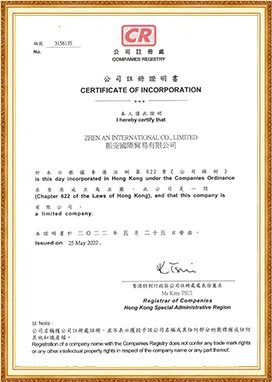
ZhenAn Metallurgy & New Materials Certificates