What is the price of silico manganese per kg?
| Today's Zambian silicon manganese market price |
| product |
Specification |
price |
unit |
rise and fall |
| silicon manganese |
6516 |
900-905 |
USD/ton |
-- |
What is the price of silicon manganese?
| Today's price of ferrosilicon manganese in India |
| product |
Specification |
Price (excluding tax) |
unit |
Price Explanation |
Country/Region |
| silicon manganese |
6014 |
69500-70000 |
Rupee/ton |
Factory |
Durgapur |
| silicon manganese |
6014 |
69500-70000 |
Rupee/ton |
Factory |
Raipur |
What is the price of silico manganese per kg?
| Today's silicon manganese market summary |
| Brand |
area |
Daily price (RMB/ton) |
rise and fall |
| 6517# |
Guizhou |
5600-5650 |
-- |
| Guangxi |
5600-5650 |
-- |
| Yunnan |
5600-5650 |
-- |
| Gansu |
5500-5550 |
-- |
| Shanxi |
5550 |
-- |
| Inner Mongolia |
5600-5660 |
-- |
| Ningxia |
5500-5550 |
-- |
| Shaanxi |
5500-5550 |
-- |
| Anyang, Henan |
-- |
-- |
| 6014# |
Southern prices including tax |
5100 |
-- |
| 6028# |
Inner Mongolia |
6400-6500 |
-- |
| Ningxia |
6400-6500 |
-- |
What is Silico Manganese Used For?
Industrial Applications of Silico Manganese
Silico manganese (SiMn) is an alloy composed primarily of manganese (Mn), silicon (Si), and iron (Fe), typically containing around 60–70% Mn, 14–30% Si, and the balance iron. It serves as a crucial additive in steelmaking processes.
|
|
|
|
|
Acts as a deoxidizer and desulfurizer during molten steel processing.
|
|
|
Enhances strength, toughness, and hardenability of steel.
|
|
Manufacturing of Stainless Steel
|
Contributes to corrosion resistance and structural integrity.
|
|
|
Improves mechanical properties like tensile strength.
|
Industrial Applications of Silico Manganese
Primarily, silico manganese is used in the manufacture of high-strength low-alloy (HSLA) steels and other carbon steels. During the steelmaking process, oxygen must be removed from molten iron to produce quality steel. SiMn effectively removes oxygen due to silicon's strong affinity with oxygen, forming silica. Simultaneously, it introduces manganese, which aids in deoxidation and enhances the final product's mechanical characteristics.
Moreover, silico manganese improves steel's rolling and forging qualities. In producing rebar or structural frameworks, the presence of manganese ensures better weldability and durability under stress. The alloy also contributes to grain refinement, promoting uniformity in the finished metal structure. As environmental regulations become stricter, the efficiency of SiMn in reducing impurities gains more attention, making it a sustainable choice in metallurgy. Additionally, it finds limited use in producing certain non-ferrous alloys and welding electrodes. Overall, silico manganese is indispensable in modern metallurgical practices due to its multifunctional role in enhancing both chemical and physical properties of steel.

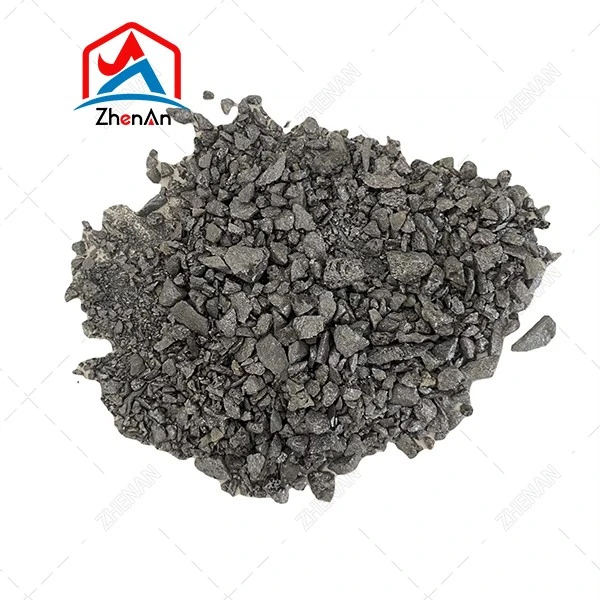
Understanding the Composition and Nature of Manganese Silicon
Manganese silicon, commonly referred to as silico manganese (SiMn), is a ferroalloy that combines manganese and silicon in specific proportions. This alloy plays a vital role in metallurgy, especially in steel production, due to its dual-element composition.
|
|
|
|
|
|
|
|
|
|
|
|
|
|
|
|
|
Lump or granular solid, metallic gray
|
The term "manganese silicon" essentially defines the same material as silico manganese; the naming varies based on regional or industrial preferences. Its unique elemental combination provides synergistic benefits in steelmaking. Silicon acts as a powerful deoxidizer, while manganese enhances the steel's strength, toughness, and resistance to impact.
Manufactured through carbothermic reduction in electric arc furnaces or blast furnaces using manganese ores, quartz (as a silicon source), and iron sources, this alloy is produced globally, particularly in India, China, and South Africa. Its reactivity at high temperatures makes it suitable for addition into ladles during secondary steel refining.
Due to its ability to simultaneously introduce two essential alloying elements, manganese silicon reduces the need for multiple additives, streamlining operations. Furthermore, it minimizes slag formation and optimizes yield. The alloy is subject to compositional grading based on Mn and Si content, influencing its pricing and application suitability. Thus, manganese silicon is not just a raw material but a functional agent ensuring efficiency and quality in metallurgical industries.
Functional Uses of Silicon Magnesium in Metallurgy and Alloys
Silicon magnesium (SiMg), often called nodulizers, is an alloy mainly composed of silicon and magnesium, used predominantly in the treatment of cast iron to produce ductile or spheroidal graphite iron.
|
|
|
|
|
Encourages graphite to form nodules, improving ductility.
|
|
|
Refines grain structure, prevents chill formation.
|
|
|
Enhances machinability and tensile strength.
|
|
|
Used where high strength and flexibility are needed.
|
Inoculants like SiMg modify the morphology of graphite flakes in gray iron into spherical shapes, drastically transforming mechanical behavior. The spherical graphite structure enables higher elasticity and tensile strength, making the material ideal for manufacturing complex automotive parts, pipes, and heavy machinery components.
Magnesium's role in SiMg is critical-it alters the graphite crystallization pattern during solidification. Typically comprising 4–25% Mg and 45–60% Si, the remainder includes iron and trace rare earth elements. The alloy is added during the late stages of molten iron treatment to prevent oxidation and ensure proper dispersion.
Apart from metallurgy, silicon magnesium is used in certain welding rods and specialized non-ferrous alloys requiring controlled microstructure. Care must be taken during handling due to magnesium's flammability at elevated temperatures. Protective atmospheres or coatings are employed during addition to mitigate risks.
Its use results in castings that resist deformation, endure thermal cycling, and perform reliably under mechanical stress. With growing emphasis on lightweight yet strong materials in engineering sectors, silicon magnesium continues to underpin innovation in foundry technologies and performance casting solutions.
Comparative Analysis of Two Vital Ferroalloys
Ferro silicon (FeSi) and silicon manganese (SiMn) are both ferroalloys used in steelmaking, but they differ in composition, function, and application areas.
|
|
|
|
|
|
|
Mn (60–70%), Si (14–30%), Fe
|
|
|
|
Deoxidizer + Alloying agent
|
|
|
|
|
|
|
Carbothermic reduction of quartz with coke
|
Reduction of Mn ore, quartz, iron in EAF
|
|
|
|
Higher due to Mn ore cost
|
|
|
Increases fluidity, lowers carbon
|
Boosts strength, hardenability
|
Ferro silicon is rich in silicon and contains minimal manganese. It is primarily used to remove oxygen from molten steel and to add silicon content, improving electrical resistivity and magnetic permeability. It is common in producing electrical steels and transformer laminations.
In contrast, silicon manganese offers a dual advantage. Besides deoxidation, it introduces manganese, a vital element that enhances steel's toughness, hardenability, and wear resistance. SiMn is preferred in structural and high-strength steel grades where simultaneous Mn and Si introduction is beneficial.
While both alloys serve deoxidizing roles, SiMn replaces the need for adding manganese and silicon separately, optimizing cost-efficiency and process control. Their distinct compositions tailor them to different metallurgical needs-Ferro silicon for softness and conductivity; silicon manganese for robustness and resilience. Understanding these differences helps metallurgists select the appropriate alloy for desired steel characteristics.
Visit https://www.metal-alloy.com/ to learn more about the product. If you would like to learn more about the product price or are interested in purchasing, please email market@zanewmetal.com. We will get back to you as soon as we see your message.
Get a Quote Today
🏭 Why Choose ZhenAn
All our products support any third-party inspection.
With 30 years of experience, we have extensive expertise in exporting ferrovanadium and silicon carbide to Europe.
Our considerable stock ensures short delivery times, and we offer flexible payment options, including TT/LC.
MOQ and sample: Negotiable
Service Team
We are your best and most reliable choice:
1. Professional and timely pre-sales consulting team
2. One-to-one after-sales support team
3. Professional manufacturing team
4. Butler-style after-sales service team


