


Ferrochrome Price, Oct 26, 2026: All Grades Flat Across China
Ferrochrome prices in China were unchanged on Oct 26, 2026. Every grade in the quotation set below - high-carbon FeCr50C7.5, medium-carbon FeCr55C2.0, low-carbon FeCr55C0.25, and the two micro-carbon grades FeCr55C0.10 and FeCr55C0.06 - quoted at the same level as on Oct 23, 2026, in every region listed. No grade and no region moved up or down on the day, and the whole table carries a flat change mark against the previous session.
Current Ferrochrome Price
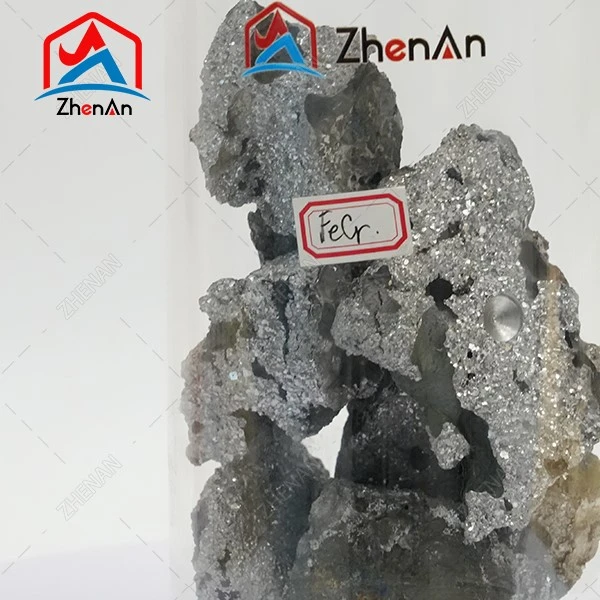
Table 1. High-carbon ferrochrome FeCr50C7.5 price by region, Oct 26, 2026 (CNY/mt)
Basis: 50% Cr, cash ex-works, tax included.
| Region | Price (CNY/mt) |
|---|---|
| North China | 7450–7600 |
| Southwest China | 7700–7750 |
| Northwest China | 7500–7550 |
| Northeast China | 7700–7750 |
| Central China | 7700–7750 |
| Shanghai | 7800–7850 |
| Shandong | 7750–7800 |
Table 2. Medium-carbon, low-carbon and micro-carbon ferrochrome price by grade and region, Oct 26, 2026 (CNY/mt)
Basis: 60% Cr, cash ex-works, tax included.
| Grade | Carbon content | Region | Price (CNY/mt) |
|---|---|---|---|
| FeCr55C2.0 (medium carbon) | 2.0% C | Sichuan | 12000–12100 |
| FeCr55C2.0 (medium carbon) | 2.0% C | Henan | 12000–12100 |
| FeCr55C2.0 (medium carbon) | 2.0% C | Inner Mongolia | 12000–12100 |
| FeCr55C2.0 (medium carbon) | 2.0% C | Guangxi | 12000–12100 |
| FeCr55C0.25 (low carbon) | 0.25% C | Sichuan | 12700 |
| FeCr55C0.25 (low carbon) | 0.25% C | Jiangsu | 13000–13100 |
| FeCr55C0.25 (low carbon) | 0.25% C | Shanxi | 12500–12600 |
| FeCr55C0.25 (low carbon) | 0.25% C | Inner Mongolia | 12500 |
| FeCr55C0.10 (micro carbon) | 0.10% C | Sichuan | 12900 |
| FeCr55C0.10 (micro carbon) | 0.10% C | Jiangsu | 13200–13300 |
| FeCr55C0.10 (micro carbon) | 0.10% C | Shanxi | 12700–12800 |
| FeCr55C0.10 (micro carbon) | 0.10% C | Inner Mongolia | 12700 |
| FeCr55C0.06 (micro carbon) | 0.06% C | Sichuan | 13200 |
| FeCr55C0.06 (micro carbon) | 0.06% C | Jiangsu | 13400–13500 |
| FeCr55C0.06 (micro carbon) | 0.06% C | Shanxi | 12900–13000 |
| FeCr55C0.06 (micro carbon) | 0.06% C | Inner Mongolia | 12900 |
Note: All figures are quoted in CNY per metric ton (CNY/mt), cash ex-works and tax included. High-carbon FeCr50C7.5 is priced on a 50% chromium basis; medium-carbon, low-carbon and micro-carbon grades are priced on a 60% chromium basis, and the low-carbon and micro-carbon grades in Table 2 cover the 52% to 60% chromium band. A single figure marks a point quotation in the source table, while a range marks the spread quoted within that region. Prices are for reference when comparing offers and are not a substitute for a signed contract price.
Ferrochrome Price Trend vs Previous
Measured against the previous quotation on Oct 23, 2026, the whole table is flat. All seven high-carbon regions - North China, Southwest China, Northwest China, Northeast China, Central China, Shanghai and Shandong - kept the same price band they carried on Oct 23, 2026. The four medium-carbon regions of Sichuan, Henan, Inner Mongolia and Guangxi also held, each staying inside 12000–12100 CNY/mt. The low-carbon FeCr55C0.25 grade held in Sichuan, Jiangsu, Shanxi and Inner Mongolia, and both micro-carbon grades, FeCr55C0.10 and FeCr55C0.06, held in the same four regions.
In other words, the day produced no gain and no loss anywhere in the set: five grades, twenty-three regional quotations, all marked flat. For buyers, a flat session means the comparison you did on Oct 23, 2026 is still the right comparison today, and the ranking between regions has not been reshuffled by a one-day move.
Grade and Market Context
Ferrochrome sits at the front of the stainless and alloy steel chain, and the grade you buy decides both the carbon level going into the furnace and the pricing basis you have to compare. The four families in the table above are separated mainly by carbon content, and that single variable drives the price gap between them.
High-carbon ferrochrome, quoted here as FeCr50C7.5, carries roughly 7.5% carbon with chromium in the 50% region and is the workhorse charge material for carbon and low-alloy steelmaking as well as for stainless steel melts where carbon pickup can be handled downstream. It is quoted on a 50% chromium basis, which is why its figures sit far below the other three families. Our high carbon ferrochrome product page sets out the specification range we supply for this family.
Medium-carbon FeCr55C2.0 brings carbon down to 2.0% and is quoted on a 60% chromium basis. Low-carbon FeCr55C0.25 goes to 0.25% carbon, and the two micro-carbon grades, FeCr55C0.10 and FeCr55C0.06, go to 0.10% and 0.06%. All three of these are priced on the 60% chromium basis and cover the 52% to 60% chromium band. The lower the carbon, the more refining energy and processing the producer has to spend, and the wider the step up in price. Low-carbon and micro-carbon grades are the normal choice where the finished steel has to hold a low carbon ceiling, so they suit stainless and special steel routes rather than general steelmaking; the low carbon ferrochrome used in steelmaking page covers where this grade fits in the melt shop.
The basis difference matters more than most buyers expect. A 60% chromium basis quotation describes a unit containing more chromium than a 50% basis quotation, so the two numbers cannot be put side by side without adjusting for the chromium they carry. Every medium, low and micro quotation in Table 2 is already on the 60% basis, so those can be compared directly with one another; the high-carbon column is the one that needs the basis adjustment before it can be lined up against them. For buyers who run cored wire injection rather than bulk charging, the nitrided ferro chrome cored wire page describes a different delivery route for the same alloy family.
Regional structure this session is simple to read. For high-carbon material, North China carries the lowest band at 7450–7600 CNY/mt, Shanghai the highest at 7800–7850 CNY/mt, and the three regions of Southwest China, Northeast China and Central China all sit together at 7700–7750 CNY/mt, with Northwest China at 7500–7550 CNY/mt and Shandong at 7750–7800 CNY/mt. For medium carbon, all four regions quote the same 12000–12100 CNY/mt, so region makes no difference to the offer at all. In the low-carbon and micro-carbon families the gaps reopen: Jiangsu is the highest quotation point in each of the three rows, while Sichuan and Inner Mongolia sit at the lower end, and Shanxi sits between them. That pattern reflects production location and freight rather than any difference in the specification being quoted.
High-Carbon vs Medium-Carbon vs Low/Micro-Carbon Ferrochrome
The table below puts the four families side by side on the dimensions that decide a purchase. Every price figure is taken from the quotation tables above for Oct 26, 2026.
| Dimension | High-carbon FeCr50C7.5 | Medium-carbon FeCr55C2.0 | Low-carbon FeCr55C0.25 | Micro-carbon FeCr55C0.10 / C0.06 |
|---|---|---|---|---|
| Carbon content | About 7.5% C | 2.0% C | 0.25% C | 0.10% C and 0.06% C |
| Grade designation | FeCr50C7.5 | FeCr55C2.0 | FeCr55C0.25 | FeCr55C0.10, FeCr55C0.06 |
| Chromium basis for pricing | 50% Cr basis | 60% Cr basis | 60% Cr basis, 52%–60% Cr band | 60% Cr basis, 52%–60% Cr band |
| Price range on Oct 26, 2026 | 7450–7850 CNY/mt across seven regions | 12000–12100 CNY/mt across four regions | 12500–13100 CNY/mt across four regions | 12700–13300 CNY/mt (C0.10); 12900–13500 CNY/mt (C0.06) |
| Regions quoted | North, Southwest, Northwest, Northeast, Central China, Shanghai, Shandong | Sichuan, Henan, Inner Mongolia, Guangxi | Sichuan, Jiangsu, Shanxi, Inner Mongolia | Sichuan, Jiangsu, Shanxi, Inner Mongolia |
| Prevailing regional high | Shanghai, 7800–7850 CNY/mt | No regional gap, all four equal | Jiangsu, 13000–13100 CNY/mt | Jiangsu, 13200–13300 and 13400–13500 CNY/mt |
| Typical application | Bulk charge for carbon, low-alloy and stainless steelmaking | Steelmaking and casting where a moderate carbon ceiling applies | Stainless and low-carbon steel routes with a tight carbon ceiling | Special and stainless steel where the carbon limit is the tightest |
| Day-on-day change | Flat | Flat | Flat | Flat |
The practical read is straightforward. Moving from high carbon to medium carbon lifts the quotation by a wide margin, and moving on to low carbon and then micro carbon lifts it again, because each step removes carbon that has to be taken out in the furnace. Within a family, the differences between regions are small compared with the differences between families, which is why grade selection usually matters more than region selection when a buyer is working to a carbon specification.
What Buyers Should Check Before Ordering Ferrochrome
A flat price session does not remove the need to check the details of an offer. Before confirming an order on Oct 26, 2026 pricing, these are the points worth running through:
- Confirm the pricing basis. A quotation is only comparable once you know whether it is on a 50% or a 60% chromium basis. Ask the supplier to state the basis in writing, and convert to one basis before comparing two offers. The FeCr50C7.5 column in Table 1 and the three lower-carbon families in Table 2 are not on the same basis.
- Confirm the price type and delivery term. The figures here are cash ex-works and tax included. An offer quoted on a delivered basis, on credit terms, or excluding tax is a different number and should not be matched against this table without adjustment.
- Confirm the carbon and chromium specification, not only the grade name. Low-carbon and micro-carbon grades cover a chromium band of 52% to 60%, so two offers under the same grade name can differ in actual chromium content. Put the target carbon and chromium figures in the purchase order.
- Confirm the size and form. Lump, and the size fraction you need for your furnace or for cored wire injection, affect recovery and price. State the size range explicitly rather than leaving it to the supplier's default.
- Confirm the quotation date. A price is only valid for the session it was quoted in. Ask how long the offer holds, since the standing level can be revised at the next quotation.
- Confirm the quantity and lot structure. Whether the volume ships as one lot or several affects freight and inspection cost, and should be settled before the price is fixed.
FAQ
How do I choose between high-carbon, medium-carbon, low-carbon and micro-carbon ferrochrome?
Start from the carbon ceiling of the steel you are making, then work back to the alloy. High-carbon FeCr50C7.5 carries about 7.5% carbon and suits bulk charging in carbon, low-alloy and stainless steelmaking where carbon pickup can be handled later in the process. Medium-carbon FeCr55C2.0 at 2.0% carbon fits steelmaking and casting with a moderate carbon limit. Low-carbon FeCr55C0.25 at 0.25% carbon, and the micro-carbon grades FeCr55C0.10 and FeCr55C0.06 at 0.10% and 0.06% carbon, are the choices where the finished steel has to hold a tight carbon ceiling. Choosing a lower-carbon grade than the specification needs adds cost without benefit, and choosing a higher-carbon grade can cost more in downstream refining than it saves on the alloy.
How does the 50% chromium basis differ from the 60% chromium basis when comparing quotations?
A 50% basis quotation and a 60% basis quotation describe different amounts of chromium in the same tonnage, so the two figures are not directly comparable. A 60% basis ton contains 1.2 times the chromium of a 50% basis ton, which means a 50% basis price has to be scaled up by that ratio before it can be set against a 60% basis price. In the tables above, the high-carbon FeCr50C7.5 family is on the 50% basis while the medium, low and micro carbon families are all on the 60% basis, so the three lower-carbon families can be compared with each other directly and the high-carbon family cannot. Ask the supplier to state the basis on the quotation itself, and make the adjustment once, before comparing offers.
Why do ferrochrome prices differ between regions on the same day?
Region affects an offer through production location, freight and local supply balance rather than through specification. In the Oct 26, 2026 table, high-carbon FeCr50C7.5 runs from 7450–7600 CNY/mt in North China to 7800–7850 CNY/mt in Shanghai, with Southwest China, Northeast China and Central China all quoted at 7700–7750 CNY/mt. Medium-carbon FeCr55C2.0 shows no regional gap at all, with Sichuan, Henan, Inner Mongolia and Guangxi all at 12000–12100 CNY/mt. In the low-carbon and micro-carbon rows the spread returns, with Jiangsu the highest quotation point and Sichuan and Inner Mongolia at the lower end. A buyer comparing regions should weigh the price gap against freight and lead time, because a lower ex-works figure in a distant region can cost more once delivery is added.
What should I confirm with the supplier before placing an order?
Confirm five things in writing: the grade and its exact carbon and chromium specification, the pricing basis of 50% or 60% chromium, the price type and delivery term, the size fraction and form, and how long the quotation holds. The figures in this article are cash ex-works prices with tax included, quoted for Oct 26, 2026, so an offer on different terms should be converted before it is compared. It also helps to state the quantity and lot structure at the same time, since freight and inspection costs depend on it. Putting these points into the purchase order, rather than leaving them in an email thread, avoids most disputes that arise after the price has been fixed.
Key Takeaways
- Ferrochrome prices in China were flat on Oct 26, 2026 across all five grades and all twenty-three regional quotations in this set, with no increase or decrease against Oct 23, 2026.
- High-carbon FeCr50C7.5 on a 50% chromium basis ran from 7450–7600 CNY/mt in North China to 7800–7850 CNY/mt in Shanghai, with Southwest China, Northeast China and Central China all at 7700–7750 CNY/mt, Northwest China at 7500–7550 CNY/mt and Shandong at 7750–7800 CNY/mt.
- Medium-carbon FeCr55C2.0 on a 60% chromium basis was uniform at 12000–12100 CNY/mt in Sichuan, Henan, Inner Mongolia and Guangxi, with no regional gap at all.
- Low-carbon FeCr55C0.25 ranged from 12500 CNY/mt in Inner Mongolia to 13000–13100 CNY/mt in Jiangsu; micro-carbon FeCr55C0.10 from 12700 CNY/mt in Inner Mongolia to 13200–13300 CNY/mt in Jiangsu; micro-carbon FeCr55C0.06 from 12900 CNY/mt in Inner Mongolia to 13400–13500 CNY/mt in Jiangsu.
- All figures are cash ex-works, tax included; the high-carbon family is on a 50% chromium basis and the other three on a 60% basis, so the two groups must be put on one basis before any price comparison.
- With the session flat, the grading and comparison work a buyer did on Oct 23, 2026 still stands, and the practical task is confirming basis, specification, size and quotation validity rather than chasing a moving number.
Get Your Tailored Quotation
Send us the grade, the carbon and chromium specification, the size fraction and the quantity you need, and we will come back with an offer built around your furnace and your delivery terms rather than a single published band. For the fastest reply, message us on WhatsApp: +86 15518824805 or write to Email: market@zanewmetal.com.