


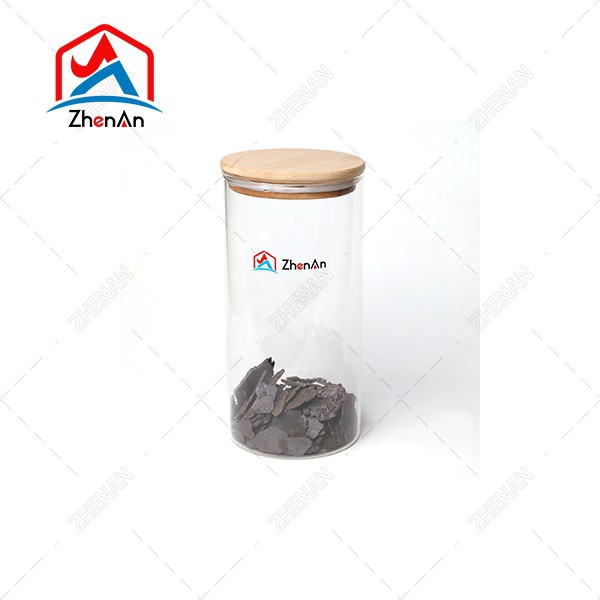
How do V₂O₅ flake and vanadium nitride differ in modern steel production?
V₂O₅ Flake (98–99.5%) vs Vanadium Nitride (VN 77–81% V) | Raw Material vs Direct Alloying Route | HSLA Steel Strength Optimization
Vanadium Pentoxide (V₂O₅) flake and Vanadium Nitride (VN) are both key vanadium sources in steelmaking, but they operate in completely different metallurgical pathways.
V₂O₅ is primarily a primary raw material for ferrovanadium production
Vanadium nitride is a direct microalloying additive used in steel furnaces
We supply:
V₂O₅ flake: V₂O₅ ≥ 98% / 99%
Vanadium nitride: V 77–81%, N 6–10%
Controlled particle size for steelmaking injection systems
Bulk industrial packaging for ferroalloy plants and steel mills
What is Vanadium Pentoxide (V₂O₅) flake in steelmaking?
Vanadium Pentoxide flake is the primary industrial vanadium intermediate used to produce:
ferrovanadium (FeV)
vanadium alloys
vanadium metal products
It is NOT typically added directly into steel.
Main role:
Chemical precursor for vanadium reduction processes in alloy production.
Key function:
Vanadium extraction feedstock
Oxide-based vanadium source
Raw material for FeV80 production route
What is Vanadium Nitride (VN) in steelmaking?
Vanadium Nitride is a direct steel microalloying additive used in EAF and LF processes.
It directly contributes:
vanadium (V)
nitrogen (N)
into molten steel.
Main role:
Direct grain refinement + precipitation strengthening in HSLA steels.
Typical use:
rebar steel
high-strength structural steel
automotive HSLA steel
welding wire steel
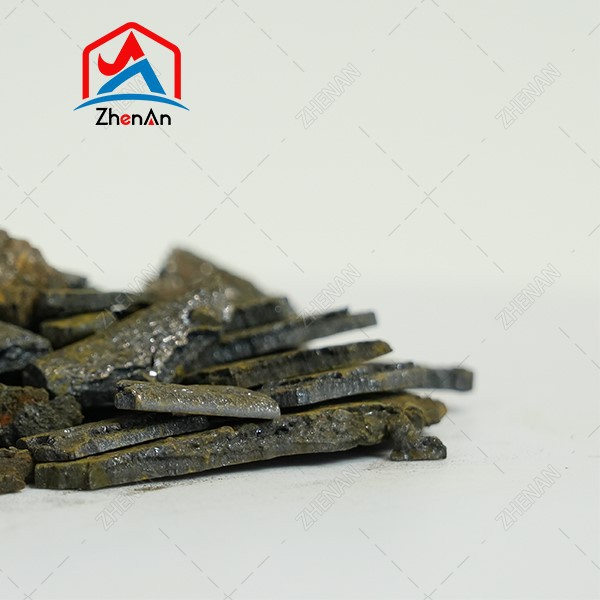
Technical specification comparison
| Parameter | V₂O₅ Flake | Vanadium Nitride |
|---|---|---|
| Vanadium content | 98–99.5% V₂O₅ | 77–81% V |
| Nitrogen | 0% | 6–10% |
| Form | Flake / powder | Granular / powder |
| Function | Raw material | Direct alloy additive |
| Process route | Reduction → FeV | Direct furnace addition |
| Application stage | Ferroalloy production | Steelmaking microalloying |
How V₂O₅ flake works in steelmaking supply chain
V₂O₅ does NOT enter steel directly.
It follows this route:
V₂O₅ → reduction process → FeV80 → steelmaking addition
Key characteristics:
energy-intensive conversion step
used by ferrovanadium manufacturers
provides flexibility in alloy production
How Vanadium Nitride works in steelmaking
Vanadium Nitride is added directly into molten steel.
It provides:
fine grain refinement (VN precipitation)
improved yield strength
enhanced hardenability
stable nitrogen-assisted strengthening
Because it bypasses the FeV conversion stage, it improves:
vanadium utilization efficiency in steel plants
V₂O₅ Flake vs Vanadium Nitride in HSLA steel production
V₂O₅ Flake
Indirect use via FeV production
Flexible supply chain material
Higher processing steps required
Used upstream in ferroalloy industry
Vanadium Nitride
Direct steel additive
Higher vanadium utilization efficiency
Better strengthening per unit V
Preferred in modern HSLA optimization
V₂O₅ vs VN: industrial decision logic
Steel industry selection depends on production stage:
Ferroalloy producers prefer V₂O₅
Because they produce:
FeV
vanadium alloys
refined vanadium products
Steel mills prefer VN
Because they want:
direct strengthening
fewer processing steps
higher alloy efficiency
Why Vanadium Nitride is preferred for microalloying
Vanadium Nitride is preferred because:
Nitrogen stabilizes vanadium precipitates
Improves yield strength efficiency
Reduces vanadium loss in slag
Enhances grain refinement effect
Result:
stronger steel at lower alloy consumption rate
Which product provides better strengthening effect?
V₂O₅ → indirect strengthening (via FeV route)
VN → direct precipitation strengthening in steel matrix
Therefore:
VN provides higher efficiency in direct HSLA steel strengthening
Cost and efficiency trade-off
V₂O₅ flake
Lower raw material cost
Higher processing cost downstream
Used in centralized alloy production
Vanadium Nitride
Higher unit price
Higher utilization efficiency
Lower total steelmaking cost per ton
Conclusion
Vanadium Pentoxide Flake and Vanadium Nitride serve fundamentally different roles in steelmaking:
V₂O₅ is a primary raw material for vanadium alloy production
VN is a direct microalloying strengthening additive for HSLA steels
Modern steel industry trend shows:
upstream integration of V₂O₅ into FeV production, and downstream efficiency optimization using VN in steel mills.
FAQ
1. What is the main difference between V₂O₅ and vanadium nitride?
V₂O₅ is a raw material, while VN is a direct steel alloying additive.
They belong to different stages of the vanadium value chain.
2. Which one is used directly in steelmaking?
Vanadium nitride is used directly in steelmaking.
V₂O₅ is used upstream for ferrovanadium production.
3. Why is V₂O₅ not added directly into steel?
Because it must first be reduced into metallic vanadium or ferrovanadium before becoming usable in steel.
4. What is the advantage of vanadium nitride?
It provides higher vanadium utilization efficiency and stronger precipitation strengthening effects.
5. Which is better for HSLA steel?
Vanadium nitride is generally better due to direct strengthening and higher efficiency.
6. Does V₂O₅ affect steel strength directly?
No, it contributes indirectly through the ferrovanadium production route.
Contact for Vanadium Materials Supply
We supply both upstream and downstream vanadium materials for global steel and ferroalloy industries.
📧 Email: market@zanewmetal.com
📱 WhatsApp: +86 15518824805
Available products:
Vanadium Pentoxide Flake (98–99.5%)
Vanadium Nitride (VN 77–81%)
Ferrovanadium (FeV40 / FeV80)
Custom particle sizing for injection systems
Bulk export supply for steel mills and alloy plants
Visit https://www.metal-alloy.com/ to learn more about the product. If you would like to learn more about the product price or are interested in purchasing, please email market@zanewmetal.com. We will get back to you as soon as we see your message.