Ferrosilicon Guide: Production, Grades, Testing Methods, Applications and Export Compliance

What Is Ferrosilicon (Silicon Iron) and Why Is It Important in Steelmaking?
Ferrosilicon is an alloy of iron and silicon produced by reducing silica (SiO₂) with coke and iron sources in an electric arc furnace. It is primarily used as:
• A deoxidizer in steelmaking to remove oxygen from molten steel
• An alloying element to improve strength, hardness, and corrosion resistance
• A nucleating agent in cast iron production to improve graphite formation
• A reducing agent in magnesium and other ferroalloy production
Because oxygen contamination significantly reduces steel quality, ferrosilicon plays a foundational role in ensuring mechanical strength and structural stability in final steel products.
How Is Ferrosilicon Produced in Industrial Electric Arc Furnaces?
Industrial ferrosilicon is produced through a high-temperature carbothermic reduction process:
Main raw materials:
Quartz (SiO₂), iron scrap or iron ore, coke or coal as reducing agent
Production process steps:
1. Raw material batching and mixing
2. Feeding into submerged electric arc furnace
3. High-temperature reduction at 1800°C–2000°C
4. Formation of molten FeSi alloy
5. Cooling, solidification, and crushing into lumps or granules
6. Screening into required particle sizes
Process control is essential to reduce impurities and ensure stable silicon content, especially for FeSi72 and FeSi75 grades used in steel export markets.
What Are Common Ferrosilicon Grades Like FeSi72 and FeSi75?
Ferrosilicon grades are defined by silicon content and impurity limits:
FeSi72: ~72% silicon content, widely used in steelmaking deoxidation
FeSi75: ~75% silicon content, higher purity and stronger deoxidation performance
Low-grade FeSi (45%–65%): used in casting and non-critical applications
Higher silicon content improves deoxidation efficiency but requires stricter production control and higher energy input.
What Are Ferrosilicon Testing Methods to Ensure Quality and Purity?
Quality testing is essential for international ferrosilicon trade. Key testing methods include:
Chemical Composition Analysis:
Spectrometry (ICP-OES or XRF) is used to measure Si, Fe, Al, C, S, and P content.
Particle Size Distribution Testing:
Sieving analysis ensures compliance with customer requirements (10–50mm, 1–3mm, 200 mesh powder).
Density and Bulk Density Testing:
Ensures proper feeding behavior in steelmaking furnaces.
Metallographic Inspection:
Evaluates internal structure and impurity distribution.
Slag Inclusion Analysis:
Detects non-metallic inclusions affecting steel quality.
Modern suppliers use standardized QC systems aligned with ISO 9001 and third-party laboratories such as SGS or BV.

What Applications Does Ferrosilicon Have in Metallurgy and Chemical Industry?
Ferrosilicon is widely used across multiple industrial sectors:
Steelmaking Industry:
Used as a deoxidizer and alloying element in carbon steel, stainless steel, and special steels.
Foundry Industry:
Improves graphite precipitation in cast iron, enhancing strength and machinability.
Magnesium Production:
Acts as a reducing agent in Pidgeon process for magnesium extraction.
Chemical Industry:
Used in producing silicon-based compounds and as a raw material in chemical synthesis.
How Do Ferrosilicon Grades Compare With Other Deoxidizers?
Compared with other deoxidizers such as manganese and aluminum, ferrosilicon offers balanced cost and performance:
• More stable than aluminum in large-scale steelmaking
• More cost-efficient than high-purity silicon alloys
• Better nucleation control than manganese-based deoxidizers
It is often used in combination with other ferroalloys to optimize steel composition and performance.

What Certifications Are Required for Ferrosilicon Export?
International ferrosilicon trade requires compliance with strict certification standards:
ISO 9001 Quality Management System: Ensures stable production and process control
SGS / BV Third-Party Inspection: Confirms chemical composition and physical properties
REACH Compliance (EU Market): Required for chemical safety regulation in Europe
MSDS (Material Safety Data Sheet): Provides safety handling and transport information
COA (Certificate of Analysis): Includes batch-specific chemical composition data
These certifications are critical for customs clearance, buyer trust, and long-term supply contracts in global markets.
How to Choose a Reliable Ferrosilicon Supplier for International Trade?
A qualified supplier should meet both technical and commercial requirements:
• Stable silicon content control (±1% deviation or less)
• Consistent particle size distribution
• Transparent testing reports (SGS / COA)
• Export experience with EU, US, and Middle East markets
• Flexible packaging (jumbo bags, steel drums, palletized export)
Suppliers with integrated production and testing systems can better ensure batch consistency and reduce downstream steelmaking risk.
FAQ
What is ferrosilicon mainly used for?
Ferrosilicon is mainly used as a deoxidizer in steelmaking and as an alloying agent to improve steel strength, hardness, and corrosion resistance. It is also widely used in cast iron production and magnesium refining.
What is the difference between FeSi72 and FeSi75?
FeSi75 has higher silicon content (about 75%) than FeSi72, offering stronger deoxidation capability and better performance in high-grade steel production. FeSi72 is more cost-effective and widely used in general steelmaking.
How is ferrosilicon quality tested before shipment?
It is tested using spectrometric chemical analysis, particle size screening, density measurement, and third-party inspection (SGS or BV). Each batch is usually accompanied by a COA report.
Why is particle size important for ferrosilicon?
Particle size affects melting speed and reaction efficiency in steelmaking. Different applications require different sizes, such as lump (10–50mm) or powder (200 mesh).
What certifications are needed for exporting ferrosilicon?
Common export requirements include ISO 9001, SGS inspection, REACH compliance for Europe, MSDS documentation, and COA for each production batch.
Can ferrosilicon replace other deoxidizers?
In many cases, ferrosilicon is used alongside aluminum or manganese. It cannot fully replace them but provides a balanced and cost-efficient deoxidation performance.
What impurities are critical in ferrosilicon?
Aluminum (Al), carbon (C), sulfur (S), and phosphorus (P) are key impurities that must be strictly controlled, as they affect steel quality and mechanical properties.
Is ferrosilicon safe to transport internationally?
Yes, ferrosilicon is classified as a stable industrial material, but proper packaging, MSDS documentation, and labeling are required for safe transport.
What industries use ferrosilicon besides steelmaking?
It is also used in foundries, magnesium production, chemical manufacturing, and special alloy industries.
What packaging options are available for export?
Common packaging includes 1MT jumbo bags, 25kg small bags, steel drums, and palletized export packaging depending on buyer requirements.
Contact Information:
Email: market@zanewmetal.com
WhatsApp/WeChat: +86 15518824805
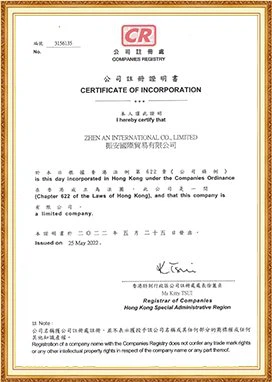
ZhenAn Metallurgy & New Materials Certificates